Share
Share Facebook
  Twitter
  LinkedIn
  Pinterest
  Email
Email 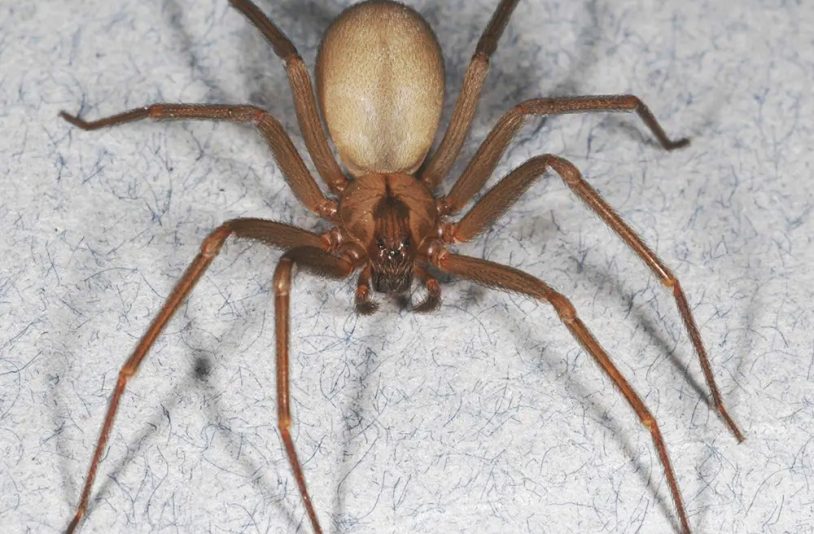
Brown recluse spiders are pests that can make anyone nervous. Just hearing their name might have you checking your shoes, your closets, or the dark corners of the basement. While they aren’t naturally aggressive, they can become a real problem if they move into your home.
The problem with brown recluse spiders is that they hide very well. They prefer quiet, untouched spots and usually come out at night. This means you might not notice them until you find one unexpectedly or, even worse, wake up with a strange bite.
You can get rid of brown recluse spiders and reduce the chances of them coming back. Ready to learn some helpful tips? Keep reading!
Jump to Section [Hide]
What is a Brown Recluse Spider?
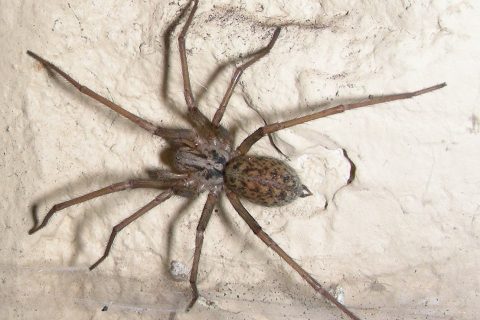
The brown recluse spider is small, with a violin-shaped marking on its back. It has six eyes in three pairs, unlike most spiders with eight. Its body length ranges from 0.39 to 0.59 inches, and it often appears pale tan or brown.
This spider hides in dark places and does not spin large webs. You might find their silk retreats near stored boxes or furniture. Brown recluses live mainly in the southern United States, especially Texas and Arkansas, but they avoid high elevations.
They can survive between 45°F and 110°F without much trouble.
Inspecting and Locating Problem Areas
Check your home and yard for spots where spiders can hide. Focus on dark corners, cracks, and cluttered areas. Spiders love those hiding places!
Common Indoor Hiding Spots
Brown recluse spiders hide in quiet, dark spaces. Closets, crawl spaces, and attics are common spots. Garages and basements also attract them if clutter is present. They love undisturbed areas with boxes or furniture piled up.
These spiders often build silk retreats in corners or on stored items like insulation or containers. Egg sacs may stick to these surfaces, too. They can even crawl into shoes, clothing, or bedding left out overnight.
Always check these items before use to avoid contact with the brown recluse spider’s mouthparts!
Outdoor Areas to Check
Check under woodpiles, rock piles, and leaf litter. These areas are dry and attract brown recluse spiders. Always tap or shake firewood before bringing it inside to avoid carrying spiders into your home.
Spiders also hide near building foundations, overhangs, and in outdoor debris. Reduce clutter, such as old logs or stacked materials, around your yard. Look for silk retreats or egg sacs in these spots, too.
7 Ways to Get Rid of Brown Recluse Spiders
Getting rid of brown recluse spiders takes effort and the right approach. Use simple methods to make your home less inviting for them.
1. Essential Oil Repellents
Use essential oils like lemon or eucalyptus for natural spider repellents. These can temporarily keep brown recluse spiders away, but don’t kill them. Mix a few drops with water, then spray it in corners, cracks, and crevices where spiders hide.
EcoSmart products use botanical oils and are safe around kids and pets. Reapply sprays often as their effects fade quickly. Use this method along with glue boards or other control techniques for better results.
2. Diatomaceous Earth Applications
Apply diatomaceous earth to cracks, crevices, and voids. It damages the spider’s exoskeleton and dehydrates it. This method is non-toxic and safe around kids and pets.
Use it in dry spots where spiders hide or travel. Spread a thin layer for the best results. If the powder gets wet, reapply it after cleaning. This works well as part of an integrated pest management plan but may not handle large infestations on its own.
3. Improve Sanitation
Clean up clutter in closets, garages, and storage areas. Spiders love hiding in these messy spots. Tape up boxes to block spiderlings from sneaking in.
Remove dead insects that attract spiders like the brown recluse. Vacuum floors often and shake out items before using them. Get rid of junk piles to leave spiders with fewer places to hide.
4. Vacuum Spiders, Egg Sacs, and Webs
Use a vacuum to remove spiders, egg sacs, and webs. Focus on cellars, attics, storage spaces, and behind furniture. These spots are favorite hiding places for brown recluse spiders.
Use vacuum attachments to clean cracks, corners, and under furniture.
Empty the vacuum bag right after use. This stops spiders from crawling back into your home. Vacuuming is safe around kids and pets because it uses no chemicals. Combine this method with sticky traps or other pest control steps for better results.
5. Apply Residual Insecticides
Spray residual insecticides on areas where brown recluse spiders hide. Focus on baseboards, closets, storage spaces, and cracks. Use products like Bifenthrin or Deltamethrin for the best results.
These sprays remain effective for up to 7 days on wood and 60 days on vinyl.
Apply them around exterior foundations and eaves, too. Follow the product instructions carefully to ensure safety. Only use insecticides labeled for spider control. For severe infestations, call a professional pest service to handle chemicals safely and thoroughly.
6. Use Dust Treatments in Wall Voids and Cracks
Dust treatments work well in hidden spaces. Use insecticide dusts such as DeltaDust or Tempo Dust in cracks, crevices, and wall voids. These products kill brown recluse spiders where they hide.
Apply the dust near utility pipes, under baseboards, and inside crawl spaces.
Encapsulated and waterproof options last longer in damp areas. Always use proper tools for even application and to avoid overexposure. Focus on targeted areas rather than large areas like attics for better results.
Follow label instructions carefully for safety and effectiveness.
7. Set Sticky Traps for Monitoring and Control
Place sticky traps in areas where spiders often walk. Good spots include closets, under furniture, and near wall cracks. These traps catch brown recluse spiders and help you monitor activity.
Check the traps regularly. Remove captured spiders to prevent breeding cycles. Replace old traps to keep them effective. Sticky traps are safe for kids and pets since they have no toxic chemicals.
Use these tools to spot hidden spider problems fast!
Preventing Brown Recluse Spiders from Returning
1. Seal Cracks, Gaps, and Entry Points
Block spider access by sealing cracks and gaps around windowsills, doors, and walls. Use caulk or proper sealants for tight closures. Pay attention to foundations and utility openings near the ground.
Check weather stripping on doors and windows. Fix damaged areas quickly to keep spiders out. Sealing entry points also stops insects, which are prey for brown recluse spiders. This simple step effectively helps prevent future infestations.
2. Install Door Sweeps and Repair Screens
Install door sweeps on all exterior doors to seal gaps that spiders use as entry points. Damaged or loose window and vent screens should be fixed or replaced quickly. Screened vents stop spiders, like brown recluse spiders, from sneaking in.
Check doors and windows often for tight seals. Door sweeps keep out both spiders and the bugs they eat, making your home less inviting for them. These small fixes are low-cost yet highly effective at keeping pests away.
Make sure they are installed properly for the best results.
3. Reduce Outdoor Debris and Woodpiles
Keep your yard clear. Remove woodpiles, rocks, and leaf litter near the foundation of your home. These spots provide brown recluse spiders with places to hide.
Store firewood off the ground and at least 20 feet from your house. Shake or tap it before bringing it inside. Trim plants near walls or windows to keep spiders from getting too close.
Regularly clean up junk piles and unused items in the yard, as clutter attracts pests and their prey.
4. Maintain Proper Indoor Humidity Levels
Use dehumidifiers to dry damp spaces like basements or crawl spaces. Spiders such as the brown recluse thrive in these humid spots. A hygrometer can help you track indoor moisture levels for better control.
Fix leaks and address water damage promptly to limit excess moisture. Proper attic and crawl space ventilation also keeps things dry. Lower humidity means fewer bugs, which in turn reduces spider food sources.
5. Regular Cleaning and Monitoring
Clean your home often to keep brown recluse spiders away. Vacuum floors, corners, and under furniture. Remove spider webs, egg sacs, and any live spiders you find. Focus on closets, storage spaces, and unused rooms.
Place sticky traps in places where spiders might hide. Check them regularly for signs of activity. Track sightings or trap catches to see patterns or problem areas. Keep cleaning behind shelves and inside boxes for better control over time.
When to Call a Professional Pest Control Service
Large spider infestations need professional help. It’s hard to control brown recluse spiders on your own if they’re hiding in cracks or wall voids. Experts use safe insecticides, such as Delta Dust, to target these hidden spots.
They also know how to combine chemical and nonchemical methods for better results.
Homes with children, pets, or health concerns should seek help quickly. Pest professionals can inspect, monitor, and offer long-term treatments if needed. Repeated visits may be necessary for severe cases.
They will ensure pests are handled properly while keeping everyone safe from spider bites and secondary infections.
Frequently Asked Questions
Wondering where brown recluse spiders hide or why they sneak into homes? These quick answers will help clear up your doubts!
Where Brown Recluse Spiders Commonly Live?
Brown recluse spiders, like the loxosceles reclusa, love dry and quiet places. Indoors, you may find them in closets, attics, crawl spaces, or garages. They often hide in shoes, cardboard boxes, or under furniture.
Sheds and storage areas also attract these spiders because they are less disturbed.
Outdoors, they stay near caves, woodpiles, rock piles, and leaf litter. Debris around your home makes a perfect spot for them to live. These spiders prefer warmer regions, such as Alabama’s northern parts and southern states like Texas and Oklahoma.
Harsh winters limit their spread to colder areas.
Why They Enter Homes?
They crawl inside through cracks, gaps, or broken screens. These spiders look for food and shelter when conditions outside become tough.
Cluttered storage spaces, firewood piles, or boxes brought indoors can also bring them in. If insects are around your home, they keep these spiders fed and make them stay longer.
Are Brown Recluse Spiders Aggressive?
Brown recluse spiders are not aggressive. These spiders are shy and prefer to stay hidden during the day. They come out at night to search for food but avoid humans.
Bites often happen by accident, like when you clean or press against one. Their small fangs can’t pierce clothing easily, so bites need close contact with bare skin. Despite their name, brown recluse spiders bite only if they feel threatened or trapped.
How Dangerous Are Their Bites?
Their bites can cause serious skin problems. At first, the bite might not hurt, but venom can damage tissue. A sore may form with a blue patch and a blister in the center. The wound could take weeks or months to heal.
Most bites do not cause major health issues. Severe symptoms like fever, chest pain, or vomiting are rare. Children and older adults are at higher risk of adverse reactions. Deaths from these bites almost never happen.
Clean the area with soap and water right away, apply ice, use antibiotic ointment, and get medical help if needed.
Can Brown Recluse Spiders Live in Beds?
Brown recluse spiders can hide in beds. They like quiet, dark places such as linens or under mattresses. Beds near cluttered areas make it easier for them to move in. These spiders may also settle if the bed is close to walls or has storage beneath.
Shake out your bedding before you sleep. This reduces the chances of encountering a spider. Keep your bed away from walls and remove things stored underneath it. Regular cleaning will help keep these pests away from sleeping areas.
Final Tips
Getting rid of brown recluse spiders takes effort, but it’s worth it. Clean your home often, seal entry points, and use traps or sprays wisely. Stay alert for signs of them returning.
If the problem feels too big to handle, pest control services can help. Keep your space safe and spider-free!