Share
Share Facebook
  Twitter
  LinkedIn
  Pinterest
  Email
Email 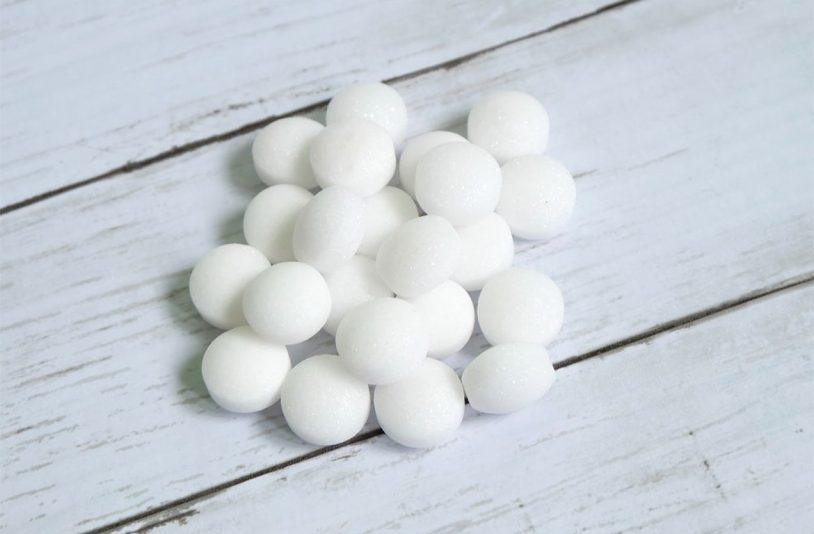
Mothballs have been used for years to protect clothes, blankets, and other fabrics from moths and insects, but they can be easily misused.
Mothballs contain strong chemicals that can be harmful if you use them in the wrong place, use too many, or place them near children, pets, or food. Many people put them in corners of the house, the garden, or the car without knowing the risks.
Keep reading to learn how to use mothballs safely!
Jump to Section [Hide]
What Are Mothballs?
Mothballs are small balls containing toxic chemicals such as naphthalene or paradichlorobenzene. These chemicals turn into vapors that kill clothes moths and their larvae in enclosed spaces.
They were first used in the 1800s when chemists found naphthalene in coal tar.
You use mothballs to protect natural fabrics, like wool or silk, from damage. They prevent insect larvae from eating through stored clothing or fabric. Modern options usually contain either of the two main ingredients but work the same way by releasing strong-smelling vapors over time.
How To Use Mothballs Properly
Use mothballs to protect clothes and stored items from pests. Place them where airflow is limited for best results.
1. Closets and wardrobes
Place mothballs in airtight containers or garment bags. This helps keep the vapor concentrated on stored clothes. Seal the space tightly to kill moth larvae effectively.
Avoid putting mothballs directly on clothes. Place them beside garments instead. Choose gloves when handling, as a precaution. Natural fibers like wool require extra pest-control measures, while synthetic materials do not require mothballs.
Always follow the amount written on the product label for your storage size.
After storage, air out clothing before wearing it again.
2. Attics, basements, and storage rooms
Seal items in airtight containers before placing mothballs in attics, basements, or storage rooms. Avoid direct contact between the mothballs and your clothes or stored goods to prevent damage.
Keep these areas closed off to children and pets to reduce the risk of naphthalene poisoning. Always wear gloves while handling mothballs, as their volatile compounds can irritate skin.
After storage, air items thoroughly and wash them to remove chemical residue.
3. Storage units, sheds, and garages (with caution)
Use mothballs only in airtight containers inside these spaces. This keeps the vapors from spreading and harming people, pets, or wildlife. Make sure stored items are natural fibers like wool or silk; avoid using mothballs for synthetic materials.
Keep them away from food or drinks stored in these areas to prevent contamination. Always wear gloves when handling mothballs to protect your skin. After removing items, air them out fully before use.
Dispose of used mothballs by sealing them in a garbage bag and placing it in the trash.
4. Vehicles, RVs, and cabins (temporary, short-term use only)
Keep mothballs in tightly sealed containers when storing items in vehicles, RVs, or cabins. This stops toxic vapors from spreading into the air and keeps them safe for short-term use.
Never place loose mothballs inside these spaces.
Air out the area before using it again. Remove all mothballs completely to avoid breathing harmful fumes. Wash clothes or fabrics that were stored with them before wearing to ensure safety.
Always follow product labels for proper use, including quantity and time limits.
Do Mothballs Actually Work?
Short answer: yes, mothballs can work—but only when they’re used the right way and in the right situation.
Mothballs release fumes that are harmful to moths and their larvae. When you put them in a sealed container with clothes or fabrics, the fumes build up and kill or keep away the insects that would otherwise damage your items. In this situation, mothballs work as intended.
The problem is, a lot of people use mothballs in ways that make them less effective (and more dangerous), like:
- Tossing a few mothballs in an open closet or drawer
- Scattering them around a room, basement, or attic
- Leaving them out in the garden or yard to repel other pests
In open or loosely closed spaces, the fumes just spread into the air. This means there isn’t enough to kill moths but enough to expose people and pets to the chemicals. So in these cases, mothballs don’t work the way people think.
Mothballs only affect certain insects, mostly clothes moths and carpet beetles. They won’t solve general pest problems and aren’t made for mice, snakes, roaches, or other animals (even if some people suggest using them for that).
So, do mothballs actually work?
- Yes, if you use them in sealed containers with fabrics you’re storing for a while.
- Not really. If you leave them out in open areas, try treating your whole house, or expect them to handle unrelated pests.
When used correctly, they work well—but they are a powerful tool, not something you can just set and forget like an air freshener.
Safety Precautions of Using Mothballs
Always handle mothballs with care—they are pesticides, not air fresheners. Use them correctly to keep your home and family safe.
Reading and following the product label
Check the product label before using mothballs. It tells you how many to use and where they work best, like closets or dry cleaning bags. Labels also show expiration dates and how long mothballs last, often 3-6 months.
Follow disposal steps on the label to avoid harming soil or wildlife. Stick to instructions for safe pest management in storage areas. Do not exceed the recommended amount listed. Using too much can cause health risks.
Ensuring proper ventilation
Open windows or use fans to air out spaces after using mothballs. Let stored items sit in a ventilated area for several days before you touch them. This reduces toxic vapors and eliminates strong odors.
Do not stay in rooms with poor airflow that have been treated with mothballs. Wash clothes and fabrics thoroughly after airing them out to remove any lingering chemicals. Never store items in unventilated areas, such as sealed closets or tightly sealed containers, without proper airflow.
Protecting children, pets, and sensitive individuals
Keep mothballs out of children’s and pets’ reach. Use sealed containers to store them, ensuring no one can access them by accident.
Sensitive individuals should avoid exposure to mothball vapor. These vapors may cause breathing issues or other serious health problems. Always use mothballs in spaces where children, pets, and sensitive individuals don’t spend time.
Keeping mothballs away from food and dishes
Never store mothballs near food, dishes, or kitchenware. The vapors can seep into these items, contaminating them. This makes the food unsafe to eat and the dishes unsafe to use.
Use only in non-food storage areas, such as closets or basements. If mothballs come into contact with utensils or plates, wash them well before using. Keep sealed containers for storing mothballs to block vapor leaks.
Always follow product labels for safe distance guidelines from stored food items.
What NOT To Do With Mothballs
Avoid using mothballs in ways they weren’t made for—stick to safe, indoor use only… and protect your space the right way!
Using mothballs outdoors in gardens, yards, or around the home
Using mothballs outside harms the environment. Chemicals can leak into soil and water, making it unsafe. Vapors may spread beyond where you use them, causing damage to nearby plants or animals.
Mothballs are not approved for outdoor pest control by the Environmental Protection Agency. They cannot repel rodents or other wildlife, such as snakes, in your yard. Using them this way breaks label rules and can hurt local ecosystems.
Keep gardens, yards, and wildlife safe—skip the mothballs outdoors!
Using mothballs in open living spaces (bedrooms, kitchens, living rooms)
Avoid placing mothballs in open areas such as bedrooms, kitchens, or living rooms. Toxic vapors from mothballs can fill the air and harm anyone inside. These vapors linger on fabrics, furniture, and other surfaces, creating lasting health risks.
Mothballs near food or dishes may contaminate them. This is unsafe for you and your family. Pets and children are also at risk if they swallow a mothball left out in these areas. Always use mothballs only as directed in closed containers to avoid these dangers.
Using mothballs to repel pests other than moths (e.g., mice, snakes)
Using mothballs for pests like mice or snakes is unsafe. They are only approved to control clothes moths and their larvae. Chemicals in mothballs can harm humans, pets, and wildlife.
The fumes may create toxic air indoors.
Placing them in open spaces or sealing areas with them does not work. Mothballs do not repel rodents or snakes effectively. Misuse increases risks of accidental poisoning, especially for kids and animals.
Always follow the product label closely to avoid dangers.
Mixing mothballs with other chemicals or repellents
Never mix mothballs with other chemicals or pest repellents. This can cause harmful reactions, making the air more toxic and dangerous for you and others. It may also harm nearby pets or wildlife.
Keep mothballs separate from cleaning agents, pesticides, or any other substances. Mixing them increases the risk of poisoning and environmental damage, including soil contamination. Always follow label instructions to stay safe!
Final Tips
Using mothballs can protect your clothes and belongings, but you must handle them carefully.
Always follow the instructions on the package. Use them only in sealed spaces to keep their vapors effective and contained.
Don’t forget to store them away from kids, pets, and food items.