Share
Share Facebook
  Twitter
  LinkedIn
  Pinterest
  Email
Email 
Mosquitoes can quickly spoil a nice day. You might be relaxing in the garden or enjoying a quiet evening on the porch, then suddenly you’re swatting at them and dealing with itchy red bites. It’s frustrating, uncomfortable, and sometimes even a little concerning because of the risk of mosquito-borne illnesses.
Many people are looking for natural mosquito repellents made from plants that are gentle on the skin but still help keep bugs away.
Read on for tips to help keep mosquitoes away!
Jump to Section [Hide]
How Mosquito Repellents Work
Mosquito repellents block scents that attract mosquitoes. They stop bugs from detecting carbon dioxide, body heat, sweat, or certain odors. Without these signals, mosquitoes can’t find you easily.
Natural ingredients such as citronella oil and lemon eucalyptus confuse the senses. These strong odors mask the signals they seek. This keeps them away and reduces mosquito bites.
Top Natural Mosquito Repellents
Nature offers powerful options to keep mosquitoes away. Discover these ingredients that work wonders against bites!
1. Lemon eucalyptus oil
Lemon eucalyptus oil works as a strong natural insect repellent. It has been used since the 1940s to repel mosquitoes. The CDC approves it as an effective solution for mosquito protection.
A 2014 study found that a 32% mix provides over 95% protection against bites for up to three hours.
You can dilute this oil at home by mixing one part lemon eucalyptus oil with ten parts sunflower oil or witch hazel. This keeps your skin safe while remaining effective. Avoid using it on kids under three years old, pregnant women, or nursing mothers due to safety concerns.
It’s versatile and can be added to bug sprays, balms, or lotions you make yourself!
2. Citronella
Citronella, derived from lemongrass, is a natural mosquito repellent. It is one of the most common scents used to repel mosquitoes. Studies from 2011 show that it can repel mosquitoes for up to 2 hours when mixed thoroughly.
You can add citronella oil to DIY sprays, like mixing 10 drops with 30 ml of distilled water. Another recipe calls for ½ teaspoon of citronella oil, 2 cups of witch hazel, and 1 tablespoon of apple cider vinegar.
Be careful, as citronella oil may stain clothing and harm pets. Always check with your vet if using around animals.
3. Lavender
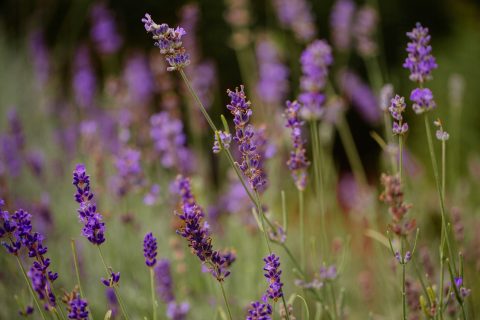
Lavender works great as a natural mosquito repellent. Its scent repels mosquitoes, making it one of the top 10 insect-repelling scents. You can use lavender oil directly on your skin or rub it onto a cloth.
Crushing fresh lavender leaves also helps release its oils for extra protection.
You can grow lavender plants in your garden to repel mosquitoes and enjoy their beauty too. Lavender oil is safe for children and pets when used in sprays with caution. Additionally, it offers other benefits, such as fighting fungi and soothing bites due to its antifungal and analgesic properties.
4. Tea tree oil
Tea tree oil repels mosquitoes and other biting bugs. Its antiseptic powers add extra protection. You can use it in DIY sprays by mixing 5 drops with 30 ml of water. Add a carrier oil to make it safe for your skin.
It works well in candles or balms, too. Combine it with lavender, citronella, or peppermint oils for a stronger insect repellent. Always do a patch test first to avoid irritation on sensitive skin.
Purchase from trusted sellers since it’s not FDA-regulated!
5. Neem oil
Neem oil can help keep mosquitoes away. A 2015 study in Ethiopia found it provided over 70% protection for three hours. It’s not FDA-approved in the U.S. for skin use, so exercise caution when using it.
Dilute neem oil before applying. Mix 50 to 100 milliliters with water, lotion, or another base, such as extra-virgin cold-pressed oil. Patch-test first since it may irritate your skin.
Avoid using it on children, pregnant women, or sensitive areas of the body where it might cause problems.
6. Peppermint oil
Peppermint oil is a great natural mosquito repellent. Its strong smell keeps mosquitoes, ants, and flies away. Crush peppermint leaves or use the oil in sprays to protect your skin or outdoor areas.
Combine it with alcohol or witch hazel to make an easy DIY spray; add 10–20 drops per cup.
Grow peppermint in your garden for extra pest control. You can also mix it with other essential oils, such as citronella or tea tree oil, for stronger protection. Always dilute peppermint oil before putting it on your skin to avoid irritation.
7. Lemongrass oil
Lemongrass oil works great as a mosquito repellent. Its strong citrus smell keeps mosquitoes and gnats away. You should always dilute it before putting it on your skin to avoid irritation.
Mix half a teaspoon of lemongrass oil with two cups of witch hazel for an effective herbal bug spray.
You can grow lemongrass in your garden for natural pest control, too. It’s one of the best scents that repel insects like mosquitoes. Combine lemongrass oil with other essential oils, such as citronella or lavender, to make repellents even stronger.
This powerful oil also helps prevent mosquito-borne diseases when used correctly.
8. Geranium oil
Geranium oil keeps mosquitoes, ticks, and lice away. It also repels gnats with a rose-like scent. Mix it in vinegar-based sprays for multi-insect protection; use 1 teaspoon per quart of vinegar.
Dilute geranium oil before putting it on your skin to avoid irritation. Do not use it on children or pregnant women. Combine it with lemon eucalyptus or other oils for stronger bug spray results.
9. Clove oil
Clove oil helps keep mosquitoes away. It works well in herbal bug sprays, like those made by steeping cloves in boiling water. You can also mix it with peppermint, lavender, or lemon eucalyptus oil for stronger protection.
Always dilute clove oil before putting it on your skin to avoid irritation. Perform a patch test first, as some people may have allergic reactions. Pregnant women should not use this oil at all.
Add clove oil to mosquito-repelling candles for an extra layer of protection, indoors or outdoors.
Safety Considerations for Natural Repellents
Using natural mosquito repellents is safe if you take precautions—learn how to protect your skin, kids, pets, and more!
Skin sensitivity and patch testing
Test a small area of skin before using any natural mosquito repellent. Do this 1 to 2 hours before applying it fully. This helps check for allergies or irritation.
Always dilute essential oils, such as neem or clove, before use. They can irritate sensitive skin if too strong. Watch for redness, itching, or swelling after testing. Stop using the product if your skin reacts badly.
Lavender and tea tree oil are gentler but should still be tested first. Never apply repellents to broken or irritated skin, either!
Using essential oils safely on children
Only use mild essential oils, such as lavender, tea tree, or peppermint, for children. Always dilute them more than you would for adults. For example, mix one drop of essential oil with a tablespoon (tbsp) of carrier oil, such as coconut or almond.
Never apply oils to their hands or places they might lick. Avoid using lemon eucalyptus oil on children under 3 years old. Do a patch test on their skin first to check for irritation.
Supervise kids during the application to keep them safe and healthy.
Considerations for pregnant and breastfeeding women
Pregnant women should avoid using lemon eucalyptus and pennyroyal oils. These can harm your health or the baby’s development. Neem oil is also not safe for pregnant or breastfeeding women.
Strong scents, such as clove or peppermint oils, may cause nausea during pregnancy. Avoid essential oils on your abdomen while breastfeeding, too. Lavender is one of the safer choices, but limit your use.
Vinegar-based sprays are a good option if you want to skip essential oils completely. Always talk to a doctor before trying any new insect repellent while pregnant or nursing.
Pets and natural mosquito repellents
Many essential oils can harm pets. Citronella oil is toxic to cats and dogs and should be avoided without expert advice. Pennyroyal is also dangerous, so keep it out of your home if you have animals.
Never apply essential oils to a pet’s fur or skin. Pets may lick or absorb them, causing harm. Store homemade bug sprays away from their reach. Monitor for allergy symptoms, such as vomiting or drooling, after exposure.
Always use pet-safe repellents or check with a vet first.
How to Apply Natural Mosquito Repellents Effectively
Apply your mosquito repellent evenly over exposed skin for better protection. Stick to safe amounts and refresh as needed for lasting coverage.
How much to use and where to apply
Use the smallest amount needed to cover exposed skin. A standard mix is 10–15 drops of essential oil in 2 tablespoons of carrier oil. Spray or rub evenly on arms, legs, and neck.
If safe, you can lightly apply it to clothing.
Avoid sensitive areas like the eyes, mouth, and cuts. Skip handshakes for children, as they often touch their faces. Do not use under clothes or on irritated skin. Always do a patch test before full use to check for reactions.
Reapplication frequency
Natural mosquito repellents need frequent reapplication. Lemon eucalyptus oil works for up to 3 hours, while citronella lasts about 2 hours. Neem oil provides approximately 70% protection, but it wears off after 3 hours.
Greek catmint oil keeps mosquitoes away for about 2–3 hours.
Always reapply after swimming, sweating, or staying in hot weather. Homemade sprays may need to be refreshed every 2–4 hours because natural ingredients degrade faster than DEET-based products.
Read the product or recipe instructions carefully before use to stay protected longer!
Layering with sunscreen and other skincare products
Apply sunscreen first and let it fully absorb. This creates a base layer before using mosquito repellent. Never mix sunscreen and insect repellent in the same container.
Avoid applying heavy creams or makeup under the repellent, as they can reduce its effectiveness. Use non-comedogenic carrier oils for your face to prevent clogged pores. Reapply repellent after swimming or sweating, even if sunscreen is still working.
Storing homemade repellents properly
Store homemade repellents in dark bottles or in a cool, dark place. Light and heat can degrade essential oils, reducing the mix’s effectiveness.
Label your bottles with the date and ingredients. Use the repellent within six months for best results. Shake the spray before each use to recombine the oils. Keep all repellents out of reach of kids and pets for safety.
Discard any that change smell, color, or texture.
DIY Mosquito Repellent Recipes
Make your own mosquito repellents using simple, safe ingredients. Try easy sprays, oils, or even candles for natural protection!
Simple essential oil spray for skin
Mix 30 ml of distilled water with 1 teaspoon of apple cider vinegar in a spray bottle. Add 10 drops of citronella oil and 5 drops of tea tree or eucalyptus oil. Shake it well before each use.
Spray onto exposed skin, avoiding your eyes and mouth. Reapply every two to four hours for best results. Use a patch test on your skin first to check for sensitivity. Store the spray in a dark bottle to keep it fresh longer.
This blend is safe for kids and pets when diluted properly!
Alcohol- or witch hazel-based spray
Use 1 cup of isopropyl alcohol or witch hazel as the base. Add 10–20 drops of essential oils like lemongrass, peppermint, or citronella. Stir in 1 tablespoon of apple cider vinegar for extra mosquito-repelling power.
Shake well to mix everything before each use.
Alcohol dries fast and leaves no stickiness on your skin. Witch hazel feels soothing and spreads oils evenly. Store your spray in a cool, dark place for up to six months. Always patch-test first to avoid irritation.
Herbal-infused mosquito balm or salve
Steep 2 tablespoons each of mint, basil, and lavender in 1 cup of boiling water. Strain it and mix with 1 cup of witch hazel to create a balm base. Combine this infusion with melted beeswax and a carrier oil, such as coconut oil.
Add up to 10 drops of essential oils, such as peppermint or lavender, to 2 tablespoons of carrier oil for extra strength. Store the finished balm in a small tin or jar in a cool place.
Apply it to pulse points or exposed skin for long-lasting mosquito-repellent effects.
Mosquito-repellent body oil or lotion
Mix essential oils like tea tree, citronella, or lavender with a carrier oil such as coconut or olive. Use 10–15 drops of essential oil for every two tablespoons of carrier oil. Apply it directly to exposed skin to protect against mosquitoes.
This blend works well on sensitive or dry skin and keeps it moisturized, too. Store the mixture in a pump bottle away from heat and light. Reapply every few hours, especially after sweating.
Always patch-test first to avoid irritation!
Natural mosquito-repelling candles
Make candles with citronella, clove, or lemon eucalyptus oil. These oils repel mosquitoes naturally and work well outdoors. Citronella candles provide 50% more protection in open areas such as patios and campsites.
Melt soy or beeswax to start. Add up to 30 drops of your chosen essential oil for every 8 ounces of wax. Pour the mix into heatproof jars or containers. Let it cool and harden before lighting.
These candles keep mosquitoes away while creating a cozy glow. Store unused ones in a cool, dark spot to preserve their scent and effectiveness over time.
Mosquito-repellent room or outdoor mist
Mix distilled water with witch hazel or alcohol in a spray bottle. Add 15–20 drops of essential oils such as citronella, lavender, or peppermint. Shake well before each use to spread the oils evenly.
Spray this mist in rooms, tents, or outdoor spots every 2–3 hours. It works great for camping trips or backyard parties. Keep it out of sunlight and store it safely for longer use. Avoid spraying on light fabrics if worried about stains.
Other Natural Ways to Keep Mosquitoes Away
Keep mosquitoes out with smart habits and natural tricks. Small changes can make a huge difference—stay mosquito-free!
Mosquito-repelling plants in the garden and indoors
Citronella grass, marigolds, and lavender are great for keeping mosquitoes away. Marigolds emit a strong scent that insects dislike, making them ideal for garden edges. Lavender adds beauty while repelling bugs with its scent.
Plant lemon balm and peppermint near doors or windows to deter mosquitoes from entering. Basil and rosemary do well in pots indoors or outdoors; crush their leaves for stronger effects.
Catnip is more effective than DEET, according to studies; use it around seating areas.
Removing standing water and breeding sites
Empty buckets, baby pools, and other containers after rain. Mosquitoes lay eggs in standing water, even in small amounts. Check outdoor toys and planters often to prevent water collection.
Clean pet bowls and birdbaths weekly. Cover rain barrels with screens to prevent mosquito entry. Clear clogged gutters so water flows freely. Trim tall grass and thick vegetation where mosquitoes might hide.
Work with neighbors to reduce standing water in the area to improve results.
Using fans, screens, and nets
Use fans in outdoor areas to keep mosquitoes away. Airflow makes it hard for them to land. This works best during warm evenings when bugs are active.
Install screens on windows and doors to stop insects from entering your home. Repair any tears or holes quickly. Sleep under mosquito nets if you’re outdoors or in places without screens.
Fine-mesh nets provide the best barrier, even against small pests such as Anopheles mosquitoes. For camping, bring portable netting and tuck edges under mattresses to seal gaps. Use baby-safe nets over strollers or carriers for extra protection.
Wearing protective clothing and choosing the right colors
Wear loose clothes that cover your arms and legs. This keeps mosquitoes from biting your skin directly. Long sleeves and pants provide the best protection.
Choose light colors like white or beige. Mosquitoes are drawn to dark shades like black or navy blue. For added safety, treat your clothing with permethrin to repel insects.
Adjusting outdoor habits and timing
Limit outdoor plans during dusk and dawn. Mosquitoes are more active at these times.
Stay indoors if possible, or use insect repellents such as citronella or lemon eucalyptus oil when outdoors. Wear loose, light-colored clothes to keep bites away. Use fans outdoors; mosquitoes hate the wind!
Final Tips
Natural mosquito repellents are simple and effective. You can mix oils like citronella or lavender for homemade sprays. Use plants, candles, and smart habits to keep them away. These methods are safe and eco-friendly.
Protect yourself with these easy solutions!