Share
Share Facebook
  Twitter
  LinkedIn
  Pinterest
  Email
Email 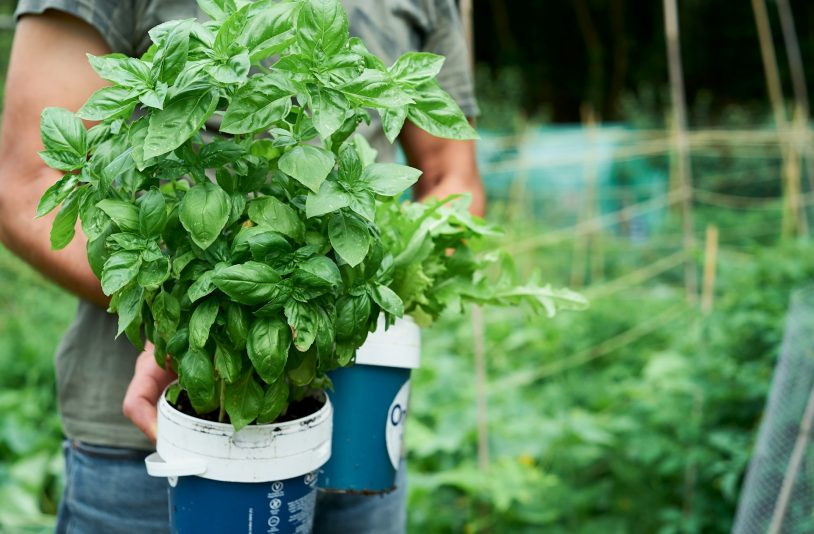
Growing basil is easier than you think, and once you try it, you’ll wonder why you didn’t start sooner! No matter if you’ve got a sunny windowsill, a small patio, or a garden bed, you can grow basil with just a little effort and a lot of love.
You’ll love how it adds flavor to your pasta, salads, sandwiches, or even just a slice of tomato with mozzarella. Plus, that fresh herbal scent every time you brush past your plant? Total bonus.
In this guide, you’ll learn everything you need to get started, from picking the right variety to planting, caring for, and harvesting your basil like a pro.
Ready to grow your own little patch of deliciousness? Let’s get started!
Jump to Section [Hide]
- Understanding Basil: A Quick Overview
- Choosing the Right Basil Variety
- How to Grow Basil
- Soil Preparation for Basil Success
- Starting Basil from Seeds
- Growing Basil from Cuttings
- Transplanting Seedlings and Cuttings
- Caring for Your Basil Plants
- Managing Environmental Factors
- Pest and Disease Control
- Troubleshooting Common Issues
- Harvesting Basil Properly
- Storing and Preserving Basil
- Propagating Basil for an Endless Supply
- Bonus Tips for Thriving Basil Plants
Understanding Basil: A Quick Overview
Basil, or Ocimum basilicum, is a fragrant and flavorful herb. It belongs to the mint family, Lamiaceae. Popular in cooking, it’s valued for its versatility in dishes such as pasta and pesto.
This warm-weather annual thrives at temperatures between 80 and 90°F. Basil grows quickly, reaching heights of 12-24 inches in optimal conditions. You can grow it outdoors in gardens or indoors on sunny windowsills.
With proper care, you can enjoy fresh basil leaves throughout the growing season.
Choosing the Right Basil Variety
Basil comes in many types, each with unique flavors and uses. Choosing the right one depends on your needs, whether it’s for cooking, aroma, or garden beauty.
Sweet Basil (Genovese)
Sweet Basil (Ocimum basilicum) is the most common variety of basil. It has smooth, green leaves and a mild, sweet flavor. Many gardeners grow it for its versatility in Italian dishes, such as pesto and caprese salad.
This type thrives in warm weather and requires ample sunlight to remain healthy.
You can find Sweet Basil easily at nurseries or as seed packets labeled “Sweet Basil (2 Pack).” Plant this variety in rich, well-draining soil for optimal results.
Its rapid growth makes it ideal for summer planting, whether you’re growing it outdoors or on an indoor windowsill in a sunny spot.
Thai Basil
Thai Basil stands out with its unique licorice flavor, making it a favorite in Southeast Asian cuisine. Its leaves are smaller and more pointed than those of the familiar Sweet Basil, giving it a distinct look.
Unlike Genovese types, it is less sweet but adds a bold, aromatic note to dishes.
You can use Thai Basil in stir-fries, soups, and fresh salads for extra flavor. It thrives in warm climates and sunny spots, making it ideal for outdoor herb gardens or patio containers.
Its vibrant green color pairs beautifully with Purple Basil in mixed plantings, too!
Lemon Basil
Lemon Basil has a fresh, citrus flavor that stands out among basil varieties. Its leaves are light green and slightly smaller than those of Sweet Basil, making it easy to recognize in your garden.
You can use it to enhance dishes such as fish, salads, or teas with its zesty flavor. This type thrives in sunny spots and grows well in raised beds or containers.
Plant seeds once the soil reaches at least 60°F for faster germination. Lemon Basil prefers fertile soil enriched with compost or earthworm castings. Keep the plant hydrated but avoid waterlogged roots by ensuring proper drainage.
Regular pruning encourages bushier growth and more flavorful leaves for year-round harvesting!
Purple Basil
Purple Basil stands out with its dark purple leaves and bold flavor. Unlike Sweet Basil, it tastes less sweet and more earthy. The striking color makes it a popular garnish for salads or drinks.
You can grow it like other basil types, but its unique look adds extra charm to your garden.
This variety grows best in full sun with well-drained soil. Use a potting mix rich in plant nutrition for better results. Harvest young leaves once the plant reaches a height of 6-8 inches.
Picking often encourages fresh growth and keeps the plant healthy!
Tips for choosing the best type
Choose basil based on your needs. Sweet Basil, like Genovese, works great for Italian dishes and pesto. Thai Basil adds a spicy, licorice-like flavor to Asian dishes. Lemon Basil gives a refreshing citrus flavor perfect for fish or salads.
Purple Basil stands out with its vibrant color and mild taste, making it an ideal choice for garnishes or unique recipes.
Consider how you will utilize the basil. Smooth leaves are easier to clean and chop, while ruffled ones can add a decorative touch to dishes. Consider growth time too; most types mature in 60–65 days.
If you want variety, try growing multiple kinds together in your vegetable garden or window pots!
How to Grow Basil
Basil grows well both indoors and outdoors, providing you with options based on your available space. Select a sunny location with good airflow to ensure healthy plant growth.
Outdoor or container growing
- Growing basil in an outdoor garden lets the plants spread out. Space them 12–18 inches apart in garden beds for healthy growth. Outdoor gardens perform best when your area receives plenty of sunlight, and the soil temperature remains above 50°F after the last frost.
- Use mulch, such as compost or leaves, to retain moisture and prevent weeds.
- Container gardening is great for small spaces or urban farms. Select pots that are at least 8 inches wide with drainage holes to prevent root rot.
- Place containers where they’ll get 6–8 hours of sunlight daily.
This method provides easy control over soil quality and simplifies moving plants indoors during cold weather.
Indoor windowsill growing
- Place your basil pot on a sunny windowsill where it gets at least 6 hours of light daily.
- Use grow lights if natural sunlight is limited to keep the plants healthy and strong.
- Maintain indoor temperatures around 64°F (18°C) to ensure seeds germinate well.
- Cover pots with clear plastic bags or use a propagator to provide extra humidity until the seedlings sprout.
- Once they appear, move them to a bright spot indoors and water regularly, avoiding overwatering.
Soil Preparation for Basil Success
Good soil is essential for strong basil growth. Focus on creating an environment where water flows easily and roots can breathe.
Best soil type and pH level
Use well-draining, moderately fertile soil for planting basil. Loamy or sandy soil works best as it prevents water from sitting around the roots. Compact, heavy clay soils can cause rot and stunt growth.
Aim for a pH level between 6.0 and 7.5. Slightly acidic to neutral soil is ideal for healthy basil plants. Test your garden’s pH with a simple kit from a nursery or home store to ensure proper conditions before planting basil seeds or cuttings.
How to enrich the soil
Mix 2–3 inches of compost into your planting area. This boosts soil nutrients and improves texture for growing basil. Earthworm castings can also enhance fertility and add organic matter.
Apply a balanced liquid fertilizer if the soil is nutrient-deficient. This promotes leafy growth and helps keep your basil healthy. Ensure proper drainage to prevent soggy roots, which can damage plants.
Ensuring proper drainage
Use pots with drainage holes to prevent water from collecting at the bottom. Waterlogged soil can cause root rot and quickly kill basil plants.
Add compost or sand to your potting soil for better drainage. Mulch with leaves or compost on top; it retains moisture but avoids soggy roots. Good drainage keeps your basil healthy and disease-free.
Starting Basil from Seeds
Plant basil seeds in warm soil to help them sprout quickly, learn the proper steps for a thriving start!
When and where to plant seeds
Start basil seeds indoors from late February to mid-summer. The soil temperature should remain around 64°F (18°C) to promote germination. Outdoors, sow seeds in early summer when the ground is warm and temperatures are above 59°F (15°C).
Use a sunny spot with at least 6 hours of light daily. For indoor growing, place seed trays near a south-facing window or use grow lights to ensure optimal lighting. If planting outdoors, choose well-drained beds or garden containers.
How to sow basil seeds
Sow basil seeds about 1/8 inch deep. Do not go deeper than 1/4 inch. Use seed trays or small pots if planting indoors. Lightly cover the seeds with a thin layer of soil.
Keep the soil moist but avoid overwatering. Place the tray in a warm spot, as basil germinates best at temperatures between 70°F and 75°F. Within 7 to 10 days, you will see tiny sprouts appear if the conditions are right.
Tips for successful germination
Keep the soil warm and moist for germination. Basil seeds sprout best in temperatures between 70°F and 75°F. Use a humidity dome or cover with a clear plastic bag to trap moisture, especially in indoor environments.
Place your seeds in bright light as soon as they sprout. Use grow lights or a sunny windowsill for healthy seedling growth. Most basil seeds germinate within 5–7 days under the right conditions.
Growing Basil from Cuttings
Growing basil from cuttings is a quick and cost-effective method. Use healthy stems, and you’ll have new plants in no time!
How to select and prepare cuttings
Cut stems that are 4 to 6 inches long. Snip just below a leaf node using clean shears for a precise cut. Select healthy, bright green stems without flowers for optimal results.
Remove all lower leaves on the stem, leaving only the top ones intact. This ensures there are plenty of bare stems ready to root. Avoid selecting weak or damaged stems to improve rooting success of basil cuttings.
Rooting basil in water
Place basil cuttings in a glass of clean water. Use a window spot with bright, indirect light for best results. Change the water every two to three days to keep it fresh and prevent stagnation.
Small roots begin appearing within 7–14 days. Once the roots are about 2 inches long, they’re ready to be transplanted into soil or a container garden.
Transplanting rooted cuttings
Make sure the roots are well-developed before transplanting. They should be visible and about several inches long. Use moist, well-draining soil to support healthy growth.
Space your cuttings 3 inches apart if planting in larger pots. This provides them with sufficient space for early growth without overcrowding. Keep the soil slightly damp, not soggy, during this stage.
Transplanting Seedlings and Cuttings
Move basil seedlings or cuttings when they are strong and ready to grow in their final spot. Give each plant enough space to thrive.
When to move young basil plants
Young basil plants are ready to move outdoors once they have developed 2–3 pairs of true leaves. Choose a time when nighttime temperatures consistently stay above 50°F (10°C). This ensures the cold won’t harm the plants.
Harden off your basil before transplanting it outside. Gradually expose them to sunlight and outdoor conditions for 7–10 days. Start with an hour or two in a shaded spot, then gradually increase their outdoor time each day.
This helps them adjust and grow stronger in their new environment.
Spacing and depth guidelines
Plant basil seedlings 12–18 inches apart in garden beds to allow room for growth. For pots, use a container at least 8 inches wide per plant. Crowding can reduce air circulation and increase the risk of disease.
Place the seedlings at the same depth they were planted in their starter pots. Avoid planting too deeply, as this may stress the plants or cause root rot. This simple step helps ensure healthy growth and a strong root system.
Caring for Your Basil Plants
Healthy basil needs regular attention to thrive. Focus on providing it with what it needs: water, nutrients, and care to keep it lush and green.
Watering
Water basil deeply but only after the top inch of soil feels dry. This helps keep roots healthy and prevents overwatering issues, such as root rot. Water is especially crucial during hot weather or for basil in containers, as these plants dry out faster than those in garden beds.
Do not let the soil stay completely dry for long periods. Basil thrives with consistent moisture, so check your plants often, especially on sunny days. Water early in the day to allow leaves and the soil surface time to dry before nightfall, reducing the risk of fungal diseases such as powdery mildew.
Fertilizing
Use a 5-10-5 fertilizer sparingly to keep your basil healthy and thriving. Over-fertilizing can lead to fewer flavorful leaves. For an extra boost, apply a balanced liquid fertilizer every 14 days for rich, green growth.
Compost or earthworm castings are excellent natural options for feeding your plants. These add nutrients without the risk of overfeeding. Healthy soil paired with light fertilization encourages tasty, vibrant basil leaves!
Pruning
Prune basil plants above the second set of leaves once the seedlings have developed six leaves. This encourages healthy growth and stronger stems. Pruning at this point helps your plant focus on producing more leaves rather than growing tall and leggy.
Trim branches after they have 6–8 leaves to make your basil bushier. Always remove flower stems as soon as they appear. Flowers divert energy from leaf production, reducing the quality of foliage flavor.
Regular pruning ensures a steady supply of fresh, flavorful basil for harvesting.
Pinching
Pinch the top branches of your basil plants when they reach 4 to 6 inches in height. This simple step encourages more branching, helping your plant grow fuller and bushier. Use clean fingers or small scissors while pinching to avoid damage.
Remove any flowers as soon as they appear. Blossoms can take energy away from leaf production, reducing the quality or quantity of your harvest. Consistent pinching will keep leaves productive longer and improve growth in culinary herbs such as sweet basil and Thai basil.
Managing Environmental Factors
Basil thrives with the proper care. Focus on light, temperature, and moisture to keep your plants happy.
Sunlight exposure
Basil thrives in full sunlight. Aim to provide 6–8 hours of direct sunlight per day for optimal growth. Place your plants in a bright spot outdoors, such as a garden bed or patio, where they receive sufficient light.
If you’re growing indoors, set them near a sunny window with intense light.
Partial sunlight works, but may result in slower growth and less flavorful leaves. Rotate indoor pots regularly to ensure even exposure on all sides. Strong sunlight helps keep basil vibrant and produces nutrient-rich leafy greens perfect for cooking!
Protecting basil from cold, wind, and frost
Cold weather harms basil. Wait until after the last frost date before planting outdoors. Use a trusted almanac or local gardening guide to check this date for your area.
Strong winds can damage delicate leaves. Place your pots near walls or fences for shelter. If frost threatens, cover plants with row covers or cloches at night to protect them. Indoors, keep basil away from cold drafts, such as those near windows and doors, during the winter months.
Maintaining healthy humidity
Use plastic covers or propagators to keep seeds and cuttings moist and healthy. This traps heat and increases humidity, supporting germination and rooting.
Avoid too much moisture in the air. High humidity can cause fungal problems, such as grey mold. Keep plants spaced apart to allow for adequate airflow, especially indoors.
Pest and Disease Control
Pests and diseases can harm your basil if not managed early. Keep your plants healthy by regularly inspecting them for issues and addressing any problems promptly.
Common basil pests
Aphids, slugs, and Japanese beetles are common pests of basil. Aphids often gather on new growth, sucking its sap and weakening the plant. Slugs chew holes in leaves, leaving them ragged.
Japanese beetles eat leaves until only veins remain, creating a skeleton-like appearance.
You can control aphids by spraying plants with soapy water or neem oil. Handpick slugs at night or use slug traps to reduce their numbers. For Japanese beetles, shake them off into a bucket of soapy water early in the day when they are less active.
Regular weeding also helps control pest populations.
Natural remedies and prevention
Use mulch around your basil plants. It helps keep pests away and holds in moisture. Handpick any visible bugs, such as caterpillars or beetles, from the leaves to prevent damage.
Encourage beneficial insects such as ladybugs and lacewings. They eat aphids that harm basil. For fungal problems such as grey mold, properly space your plants to improve air circulation. Avoid wetting the leaves when watering to reduce the risk of disease.
Fungal and bacterial issues
Powdery mildew is a common fungal problem in basil. It appears as white patches on leaves and spreads rapidly. To prevent it, ensure your plants receive sufficient airflow and sunlight.
Poor drainage can lead to root rot, which is caused by fungi or bacteria. Always use well-draining soil and avoid overwatering to ensure optimal growth. Water the base of the plant rather than from above to keep its leaves dry and reduce the risk of disease.
Troubleshooting Common Issues
Discover easy fixes for yellow leaves, drooping plants, or slow-growing basil and keep your garden thriving!
Yellowing leaves
Yellowing leaves often indicate that your basil is receiving too much water. Overwatering can lead to poor soil drainage, which harms the roots. Check for root rot by gently examining the base of the plant.
Use well-drained soil to avoid this issue. A mix with compost or sand works best for basil growth. Allow the top inch of soil to dry out before watering again. This helps prevent excess moisture and keeps your basil healthy.
Wilting or drooping
Wilting basil plants often indicate a need for water or root problems. Dry soil is a common cause, so check moisture levels first. If the top inch of soil feels dry, give your plant a drink.
Use well-draining soil to prevent rot; soggy roots can also cause drooping leaves.
Check for diseases like root rot if watering doesn’t help. Gently pull up the plant and examine the roots. Healthy roots appear white and firm; brown or mushy ones signal decay. Trim any damaged parts and replant using nutrient-rich soil with good drainage.
Slow growth or leggy stems
Insufficient sunlight often causes basil to grow thin, weak stems. Place your plants where they receive at least six hours of sunlight daily. A sunny windowsill or outdoor spot works best for this.
Overcrowding can also lead to leggy basil. Space your plants about 12 inches apart so each gets enough light and air circulation. Prune and pinch regularly to encourage full, bushy growth instead of tall, spindly stems.
Harvesting Basil Properly
Pick basil leaves early in the morning when the oils are strongest. Cut just above a pair of healthy leaves to encourage new growth.
Best time of day to harvest
Harvest basil in the early morning. This is before temperatures rise and the sun gets too strong. Cooler mornings help preserve basil’s essential oils, which enhances its flavor. Leaves taste their best when picked at this time.
Avoid harvesting after the sun dries out the plant. Heat can reduce oil levels and cause leaves to wilt faster. Early picking also preserves basil’s aroma for dishes like pesto or soups.
How often should you pick leaves
Pick basil leaves regularly to keep the plant growing and healthy. Frequent harvesting, about once a week or more, encourages new growth and prevents premature flowering.
Start by taking the larger leaves at the top or sides of the plant. This keeps energy focused on producing new, tasty leaves rather than seeds. If your basil is thriving, you can collect small amounts daily for cooking or drying without harming its growth cycle.
Harvesting for continued growth
Cut basil leaves regularly to keep the plant growing strong. Always remove no more than one-third of the plant at a time. This prevents stress and encourages new growth. Snip just above a leaf node, which is where two leaves meet the stem.
Doing this helps your basil grow bushier.
Remove flower buds as soon as they form. Flowers signal to the plant to stop producing leaves, slowing growth. Pinching off these buds redirects energy back into leafy development.
Stay consistent with harvesting, and you’ll enjoy fresh basil all season long!
Storing and Preserving Basil
Keep basil fresh longer by storing it properly. Explore techniques to preserve its flavor and aroma year-round.
Storing fresh basil
Place fresh basil stems in a glass of water. Change the water every two days to keep it fresh longer.
Store the glass at room temperature, away from direct sunlight. Avoid refrigerating basil, as cold temperatures can cause its leaves to turn black.
Drying and freezing methods
Air-dry basil leaves by spreading them in a single layer on a clean surface. Let them dry for 3–4 days in a warm, dry spot with good air circulation. If the leaves are still moist after this, place them in an oven set to the lowest temperature for faster drying.
For freezing basil, chop or leave whole leaves intact. Freeze them flat on a baking sheet, then store in airtight containers or freezer bags to retain flavor. You can also freeze blended basil with olive oil in ice cube trays for easy use later.
Freezing preserves more of its fresh taste than drying.
Making basil paste or pesto
Use fresh basil leaves to make pesto. Approximately 12 basil plants can yield 4–6 cups of pesto each week. Combine two cups of packed leaves with a half-cup of olive oil, one-third cup of pine nuts or walnuts, and two cloves of garlic in a blender.
Add freshly grated Parmesan cheese and salt for flavor once the mixture is blended smoothly. Taste and adjust as needed. Store the paste in small airtight containers or freeze it in ice cube trays for long-term use.
This way, you keep that fresh taste even months later!
Propagating Basil for an Endless Supply
Grow more basil by using stem cuttings or dividing mature plants. It’s easy and keeps your supply thriving year-round!
Regrowing basil from stems
Take a 4–6-inch cutting from a healthy basil plant. Remove the leaves from the bottom two inches of the stem. Place the stem in a glass of water, making sure no leaves touch the water.
Change the water every 2 days to keep it fresh and prevent bacterial growth. Roots will begin to form in approximately 7–10 days. Once roots are at least 2 inches long, transplant them into soil with proper drainage.
Keep the soil moist but not soggy for best results.
Dividing mature plants
Divide basil plants carefully to grow more. Use a clean tool to avoid harming the plant. Each division must have healthy roots and at least one strong stem. Gently separate the sections without tearing too much.
Replant each division in nutrient-rich, well-drained soil. Space them properly for airflow and sunlight, leaving about 12 inches of space between them. Water well after planting to help roots settle quickly.
This method of asexual propagation keeps your supply steady year-round.
Keeping a rotating crop
Plant basil seeds in batches from January to June. This staggered planting method ensures a steady harvest for months. As one crop matures, sow new seeds to replace older plants.
Regrow basil using vegetative propagation, such as cuttings. Rotate mature plants after heavy harvesting by replanting new stems. This keeps your supply fresh and prevents soil exhaustion or pest buildup.
Bonus Tips for Thriving Basil Plants
Give your basil some friends, plant it near tomatoes or oregano to boost growth. Keep a steady crop alive by growing indoors during colder months!
Companion planting with basil
Plant basil near tomatoes to improve their flavor and repel pests. Basil helps deter aphids, whiteflies, and hornworms that damage tomato plants.
It also grows well with cilantro, creating a healthy balance in your garden. These pairings conserve space while promoting strong growth for all plants involved.
Extending the growing season
Use row covers to shield basil from frost during chilly months. These lightweight fabrics trap warmth while allowing sunlight to reach your plants. For container gardening, move pots indoors when temperatures drop below 50°F.
Start seeds indoors in early spring, before the last frost date. This gives your basil a head start on outdoor planting once the weather warms up. You can also grow basil year-round inside using hydroponic systems or a sunny windowsill with proper plant food and care.
Growing basil year-round indoors
Grow basil indoors on a sunny windowsill to enjoy fresh leaves all year. Ensure it receives 6 hours of sunlight daily, or use grow lights if natural light is limited. Place your plant in a pot with drainage holes to prevent its roots from becoming soggy.
Choose fertile, well-drained soil for healthy growth. Water regularly when the top inch of soil feels dry, but avoid overwatering. Sweet Basil or Cinnamon Basil varieties are ideal for indoor cultivation and perfect for beginners.
Maintain a temperature between 65°F and 75°F to ensure steady growth and rapid germination.
In Summary
Basil is a joy to grow. It’s simple, rewarding, and brings fresh flavors to your meals. With proper care, you’ll have healthy plants with lush leaves. Start small and watch them thrive over time.
Enjoy the process… and the taste!