Share
Share Facebook
  Twitter
  LinkedIn
  Pinterest
  Email
Email 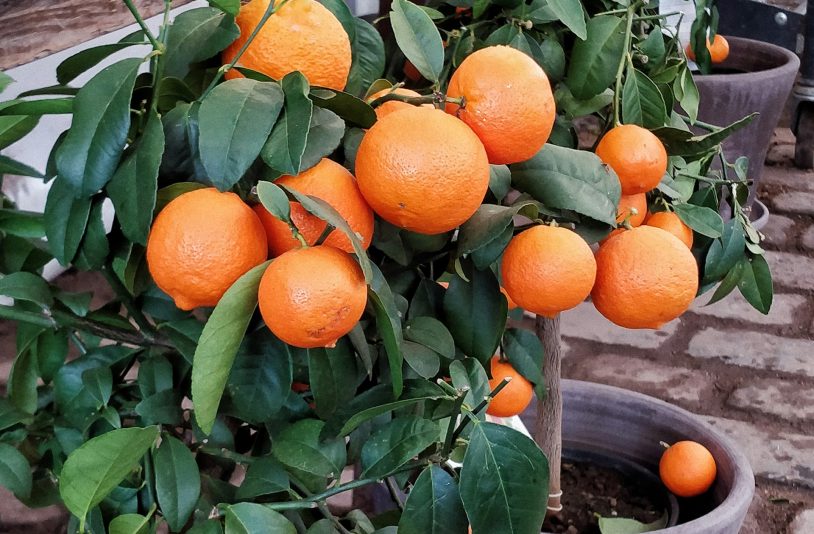
You can easily grow fruits like strawberries, blueberries, and even small apple trees at home. With a little care, these plants thrive and are easy to maintain. Growing your own fruit can also save you money and taste better than what you buy at the store.
This guide will provide easy tips to help you get started. Want to find out more? Just keep reading.
Jump to Section [Hide]
Easy Fruits to Grow at Home
Growing fruits like berries, citrus, or dwarf fruit trees at home is simple—and it’s a great way to fill your space with life and flavor.
1. Strawberries
Strawberries are sweet and perfect for home gardens. They grow well in containers, hanging baskets, or window boxes. You need sunny spots with well-drained soil. These fruits often grow quickly, producing berries in the first year.
Try planting varieties such as the full-season collection for June-July harvests, or ‘Just Add Cream,’ which bears flowers and fruit from June to September. Their compact size makes them great for small spaces.
Strawberry plants also fit nicely among your bedding plants or alongside veggies like tomatoes.
2. Blueberries
Blueberries thrive in containers or small spaces. They need moist, acidic soil with a pH of 4.5. Use ericaceous compost to maintain the correct acidity. Rainwater works best for watering since tap water can raise the pH.
Plant them 4-6 feet apart if you have space outdoors. Expect mature plants to reach 8-10 feet tall and 3-4 feet wide. Try varieties like ‘Duke’ for easy care, ‘Top Hat’ for compact growth, or ‘Pink Sapphire’ for unique pink berries.
Growing two varieties facilitates cross-pollination and increases fruit set.
3. Raspberries
Raspberries grow fast and give fruit in the first year. They perform best in full sun and well-drained soil. Choose raised beds or large containers for good results. Summer and autumn-fruiting types are available, so you can pick what suits your space.
Pruning helps plants remain healthy and productive. Try varieties like ‘Polka’ for autumn harvests from July to October or ‘Glen Coe,’ a thornless summer type. For smaller spaces, choose dwarf varieties such as ‘Yummy,’ which grows only 45 cm tall.
Use them for jams, jellies, or as fresh snacks straight from the plant!
4. Blackberries
Blackberries are sweet and easy to grow, needing little care. They thrive in full sun but can tolerate some shade. Harvest them between June and September. Each plant can give you 1 to 2 gallons of berries if spaced about 3 to 4 feet apart.
Thornless varieties like ‘Apache’ make picking simpler with less maintenance. You can also try the dwarf variety, ‘Black Cascade,’ which grows just 45 cm tall and is perfect for pots.
Pruning is key; trim new canes at around 48 to 60 inches for more fruit and better branching. These brambles are well-suited to small gardens or as a hedge along fences.
5. Goji Berries
Goji berries are packed with nutrients. They are rich in vitamin C and protein, making them a powerful superfood. These berries tolerate salt and wind and perform well in coastal gardens.
Plant varieties like ‘Synthia’ that grow up to 2 meters tall or try ‘Sweet Lifeberry,’ which can reach 3.5 meters high with a 5-meter spread. Place the plant in a sunny, sheltered spot for best results, such as against a south-facing wall.
By August, their sweet flavor will remind you of licorice—perfect for snacks or jams and jellies!
6. Honeyberries
Honeyberries are easy to grow and packed with nutrients. They taste sweet and have high levels of antioxidants. These fruits thrive in small spaces, like gardens or containers.
Plant honeyberries in pairs for better pollination. The ‘Kalinka’ variety has scented flowers, while ‘Balalaika’ grows well in containers, staying under 3 feet tall. They ripen by early summer and are a great choice for beginners who want fresh fruit at home.
7. Currants
Currants grow well in cooler gardens. They thrive in small spaces and grow easily in containers. June, July, and August are their peak harvest months.
Choose a type based on your needs. ‘Rovada’ is a compact redcurrant that grows up to 1.2 meters tall. ‘White Versailles’ offers sweet white berries early in the season. For glossy black fruits, plant ‘Ben Connan.’ Currants are great for desserts, jams, or freezing for later use.
8. Gooseberries
Gooseberries are perfect for low-maintenance gardens. They need occasional watering during fruiting and can grow in shady spots or less productive areas. Plants like the ‘Giggles Gold’ produce fruits from July to August, while the ‘Hinnonmaki Red’ ripens between June and July.
You can enjoy gooseberries fresh, cooked in desserts, or incorporated into recipes such as Thai dishes. These plants thrive in organic gardens with alkaline soil and good drainage. Gooseberry bushes also work well as hedging or borders due to their dense growth.
9. Dwarf Apple Trees
Dwarf apple trees are perfect for small spaces. They grow well in gardens, on patios, or even in large pots. These compact trees require fertile, well-drained soil and at least 6 hours of sunlight per day.
A sunny spot will ensure healthy growth and more apples.
Prune them in winter to keep their shape and boost fruit production. The ‘Duo Patio Fruit Tree’ is a great self-pollinating choice with two apple types on one tree. ‘Appletini’ features small red fruits and pink blossoms that are equally beautiful.
Harvest fresh apples from mid-summer to late autumn straight from your yard!
10. Dwarf Fig Trees
These trees are well-suited to small spaces such as balconies or patios. They prefer sunny spots, especially near south or west-facing walls. Containers help manage their size and boost fruit production.
Varieties like ‘Brown Turkey’ and ‘Little Miss Figgy’ are great options. ‘Little Miss Figgy’ grows up to 1.8 meters tall and may give you two crops each year. Prune these trees to a manageable height of 10–12 feet, if needed.
Their fruits ripen from late summer to early fall and thrive in soil with a pH around 6. Protect them from frost during colder seasons for better results!
11. Dwarf Citrus Trees
Dwarf citrus trees are ideal for small spaces. You can grow them in containers indoors or on a balcony. Lemons, limes, and oranges thrive in zones 6–10 with enough sunlight. Kaffir lime trees produce fruits and leaves that you can eat.
Use pots with good drainage to prevent root rot. Add grow lights if the area lacks natural light. Hand pollination using a brush may help indoor lemon or lime flowers set fruit. These trees also add beauty to your home while giving fresh produce!
Factors to Consider Before You Start
Think about where you’ll grow your fruits—outdoors or indoors. Make sure plants get what they need, like light and good soil!
Space Availability: Garden, Balcony, or Indoors
Pick fruits based on your space. A garden works well for bushes such as raspberries or blackberries. Smaller areas, like balconies, suit dwarf plants such as ‘Little Miss Figgy’ fig trees and ‘Appletini’ apples.
Indoors? Try alpine strawberries in pots or a mulberry bush pruned every six months. For compact options, choose blueberries like ‘Top Hat,’ which grow just 60 cm tall. Keep containers in direct sunlight for optimal growth.
Climate and Hardiness Zone
Check your hardiness zone before planting fruit. This tells you what grows well in your area. Apples and persimmons are suitable for a range of climates, from zones 6 to 10. For cooler areas, try blackcurrant varieties like ‘Ben Connan.’.
Coastal gardens can accommodate goji berries, as they tolerate salt and wind. Muscadines thrive in the Southeast’s heat and humidity. Lemon trees grow indoors or outdoors if you live in zones 6 to 10.
Always match fruits with your local weather for the best results!
Sunlight and Drainage
Fruits need sunlight to grow well. Most soft fruits, such as strawberries and raspberries, require at least 6 hours of sunlight per day. Cape gooseberries also thrive with this amount when grown from seed indoors.
Figs and goji berries love sunny spots near south-facing walls for warmth.
Drainage is just as important as sunlight. Use raised beds or containers with holes if you have poor soil. Plants like blackberries and blueberries prefer well-drained soil to avoid root rot.
Avoid overwatering by using soaker hoses or trickle irrigation systems for steady moisture without flooding the roots.
Time and Maintenance Requirements
Some fruits need less care, making them great for busy gardeners. Strawberries, blackberries, and autumn-fruiting raspberries grow fast and even fruit in the first year. Gooseberries only need a bit of watering during their fruiting season.
Apple trees are low-maintenance but deliver plenty of fruit. Mulberry bushes can be grown indoors if pruned every six months. Figs also stay manageable when cut back to around 10-12 feet tall.
Many plants resist diseases, so pruning is rare and easy.
How to Grow Fruits Successfully at Home
Give your fruits the right soil, enough sunlight, and proper care—they’ll thrive with a little effort!
Choosing the Right Soil and Container
Use the right soil for your fruit plants. Strawberries and blueberries grow well in pots but need specific soil. Blueberries like acidic soils with a pH of 4.5, such as ericaceous compost.
Figs do best in soil with a pH around 6; they also thrive in containers that keep roots tight.
Pick containers based on plant size and type. Dwarf citrus trees, apple trees, and fig trees fit well in large pots or raised beds. Calculate how much soil you’ll need before planting to avoid waste.
Use nutrient-rich mixes, such as Coastal Premium Blend, to support healthy growth. Always ensure the container has drainage holes to prevent soggy roots.
Ensuring Proper Sunlight and Airflow
Pick a sunny spot for your plants. Most fruits, such as figs and goji berries, grow best with at least 6 hours of sunlight per day. A south-facing wall or balcony provides good warmth and light.
Make sure there is good airflow around the plants. This helps prevent mold and disease, especially in tight spaces such as balconies or small gardens. Mulberries and alpine strawberries thrive with proper space to breathe.
Watering and Drainage Tips
Water your plants correctly to protect their roots. Blueberries like moist soil but need good drainage. Use rainwater when possible, as it helps keep the soil acidic for them. Strawberries need regular watering, but too much can cause root rot.
Always check that containers have drainage holes at the bottom to prevent overflow. Raspberries grow best with proper drainage in raised beds or pots. Gooseberries don’t need much water except during fruiting time.
Pruning and Supporting Your Plants
Prune your fruit plants to keep them healthy and productive. Prune apple trees in winter to promote growth and fruiting. Trim blackberry cane tips when they reach 48–60 inches tall for better branching.
Pomegranate bushes require early pruning to develop strong, compact growth.
Support helps plants grow upright and keeps fruits off the ground. Use stakes or trellises for raspberries, blackberries, and figs. Mulberry bushes in pots should be pruned every six months for control.
Regular thinning ensures proper airflow, which helps prevent diseases such as verticillium wilt.
Pest and Disease Prevention
Check your plants regularly for pests such as aphids or spider mites. Remove them by spraying water or using insecticidal soap. For slugs, place crushed eggshells around the base of the plant.
Remove dead branches to prevent disease spread. Good airflow helps prevent fungal infections like mildew. Use organic methods, such as neem oil, to protect your plants while keeping helpful insects safe.
Indoor fruit trees may require hand pollination, which also reduces exposure to pests.
Why Grow Fruits at Home?
Growing fruits at home saves money, gives you healthier food, and fills your days with a fun hobby—learn how to start now!
Save Money on Grocery Bills
Growing fruits like strawberries, blueberries, or dwarf apple trees at home can save you cash. You avoid high grocery store prices and opt for fresh fruit instead. Planting perennial plants such as raspberries or blackberries means they come back year after year without additional costs.
Regrow vegetables like potatoes or garlic from scraps to reduce food waste and stretch your budget. Use containers in small spaces, such as balconies or indoors, to grow houseplants, including chili peppers or ginger root.
Every little bit adds up over time!
Enjoy Fresher, Healthier Produce
Homegrown fruits are packed with nutrients. Blueberries and honeyberries provide antioxidants that boost your health. Goji berries add vitamin C and protein to your diet. These superfoods are easy to grow at home and offer higher quality than store-bought options.
Fruits like currants, figs, and gooseberries taste fresher when picked from your garden. They also offer more nutritional value than grocery produce. You control how they grow, so no harmful chemicals come into contact with them. Enjoy the fresh flavors right at home while staying healthy.
Fun and Rewarding Hobby
Growing fruits at home is exciting and satisfying. You watch seeds or grafted plants turn into thriving, fruit-bearing greenery. Every day brings a new discovery, from the first blossom to ripened fruit ready for picking.
Indoor options such as alpine strawberries or container-grown citrus trees make it easy to grow year-round. Adding fruits, such as raspberries or blueberries, also enhances garden beauty with minimal effort.
Share your progress online and inspire others to start their journey too!
The Bottom Line
Growing your own fruits at home is simple and fun. You can enjoy fresh berries, apples, figs, or citrus right from your garden or balcony. It saves money and provides healthier snack and meal options.
Plus, it’s a rewarding hobby that brings color and life to your space! Start small, care for your plants well, and watch them thrive.