Share
Share Facebook
  Twitter
  LinkedIn
  Pinterest
  Email
Email 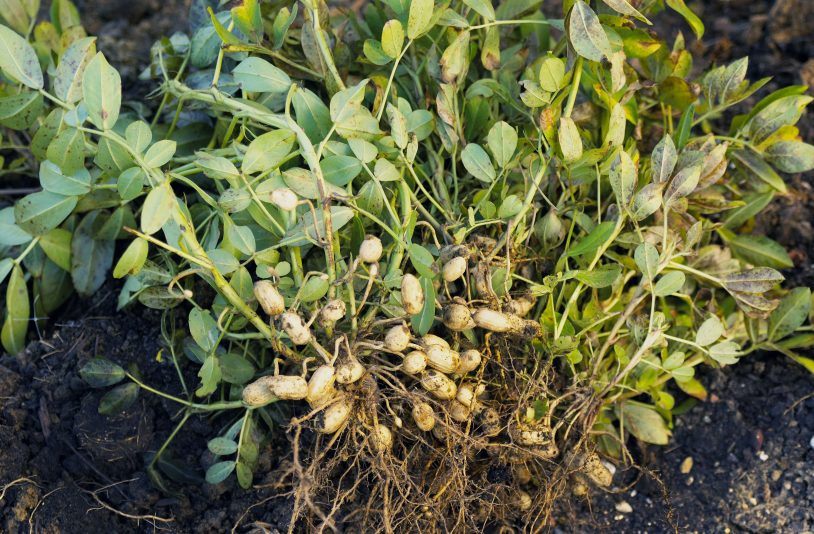
Peanuts are super fun and surprisingly easy to grow, especially if you live in a warm, sunny area. What makes them extra cool is that they grow underground, which is pretty different from most other plants in your garden.
In this guide, we’ll walk you through everything you need to know, from picking the right variety to planting, caring for your plants, and harvesting your very own peanut crop. Whether you’re a first-time gardener or just looking to try something new, growing peanuts might just be your next favorite garden adventure!
Keep reading to get started and grow your own peanut crop!
Jump to Section [Hide]
Understanding the Peanut Plant
Peanuts are legumes, not nuts, and grow from a plant called Arachis hypogaea. What’s fascinating is that after flowering, the pods develop underground!
Botanical basics and growth stages
Peanut plants, classified as *Arachis hypogaea*, belong to the legume family. They grow as short bushes, reaching 1-2 feet tall and spreading about 3 feet wide. Bright yellow flowers bloom above ground and self-pollinate within 25-40 days of planting.
After pollination, a peg forms and pushes the fertilized ovary into the soil, initiating pod development.
Pod growth occurs underground and takes 90-110 days to mature, depending on the variety. Germination starts in just 5-10 days after planting, but stays slow for the first month. Growth speeds up from day 40 to day 100.
You’ll notice pegs entering the soil about one week after fertilization, while pods continue forming below until harvest time arrives at around day 120–150.
Fun facts about how peanuts grow underground
Peanuts are legumes, not nuts. They grow their pods underground after flowering. Once pollinated, a unique stalk called a “peg” forms. This peg pushes the fertilized ovary into the soil, where pod development begins about 1–2 inches deep.
The peanut plant grows flowers above ground while its fruit develops below. Each plant can spread up to 3 feet. This creates space for multiple pegs and pods. Peanuts also enrich the soil with nitrogen using *Rhizobium* bacteria in their root nodules, which benefits future crops planted in that area!
Choosing the Right Peanut Variety
Picking the right peanut type makes a big difference. Each kind has unique traits that suit different needs and spaces.
Runner, Virginia, Spanish, and Valencia types
Runner peanuts are perfect for peanut butter. They have two medium seeds per pod and ripen early. For example, varieties like AT 215 are popular in the U.S., thanks to their ease of growth and high yields.
Virginia types have large pods with excellent flavor, making them ideal for roasting or boiling. These give a high yield, so they’re great for snacking. Spanish peanuts are smaller, with 2–3 nuts per pod, but they pack more oil, perfect for candies and baked goods.
Valencia types stand out for their sweet taste and 3–5 seeds per pod; they mature in about 100–130 days and work well in shorter growing seasons.
Best varieties for home gardens or small-scale farming
Early Spanish peanuts are an excellent choice for home gardens. They mature faster in 90–130 days and produce smaller, tasty nuts. Valencia types, like Georgia Red or Georgia Valencia, are also popular, with sweet flavors that are perfect for fresh eating.
These varieties thrive even in northern gardens due to their shorter growing season.
Virginia peanuts work well if you want larger pods. Jumbo Virginia or Early Virginia takes about 120–130 days to mature. They are easy to manage and yield plump nuts for roasting or boiling.
Choose disease-resistant varieties like Bailey or Wynne for healthier plants on small plots.
Preparing the Growing Site
Peanuts need the right weather and space to grow well. Choose a spot with full sunlight and warmth for vigorous, healthy plants.
Climate and temperature considerations
Peanut plants need warm weather and consistent temperatures to grow well. They thrive in areas with 100–140 frost-free days, depending on the variety. Plant peanut seeds after your area’s last frost date when the soil warms up to at least 65°F.
The first week of May works best for many regions.
Avoid planting after June 1, as peanuts might not mature in time. In colder northern zones, start seeds indoors 5–8 weeks before the last frost. Use season-extending tools like cold frames or hoop houses if you live in a short-growing season.
Keep your site free from heavy frosts and pick a spot that gets full sunlight throughout the day!
Sunlight and space requirements
Peanut plants need full sun every day to grow well. Find a sunny spot that is sheltered from strong winds for the best results. Without sufficient sunlight, pegging weakens, and pod development slows.
Each plant can spread up to 3 feet, so give them plenty of room to grow. Space seeds about 18 inches apart in home gardens or four seeds per mound. If planting in rows, leave at least 20 inches between them.
For containers, use pots at least 18 inches deep and wide to allow proper root growth and peg penetration.
Soil Preparation
Peanuts thrive in soil that lets water drain easily. Mix natural compost with the dirt to boost its health and help your plants grow strong.
Ideal soil type (light, sandy, well-draining)
Use light, well-draining soil to grow peanuts. Loose soil helps the pegs penetrate easily and supports pod development. Avoid heavy clay soils since they hold too much water.
If you have clay-heavy areas, mix in compost or grit to improve drainage.
Test your soil’s pH before planting. Peanuts prefer slightly acidic soil with a pH of 5.8-6.2 for healthy growth. Turn the soil at least 8–12 inches deep so roots can spread freely.
Adding organic matter, such as compost, boosts structure and fertility, making it ideal for peanut plants to thrive!
pH level and soil testing
Peanuts thrive in slightly acidic to neutral soils with a pH of 6.0–6.5. Test your soil in the fall or early winter to check acidity levels and nutrient needs. If the pH is too low, apply lime two to three months before planting peanuts to balance it.
Proper soil testing helps you avoid problems like calcium deficiency, which can cause unfilled pods or pod rot.
Use gypsum if you’re growing large-podded varieties like Virginia peanuts, since they need extra calcium for healthy pod development. Check your results carefully to decide which phosphorus and potassium fertilizers are best added during fall preparation.
Keeping the pH right boosts growth while protecting against diseases affecting peanut plants.
Improving soil with compost or organic matter
Mix 1 inch of compost into the top 6 inches of soil for better fertility. This helps sandy soil hold water and nutrients while preventing compaction in heavy soil. Deep tilling, up to 12 inches, also improves aeration and drainage.
Add organic matter to support Rhizobium bacteria, which aid in nitrogen fixation for peanuts. Compost reduces the risk of fertilizer burn compared to synthetic fertilizers and helps build healthy root systems.
Well-prepared soil allows deeper peg penetration and more pods during peanut development.
Planting Peanuts
Plant peanuts when the soil is warm and frost-free. Space the seeds properly to give them room to grow strong pods underground.
When to plant (based on frost dates and temperature)
Start sowing peanut seeds after the last frost in spring. Soil should warm to 65–70°F for the best germination. In northern zones, begin indoors 5–8 weeks ahead of this date to get a head start.
Move plants outside only when frost risk ends.
Avoid planting after June 1, as peanuts need time to mature before cooler weather arrives. Early May is ideal for most areas. In South Carolina, plant between April and late May on the Coastal Plain, or from May through June in the Piedmont.
You can extend growing time with hoop houses or cold frames, but remove them once flowers appear.
How to prepare and plant peanut seeds
Use fresh, raw peanuts still in their shells. Avoid roasted or boiled ones as they won’t germinate. If planting directly in the garden, loosen the soil and ensure it’s sandy, well-draining, and slightly acidic with a pH of 6.0-6.5.
Mix compost or organic matter into the bed to improve nutrient availability.
Plant seeds 1 inch deep and 18 inches apart in mounds or rows spaced three feet apart. For rows, use five peanut shells per foot to maximize spacing. Keep soil moist but warm at least 65°F before planting for quick germination.
Adding *Rhizobium* bacteria to seeds naturally boosts nitrogen fixation and plant growth!
Proper spacing and planting depth
Plant peanut seeds 2–3 inches deep in sandy soil and 1–2 inches deep in clay soil. Keep rows at least 20 inches apart for better air circulation and plant growth. For twin rows, space them 7–12 inches apart, with a center-to-center spacing of 36 inches.
This helps prevent diseases like leaf spot while supporting intense peg penetration.
In mounds, plant four seeds per mound with an 18-inch gap between each mound. If using containers, choose pots that are at least 18 inches deep and wide to allow proper root spread.
Proper depth ensures germination success, while spacing helps reduce competition for nutrients and sunlight among plants.
Caring for Peanut Plants
Take care of your peanut plants by watering them properly, feeding them with the proper nutrients, and keeping weeds away.
Watering schedule and drought tolerance
Give your peanuts 1 to 2 inches of water each week. This is most important during pegging (60-110 days) and as pods fill from day 110 to harvest. Keep the soil moist without soaking the leaves to avoid disease.
Stop watering about 10 days before harvesting. Allowing the soil to dry helps naturally cure the peanuts. Mulch can help retain moisture, reducing how often you need to water. Drought during key stages, like pegging or pod filling, hurts yields, so stick to a steady schedule for best results!
Fertilizing tips (less nitrogen, more calcium/boron)
Use low-nitrogen fertilizers, as peanuts already get nitrogen from *Rhizobium* bacteria. Too much nitrogen can burn the leaves and reduce pod development. If your soil shows signs of nitrogen deficiency, add a small amount, like 3-4 pounds of 34-0-0 fertilizer per 1,000 square feet.
Calcium is critical for good peanut growth. Spread gypsum over the soil to supply calcium, especially for Virginia peanuts. This helps prevent unfilled pods and reduces rot issues during pod development.
If needed, add boron based on your soil test to avoid hollow kernels or stunted growth. Avoid applying too much fertilizer directly to plants, as it may cause plant burn.
Hilling and managing the soil over the pegs
Hill up soil around peanut plants once they reach about 12 inches tall. This supports the pegs and keeps them secure for pod development. Use loose, moist soil to ensure pegs can easily penetrate.
Avoid deep digging at this stage, as it might harm developing pods.
Mulch with straw to retain moisture and reduce weed growth during pegging. Keep the area weed-free to prevent competition for nutrients and space. Hilling also shields pods from sunlight, which can cause damage or attract pests such as fungus gnats.
Proper hilling boosts your yield by supporting more healthy pegs and pods.
Weed control and mulching
Keep the soil around your peanut plants clear of weeds. Weeds compete for nutrients, water, and sunlight, which harms growth. Early stages are crucial. After pegging starts, avoid deep digging to protect the pegs.
Use 2–3 inches of mulch, like straw or compost, to suppress weeds and retain moisture. Organic mulch helps regulate soil temperature while reducing splash-up of diseases onto leaves.
In containers, hand-weeding is necessary for clean growth. Dense planting can also naturally shade out weeds over time.
Common Problems and Solutions
Peanuts can be affected by pests such as aphids and cutworms, which can harm growth. Watch for diseases such as leaf spots or root rot.
Pests that affect peanuts (cutworms, aphids, etc.)
Cutworms, armyworms, and wireworms often damage peanut plants. These pests chew leaves, stems, or roots. They can reduce pod development and crop yield. Soil insects, such as grubs, feed on developing pods underground, making control harder.
Use crop rotation to prevent the buildup of soil pests.
Aphids suck sap from leaves, causing leaves to yellow and grow distorted. Their sticky honeydew may lead to sooty mold infections. Blast them off with water or attract ladybirds to eat them.
Red spider mites leave webbing behind and bleach the leaves in dry conditions. Inspect plants regularly for signs of trouble to catch infestations early.
Common diseases (leaf spot, root rot)
Leaf spot shows as brown or black spots with yellow halos on leaves. It can cause the plant to lose its leaves if untreated. To prevent this, avoid overhead watering and always water early so leaves dry during the day.
Some peanut varieties are more resistant to leaf diseases, making them a good choice for planting.
Root rot happens from too much water or poorly drained soil. This disease damages roots and weakens plants. Test your soil drainage regularly before planting peanuts. Rotate crops annually to reduce risk, especially after growing other legumes such as beans or peas.
Healthy plants fight off diseases better!
Organic and chemical control methods
Use crop rotation to keep pests and diseases in check. Resistant peanut varieties, such as Virginia peanuts, can help prevent many issues. For aphids, use a hose to wash them off or attract ladybirds for natural control.
Mulch helps prevent soil splash, reducing fungal problems like leaf spot.
In severe cases of disease outbreaks, apply fungicides carefully to protect your plants. Plastic mulches can block weeds and pests while keeping the ground clean. Remove any infected plants or pods immediately to prevent the spread of diseases such as root rot.
Always consult local Extension services for proper pest identification and recommended treatments.
Harvesting Peanuts
Watch for yellowing leaves, then it’s time to dig up your peanuts and uncover the pods hiding beneath the soil!
Signs that peanuts are ready to harvest
Peanut plants show they are ready when their foliage turns yellow and wilts. Weak pod stems or sudden leaf yellowing mean it’s time to act fast. Harvest most varieties 130–150 days after planting for the best results.
Check the peanut pods closely. Scrape the saddle of a pod, where it touches the soil; if 65–70% of pods have dark brown or black interior hulls, they are ripe. Pods should feel full and firm.
Immature peanuts will appear pale pink or white inside, while mature ones often have a copper-red seed coat.
How to carefully dig up and collect the plants
Loosen the soil around the peanut plants using a spading fork or shovel. Be careful not to damage the pods under the surface. Gently lift each plant by hand, holding it near the base of the stem.
Shake off any loose soil, then place the plant upside down on dry ground with the pods exposed.
For container-grown peanuts, remove the whole root ball and lightly shake away excess dirt. Use gloves to protect your hands from sharp debris in the soil. Check for leftover pods still buried in the ground, as missing these can lead to losses or rotting later.
Always harvest before heavy rain to avoid problems like pod rot or soggy conditions that make digging harder.
Drying and Curing Peanuts
Dry your peanuts slowly in a warm, dry spot to prevent mold. This step keeps them fresh and ready for long-term use!
Proper curing process to avoid mold
Lay the peanut plants upside down in the sun for one week. This helps with initial drying and reduces moisture in the pods. After a week, remove the pods from the plants and transfer them to a cool, dry area.
Use mesh bags or loose containers to allow airflow around the peanuts. Avoid stacking them too densely, as this can trap moisture. Cure them for an additional 2–3 weeks in this setup, ensuring proper air circulation.
Keep storage conditions between 35–40°F with 50–60% humidity. Discard any pods showing mold or rot during curing. If possible, use a moisture meter to ensure safe levels before storing or shelling peanuts after 4 weeks of curing.
Tips for drying peanuts for storage or roasting
Dry peanuts right after harvesting to avoid mold. Cure them for at least two weeks by spreading them on mesh racks or hanging the plants in a dry, well-ventilated area. Make sure pods feel crisp and brittle before storing.
For roasting, use only thoroughly dried nuts. Wet or under-cured peanuts can ruin the flavor. Store dried peanuts in an airtight container at room temperature for up to a month, or refrigerate for 6 to 12 months.
Keep roasted ones in a cool, dark place to lock in their freshness.
Storing and Using Homegrown Peanuts
Store your peanuts in a cool, dry place, then roast, shell, or toss them into recipes for tasty snacks!
Shelling, roasting, or storing raw
Shell peanuts only when needed to keep them fresh. Use airtight containers to block moisture and pests. For raw storage, keep the temperature at 35–40°F and the humidity at 50–60% to extend shelf life.
At room temperature, peanuts last about 3–4 weeks, while refrigerated ones can last 6–12 months.
Roast whole peanuts in an oven at 350°F for 13–18 minutes. Adjust the time if you’re roasting shelled nuts instead. Always cure and dry your harvest thoroughly before storing or using it; this prevents mold growth.
Discard any nuts showing signs of rot, mold, or insect damage to avoid contamination.
Recipes and ideas for fresh peanuts
Roast fresh raw peanuts at 350°F for 13 to 18 minutes. They make great snacks or toppings for salads and desserts. Sprinkle them with salt, honey, or your favorite spices before roasting for extra flavor.
For shelled peanuts, reduce the cooking time since they roast faster.
Boiling is another tasty option. Boiled peanuts have a soft texture and a unique taste. Add fresh cilantro, salt, and garlic to the boiling water for more flavor. You can also grind roasted peanuts into homemade peanut butter or toss them into stir-fries with vegetables like broccoli or carrots.
Fresh peanuts are versatile ingredients that bring creativity to any meal!
Final Tips
Growing peanuts is a fun and rewarding process. With the right soil, sunlight, and care, you can enjoy fresh peanuts from your garden. Pay attention to timing for planting and harvesting for the best results.
Get started now, and soon you’ll taste the fruits of your hard work!