Share
Share Facebook
  Twitter
  LinkedIn
  Pinterest
  Email
Email 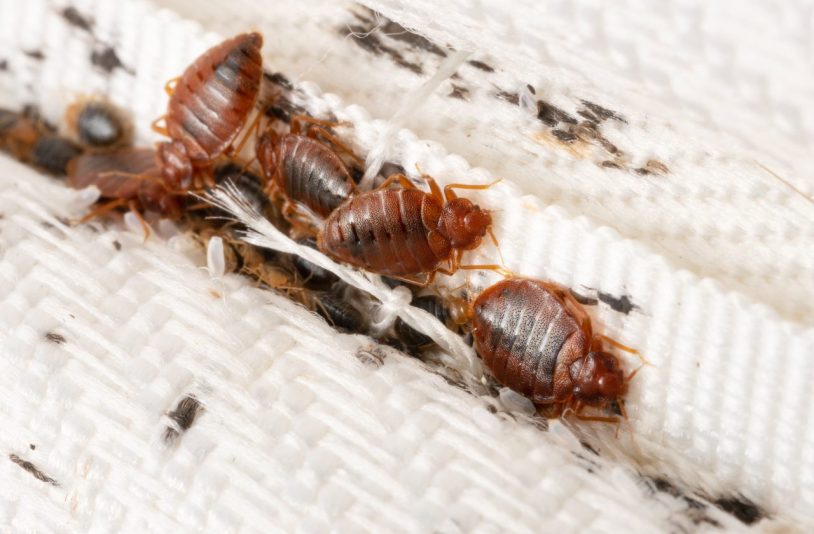
Bed bugs are one of those problems that can sneak up on you and quickly turn into a major headache. One day you’re sleeping soundly, and the next you’re waking up with itchy bites and spotting tiny bugs where you least expect them. Annoying, right?
You can get rid of them, and you don’t need to panic. Whether you’ve seen the signs or want to be ready, this guide will show you everything you need to know to get rid of bed bugs for good.
Let’s get started and take back your peace of mind (and your bed)!
Jump to Section [Hide]
Initial Preparation
Clear your space to make the process easier. Check every nook where bedbugs might hide, be thorough!
Declutter and seal belongings
Get rid of clutter to reduce hiding spots for bed bugs. Sort your items and remove unnecessary things. Place all infested belongings in sealed plastic bags or containers for treatment. Store untreated items, such as certain fabrics, in airtight bags for up to a year.
Seal furniture cracks and crevices with silicone caulk to prevent movement. Keep everything clean and organized as you work. Bed bugs love tight spaces, so fewer items mean fewer hiding places.
Inspect common hiding spots
Check cracks and seams in mattresses, sofas, and chairs. Peek into curtain folds, drawer joints, and baseboards. Bed bugs often hide near their food source. Look for tiny black droppings or pale yellow eggshells.
Don’t miss carpets or electrical outlets. Appliances can also serve as sneaky spots. Inspect nearby rooms if you live in a multi-unit building; they could spread easily between units through walls or pipes.
Use a flashlight to spot shed skins or small blood stains left behind by these pests.
Isolate the bed and furniture
Move your bed and furniture away from the walls. This makes it harder for bed bugs to crawl onto them. Keep linens off the floor or other surfaces. Make sure they only touch the legs of your furniture.
Place interceptor traps under each leg of beds, chairs, and sofas. These traps catch bed bugs as they try to climb up. Clean the traps weekly to check for activity and stop further spread.
Use zippered covers on mattresses and box springs for at least a year to trap any pests that may be hiding inside.
Cleaning and Physical Treatments
Cleaning is a big step in fighting bed bugs. You’ll need heat, persistence, and the right tools to tackle infested areas effectively.
Wash and heat-treat bedding and clothing
Wash all bedding, curtains, and clothing in water hotter than 120°F (60°C). Run them through a clothes dryer on high heat for at least 30 minutes. This kills bed bugs and their eggs.
For items you can’t wash, like stuffed animals or shoes, use the clothes dryer on high for the same amount of time.
In hot climates, seal non-washable items in plastic bags and leave them inside a car parked in direct sunlight. Temperatures must reach at least 120°F (48.9°C) to work. After cleaning, store everything in sealed plastic bags to avoid reinfestation.
Use steam cleaning and freezing methods
Use a steam cleaner at over 130°F to kill bed bugs on mattresses, furniture, and carpets. Focus on baseboards and other hiding spots, too. Avoid strong airflow; use a diffuser to stop bugs from spreading.
Do not rush this process, as the heat must penetrate deeply into the fabrics.
For freezing, seal infested items in airtight bags. Place them in a freezer set at 0°F for at least three days. Home freezers may not maintain proper temperature levels, so check your thermostat beforehand.
These methods help prevent allergic reactions, such as hives or breathing issues, caused by harmful pests in your home!
Vacuum and scrub infested areas
Vacuum mattresses, bed frames, carpets, and cracks daily. Scrub seams and crevices with a stiff brush first to remove eggs and bugs hiding inside. Focus on the edges of beds or tight spaces where they linger most.
Dispose of vacuum bags immediately in sealed plastic bags. Put them in outdoor trash to prevent re-infestation. Repair peeling wallpaper or plaster after cleaning to reduce hiding spots further.
Pair this method with others, such as heat treatments, for better results!
Chemical and Preventive Tools
Use safe sprays, mattress covers, and sealing cracks to stop bed bugs. Learn how these steps can protect your home.
Apply insecticides labeled for bed bugs
Choose insecticides explicitly labeled for bed bugs. Make sure they are registered with the EPA. Follow the instructions carefully to avoid misuse or health risks. Never use rubbing alcohol, gasoline, or kerosene, as these are unsafe and won’t work.
After applying, check for bed bugs every few days. If you still see signs of them, consider using a different type of pesticide for retreatment. For large infestations, call an experienced exterminator who knows how to handle bed bugs effectively.
Encase mattresses and box springs
Use tightly woven, zippered encasements to cover your mattress and box spring. These covers trap bed bugs inside, starving them over time. Leave the encasements on for at least one year to ensure success.
Check regularly for holes or tears and repair or replace them as needed.
Encasing makes routine inspections easier by removing hiding spots. It also prevents new bugs from entering mattresses or from escaping to feed. Protective mattress covers are a simple yet effective pest management tool that helps stop infestations in their tracks.
When to Seek Professional Help
Call a licensed exterminator if bed bugs keep spreading after your treatments. Professionals use strong pesticides and whole-room heat methods that kill all life stages of bed bugs.
These tools are not available in stores.
Get expert help in homes with clutter or people unable to assist fully. Multi-unit buildings need coordinated treatments, so professional involvement is often necessary. Be careful with store-bought chemicals.
Incorrect use can worsen infestations or harm your health, causing asthma or skin issues like cellulitis. Always check the company’s license and experience before hiring them for bed bug control services.
Preventing Future Infestations
Keep bed bugs out by staying alert and taking simple steps. Protect your space and your peace of mind every day.
Travel tips: inspecting hotel rooms and luggage
Place your luggage on stands or tables, away from beds and walls. Check the mattress seams, headboards, and nearby furniture for small brown spots or tiny bugs. Shine a flashlight if needed to spot them easily.
Wash all clothing in hot water as soon as you return home. Dry on the highest heat setting to kill any hidden pests. Use plastic bags when carrying laundry in shared facilities, then fold clothes back at home to stay safe.
Regular home inspections
Check your home regularly for bed bugs. Look for blood stains, black droppings, shed skins, eggshells, or a musty smell. Pay attention to seams and folds in mattresses, baseboards, electrical outlets, and corners of furniture.
Use bed bug interceptor traps under beds at least every 7 days. Clean these traps regularly. Record sightings with dates and locations to track any issues over time. Continue inspections for up to one year after treatment for peace of mind.
Avoiding secondhand furniture
Inspect every piece of used furniture carefully before bringing it home. Bed bugs like to hide in seams, cracks, and crevices, especially in mattresses and upholstered items. Avoid buying secondhand bedding or mattresses altogether; these are common hiding spots for infestations.
If you buy used furniture, treat it first with heat or freezing methods. High heat kills bed bugs quickly. Destroy heavily infested furniture before discarding it. Mark “Bed Bugs” on the item so no one else takes it unknowingly.
Stick to new items when possible to lower your risk of an infestation!
Using protective mattress covers
Use tightly woven, zippered mattress covers to keep bed bugs out. These covers stop bugs from hiding in your mattress and box springs. They also trap any bugs already inside, cutting off their food source.
Leave the covers on for at least a year to ensure all bugs and eggs are dead.
Check the covers regularly for holes or damage. Fix any rips right away to maintain protection. Covers make it easier to spot infestations early by reducing hiding places. They act as a simple, non-chemical barrier that helps prevent future bed bug problems.
Sealing cracks in walls and furniture
Seal cracks and crevices with silicone caulk to prevent bed bugs from hiding or moving. Check walls, baseboards, and furniture joints for tiny gaps. These spots give them perfect places to hide.
Glue down any peeling wallpaper and quickly fix plaster cracks.
Install door sweeps on apartment doors to block their spread between units. Also, seal gaps near windows and outlets for added protection. Regularly inspect these areas to catch problems early.
Keeping cracks sealed helps prevent new infestations and keeps your home safe in the long term.
Final Tips
Getting rid of bed bugs takes effort, but you can do it. Clean your home, treat affected areas, and use the right tools. Stay alert to prevent them from returning.
Simple steps like sealing cracks and checking secondhand furniture go a long way.
Take action today for a bug-free home!