Share
Share Facebook
  Twitter
  LinkedIn
  Pinterest
  Email
Email 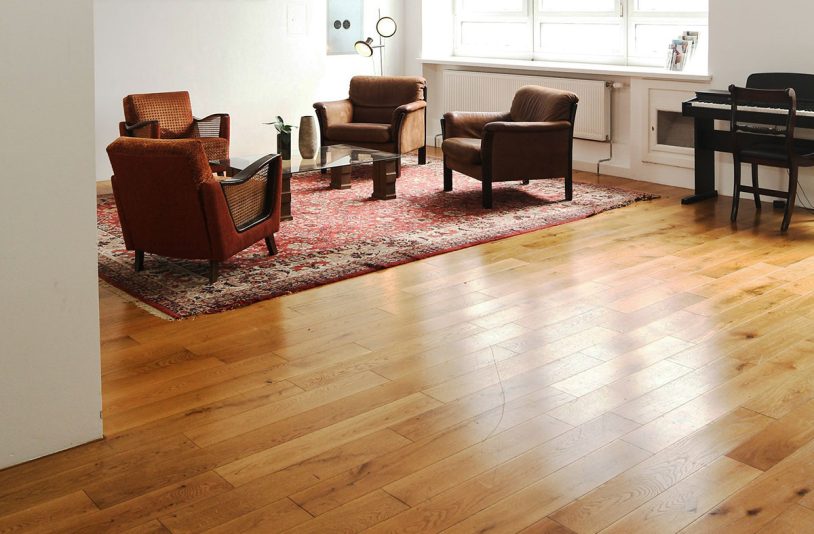
Keeping wood floors clean sounds simple. Until you actually start cleaning them. One wrong product, too much water, or the wrong mop, and suddenly your beautiful floors look dull, streaky, or scratched.
Wood floors do not need complicated routines or strong cleaners to look good. With the right tools, a simple cleaning plan, and a few good habits, you can keep them shiny, smooth, and looking nice for years.
Ready to make those floors look their best? Keep reading!
Jump to Section [Hide]
- Understand Your Wood Floors
- Gather the Right Cleaning Tools and Products
- Prepare the Floor Before Cleaning
- Daily Cleaning Routine for Wood Floors
- Weekly or Bi-Weekly Cleaning Routine
- Monthly and Seasonal Deep Cleaning
- How to Handle Spills, Stains, and Sticky Messes
- Preventive Maintenance to Protect Wood Floors
- Common Mistakes to Avoid When Cleaning Wood Floors
Understand Your Wood Floors
Different wood floors need different care. Learn what type of finish and material you have first.
Solid vs. engineered hardwood
Solid hardwood is made from one piece of wood. It can be sanded and refinished many times. This makes it great for long-term use.
Engineered hardwood consists of multiple wood layers glued together. The top layer is real wood, but the bottom layers are not. It handles moisture better than solid hardwood, making it well-suited for damp areas such as basements and kitchens.
Both types need regular care to stay beautiful!
Finished vs. unfinished wood
Finished wood has a sealed surface. It resists water and dirt better. A protective layer, like polyurethane, covers it. This makes cleaning with a damp microfiber mop easier.
Unfinished wood lacks that seal. Water can soak in and cause damage or stains. Use little to no water when cleaning it. Use dry methods, such as sweeping or vacuuming, on these floors.
Oil-based vs. water-based finishes
Oil-based finishes add a deep, warm glow to wood. They take longer to dry and can yellow over time. These are well-suited to high-traffic areas because they provide strong protection but require more ventilation during application.
Water-based finishes dry faster and have little odor. They preserve the wood’s natural color without significantly altering it. These show scratches more easily than oil-based ones, but are easier to clean with safe cleaning products like dishwashing soap or pH-neutral cleaners.
Gather the Right Cleaning Tools and Products
Select tools that are best suited to wood floors to avoid scratches or damage. Use gentle hardwood cleaners to maintain the shine.
Recommended brooms, vacuums, and microfiber mops
Use a soft-bristled broom for light sweeping without scratching hardwood floors. Try a vacuum cleaner with rubber wheels and a hard-floor setting to prevent marks or damage. Avoid models with beater bars that can harm the surface.
Microfiber mops are effective for daily cleaning, trapping dirt and dust efficiently. Bona Premium Microfiber Mop cleans 40% faster due to its large head. Opt for machine-washable mop pads for convenience and durability.
Safe cleaners for wood floors
Pick a pH-neutral hardwood floor cleaner for safe cleaning. These cleaners, like Real Clean Floors, work gently without harsh chemicals. They don’t leave sticky residue and keep your wood shiny.
The Bona spray mop is great too. It has a refillable cartridge that applies just the right amount of cleaner. Pair it with the Bona Microfiber Cleaning Pad, reusable up to 500 times, to save money and reduce waste.
Products and tools to avoid
Avoid steam mops. They can damage wood floors over time and may void warranties. Wet mops also leave excess water, which can cause the wood to warp or crack.
Do not use vinegar, ammonia, or alkaline products. These harsh cleaners ruin your floor’s finish, even when diluted. Skip supermarket oil soaps, waxes, or polishes—they leave a hazy residue and make surfaces slippery.
Prepare the Floor Before Cleaning
Clear the floor of clutter and check for any damage—it makes cleaning easier and safer!
Clear clutter and lightweight furniture
Move chairs, small tables, and any lightweight furniture off the floor. This helps you clean every corner without missing spots. Use felt pads under heavy furniture to prevent scratching of hardwood flooring.
Pick up toys, shoes, or anything scattered around. A clutter-free area makes vacuuming or microfiber mopping faster and more effective. Don’t forget to check under sofas for hidden items like dust balls or sticky spills!
Check for loose boards, nails, or damage
Look for loose boards or popped nails before cleaning. Press on the floorboards to check if they move or creak more than usual. If you find a nail sticking out, use a hammer to tap it gently back in place.
Scan for cracks, chips, or scratches that may need fixing later. Minor damage can worsen when using cleaning tools such as vacuums or mops. Spot anything sharp? Remove it to avoid scratching your wood floor while mopping or dusting with a microfiber mop.
Do a quick inspection for sticky spots and spills
Check for sticky spots, gum, or wax on the floor. Use ice to harden any gum or wax before scraping it off with a plastic card.
Wipe away spills quickly with a damp microfiber cloth. Avoid letting liquids sit too long to protect your wood floors from damage.
Daily Cleaning Routine for Wood Floors
Keep your wood floors looking great with a simple daily routine. Use tools that care for the surface without causing scratches or damage.
1. Sweep or dust mop with a microfiber mop
Dust mop your wood floor daily. This removes dust, dirt, and crumbs that can scratch the surface. Use a microfiber mop for the best results. It traps hair and fine particles without dispersing them.
Ensure the microfiber pad remains flat against the floor to prevent scratches. Do not wet it; keep it dry for dusting only. Tools like Bona Microfiber Dusting Pad work well for this task.
Regular use keeps your floors clean and protected from damage.
2. Use a vacuum designed for hard floors
Use a vacuum with a hard floor setting. This turns off the brush roll, which can scratch wood floors. Rely on suction to pick up dust and debris.
Hardwood-friendly vacuum cleaners are best for weekly cleaning. Avoid models meant for thick carpets or ones with aggressive bristles. Check that the wheels don’t leave marks as well!
3. Spot-clean small spills right away
Wipe spills immediately to stop stains and damage. Use a soft cloth or paper towel for quick clean-up. Avoid leaving liquids unattended, as they can seep into the wood and damage the finish.
For sticky spots, place ice on them until they harden. Gently scrape with a plastic tool to protect the surface. Never use harsh chemicals or soapy water; these can harm your floor’s sealant.
Weekly or Bi-Weekly Cleaning Routine
Keep your floors fresh with a regular cleaning schedule. A little effort every week can prevent buildup and keep wood looking great.
1. How to damp-mop safely
Always use a flat-floor mop with soft pads on wood floors. Spray a pH-neutral hardwood cleaner directly onto the pad or floor, not too much, though.
Wring out your mop until it’s just damp, never soaking wet. Too much water can damage wood and cause warping. Stick to weekly or biweekly mopping in high-traffic areas such as hallways and kitchens.
2. Using a pH-neutral hardwood floor cleaner
Use a pH-neutral hardwood floor cleaner, such as Bona or Real Clean Floors. These cleaners are safe and gentle for wood surfaces. Spray the cleaner directly on the floor or onto a microfiber mop pad.
Avoid soaking the wood, as too much liquid can damage it.
Damp-mop with care by wringing out excess water from your mop. A slightly dampened microfiber cleaning pad works best. Stay away from harsh chemicals, vinegar, or fabric softener in your routine.
They can dull or harm the finish of your floors over time!
3. Wringing out the mop to avoid excess water
Excess water is harmful to wood floors. It can make them warp or swell over time. Always wring out the mop well before cleaning.
A damp mop, not a dripping one, works best. After mopping, dry the floor faster with a ceiling fan or microfiber cloth to avoid damage.
Monthly and Seasonal Deep Cleaning
Give high-traffic areas extra attention and refresh dull spots to create a cleaner, brighter look.
1. Extra steps for high-traffic areas
Clean kitchens, hallways, and entryways at least once a week. These areas accumulate dirt more quickly due to heavy use. Use rugs or doormats to protect floors from scratches and grime.
Focus on edges and corners where dust hides. Vacuum under furniture regularly to prevent buildup. If the floor looks dull, use a safe wood cleaner instead of water.
2. Cleaning along edges, corners, and under furniture
Use a vacuum cleaner with attachments to get into tight corners and edges. Look for models designed for hard floors. Spray mops also help clean hard-to-reach areas between floorboards.
Move lightweight furniture to reach hidden areas underneath. Use a microfiber mop or cloth to wipe under these spaces without scratching the wood surface. Avoid excessive water during cleaning, as it can damage wood flooring over time.
3. Refreshing dull areas without refinishing
Polish your floors every 2 to 4 months. This adds shine and fills tiny scratches. High-traffic areas may require more frequent polishing; monitor them accordingly.
Avoid harsh cleaning methods that strip the finish. Instead, use a pH-neutral cleaner made for wood. Lightly buffing with a soft cloth can also restore the look of dull areas without requiring refinishing.
How to Handle Spills, Stains, and Sticky Messes
Spills and sticky messes can ruin your wood floors if not cleaned fast. Act quickly to avoid stains or damage.
Wiping up liquid spills properly
Blot spills immediately with a microfiber cloth. Press gently to soak up as much liquid as possible. Don’t rub, or you might push the liquid deeper into the wood.
Act fast to stop stains from forming. Use a safe cleaner for wood floors if needed. Avoid leaving water behind, as even small amounts can harm your floor’s finish or cause warping over time.
Dealing with food, mud, and pet messes
Clean food messes quickly to avoid stains. Use a damp microfiber pad with a safe wood floor cleaner. Wipe gently, following the wood grain.
For mud or pet waste, let it dry before sweeping it up. Use a cleaning pad and hardwood-safe product for sticky spots. Avoid soaking the floor to prevent damage. Spot-clean tough areas by hand if needed.
Addressing light stains without damaging the finish
Blot the stain right away with a soft, damp cloth. Avoid rubbing, as it may spread the mess or harm the finish.
Use a pH-neutral hardwood cleaner for stubborn spots. Apply it to a microfiber towel and gently dab at the stain. Never soak the floor; too much liquid can seep in and cause damage.
Preventive Maintenance to Protect Wood Floors
Protecting wood floors starts with simple habits. Use mats, pads, and good practices to keep them looking great.
Using rugs and mats in key areas
Place door mats at all entrances. These catch dirt and debris before it reaches the wood floors. Use thick mats with non-slip backing for safety.
Lay rugs in high-traffic spots like hallways or under dining tables. This reduces wear on the wood and prevents scratches. Pick rugs that are easy to clean, especially if you have pets or kids.
Felt pads and furniture coasters
Felt pads help protect floors from scratches. Stick them under the chair and table legs to stop damage when furniture moves. They are cheap, easy to use, and make a big difference.
For heavy items like couches or dressers, use furniture coasters or sliders. These allow you to move large pieces without scratching wood floors. Check the pads or coasters regularly; replace worn ones immediately for full protection.
Setting house rules (shoes off, pet nail trimming, etc.)
Keep shoes off the floors to stop dirt and grit from scratching your wood. Rugs or mats near doors help trap debris before it spreads.
Trim your pet’s nails often to avoid deep scratches on the surface. Clean their paws after outdoor play to reduce messes on the floor, too.
Common Mistakes to Avoid When Cleaning Wood Floors
Avoid using too much water or harsh cleaners—they can ruin your wood floors.
Using too much water or steam mops
Too much water harms wood floors. It seeps into cracks, causing warping or swelling over time. Steam mops are worse unless they’re made for wood. Hot steam can dull finishes and weaken the surface.
Stick to damp-mopping with a microfiber mop instead of soaking wet tools. Wring out mops well to avoid puddles on your floor. Protect your warranty by keeping water and steam to a minimum!
Harsh chemicals, vinegar, and abrasive scrubbers
Avoid using vinegar or ammonia on wood floors. These products, even when diluted, can harm the finish. They are too harsh and damage the protective layer over time.
Skip abrasive scrubbers. They create scratches that ruin the surface. Harsh detergents also pose a risk by stripping away the shine and breaking down finishes. Stick to pH-neutral cleaners for safe mopping instead.
Over-waxing or using the wrong polish
Too much wax can ruin your wood floors. It creates a buildup that looks dull and sticky over time. Buff the floor rather than adding more wax to restore its shine.
Using store-bought oil soaps, waxes, or polishes may also cause problems. These products leave a hazy residue and slippery surfaces. They also make refinishing harder later on, which means extra work for you.
Stick to safe cleaners made for wood floors instead!
Final Tips
Cleaning wood floors might seem like a big job, but it’s simple with the right steps. Know your floor type, use safe tools and cleaners, and follow solid routines. Treat spills fast and protect your floors with rugs or pads.
Keep up these habits to enjoy shiny, strong wood floors for years!