Share
Share Facebook
  Twitter
  LinkedIn
  Pinterest
  Email
Email 
Keeping your kitchen clean isn’t just about wiping down counters or doing the dishes. It also means giving some care to your kitchen sink. After all, it’s where all the mess goes, right? Over time, food particles, soap scum, and stains can build up, leaving your sink looking dull and even a bit smelly.
Cleaning your kitchen basin is easier than you might think, and you probably already have everything you need right at home.
In this guide, we’ll walk you through simple steps to make your sink shine again, from quick daily care to deeper scrubbing sessions.
Let’s roll up our sleeves and get that basin sparkling clean!
Jump to Section [Hide]
Supplies You’ll Need
Grab a sponge or scrub brush. Use dish soap to break down grease and grime. Baking soda works wonders for removing stains. Vinegar can help remove stubborn marks when combined with baking soda.
Stock up on microfiber cloths to buff and shine. For deep cleaning, keep hydrogen peroxide on hand. Want extra stain power? Try Bar Keepers Friend for stainless steel sinks or Comet Powder with Bleach for porcelain ones.
A sink strainer helps catch debris, keeping drains clear.
Pre-Cleaning Preparation
Start by clearing and rinsing the sink. This sets the stage for a proper clean!
Clear out dishes and debris
Remove all dishes, utensils, and pots from the sink. Leaving them there can block your work area and spread germs.
Check for food scraps or trash inside the drain. Use a sink strainer to catch any small debris before rinsing. This prevents clogs and keeps your garbage disposal running smoothly.
Rinse with warm water
Wet the sink using warm water before applying any cleaning agent. This helps loosen crumbs and other debris, making scrubbing easier later.
Rinse thoroughly with clean water if bleach or strong cleaners are part of your routine. Leftover residue can damage surfaces, including stainless steel and porcelain sinks, over time.
Steps to Clean a Kitchen Wash Basin
Start cleaning with simple steps to tackle grime and stains. Your sink will look spotless in no time.
Step 1: Sprinkle baking soda across the basin
Wet the sink with warm water. Sprinkle baking soda evenly across the entire basin. Pay special attention to areas with grease or stains, as baking soda is highly effective at removing grime and dirt.
The fine particles of baking soda clean and deodorize. It’s a mild cleaning agent that won’t damage your sink’s surface, whether it’s stainless steel or porcelain. To achieve the best results, ensure all corners and grooves are coated before scrubbing.
Step 2: Apply dish soap to a sponge and scrub thoroughly
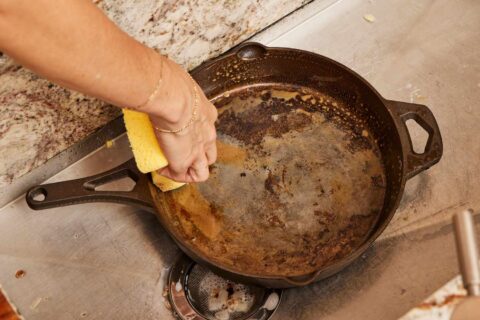
Pour a few drops of dish soap onto a sponge. Start scrubbing from the sides of the kitchen sink and work your way down to the drain. This ensures every spot gets clean. Focus on corners and edges where grime tends to accumulate.
Use circular motions for better results. Apply light pressure as you scrub tough spots, like dried stains or food residue. Dish soap cuts through grease easily, leaving the basin spotless and shiny.
Step 3: Target stubborn stains with a baking soda and vinegar mix
Sprinkle baking soda over the stained area in your kitchen sink. Use enough to fully cover the spots. Slowly pour vinegar onto the baking soda. This creates a fizzing action that helps lift grease and grime.
Let this mixture sit for 10-15 minutes to break down tough stains. Scrub with a sponge or brush, focusing on rust stains or hardened food debris. Rinse thoroughly with warm water, and repeat if needed for deeper cleaning.
Step 4: Let the solution sit and fizz
Allow the baking soda and vinegar mixture to bubble for 15 minutes. This reaction breaks down grime, grease, and tough stains in your kitchen sink cleaning routine. For drain cleaning, allow approximately 30–60 minutes of extra time.
The fizzing action loosens dirt from hard-to-reach spots. Avoid disturbing the solution while it works its magic. Afterward, rinse with hot water to flush out residue and leave your basin fresh.
Step 5: Scrub and rinse thoroughly
Scrub the basin firmly using a sponge and warm, soapy water. Focus on every corner, especially around the drain area. Use circular motions to remove grime and food residue from the surface.
For stubborn stains, apply a baking soda and vinegar mix directly onto them. Let it fizz briefly, then scrub again with a bit more pressure.
Rinse off all cleaning agents using hot water. Make sure no soap or cleaning agents are left behind, as this can cause buildup over time. Pay close attention to stainless steel sinks to avoid streaks or spots forming later.
Dry everything with a microfiber cloth for a polished shine and lasting cleanliness!
Tips for Cleaning Faucet and Handles
Use a toothbrush to remove buildup
Tackle grime on your faucet and drain with an old toothbrush. Its small bristles reach tiny crevices where sponges can’t clean. Dip it in vinegar for added power against lime buildup.
Focus on the areas around the faucet handles and base. Scrub gently but firmly to remove hidden dirt or rust spots. Rinse off residue with warm water once you’re done cleaning.
Wipe and polish with a damp cloth
Use a damp microfiber cloth to clean faucets and handles. Focus on removing water spots or smudges left by scrubbing. This will leave surfaces spotless and hygienic, improving kitchen hygiene.
Dry the faucet thoroughly after wiping to avoid water stains. Buff with the cloth for a shiny, polished finish that looks fresh.
Tips for Deodorizing
Lemon slices or citrus peel
Use lemon slices or citrus peels to deodorize the sink naturally. Rub them along the basin’s surface, focusing on trouble spots. Their oils break down odors and leave a fresh scent.
Toss peels into the drain with warm water for extra freshness.
Rust stains on porcelain sinks? Sprinkle salt over the area, then scrub it using a lemon slice. The acidity removes rust while polishing gently. It’s simple, safe, and keeps your kitchen smelling great!
Essential oils in the drain
Add a few drops of essential oil to the drain after cleaning. They mask bad smells and leave a fresh, pleasant scent in your kitchen sink.
Choose citrus oils like lemon or orange for the best results. These natural alternatives to chemical deodorizers are safe and effective.
Maintenance Tips to Keep it Fresh
Keep your sink clean daily, prevent clogs, and fight odors with simple habits.
Use a sink strainer to catch food scraps
A sink strainer stops food scraps from clogging your drain. It captures large debris before it enters the pipes, helping maintain proper drainage. By using one, you avoid buildup that leads to costly repairs or the need for harsh drain cleaners.
Strainers are simple but effective tools for any kitchen. They reduce foul odors and keep water flowing smoothly. Use them daily while washing dishes or cleaning up pots and pans. Remove collected scraps after each use to prevent messes or bacterial growth.
Avoid pouring grease down the drain
Pouring grease into the drain can cause big problems. Grease hardens as it cools, building up inside pipes. This leads to clogs that block water flow and create foul odors in your kitchen sink.
Grease buildup also attracts bacteria, making your sink unsanitary over time. Instead of pouring it down the drain, collect grease in a disposable container and discard it. Use warm water to rinse any small leftover amounts from dishes instead of letting them settle in your pipes.
Keeping grease out protects both your plumbing and your cleaning routine.
Rinse daily with warm water
Rinse your kitchen sink daily with warm water to prevent residue buildup. Warm water helps loosen fats and food particles that may stick after dishwashing. This simple habit keeps the surface clean and reduces odors.
A quick rinse takes only seconds but can save time during deep cleaning sessions. It stops grime from hardening, making weekly maintenance easier. Combine this step with a sink strainer to catch food scraps for even better results.
Weekly quick clean-up routine
Clear out any dishes or food scraps from the basin. Wash the sink with hot, soapy water to remove grease and grime. Focus on corners where buildup hides. Disinfect using a mild bleach solution, especially after handling raw meats.
Dry the basin using a microfiber cloth to prevent water spots. Add lemon slices or essential oils to the drain to freshen the scent. This simple cleaning schedule keeps your kitchen sink spotless and smelling great all week long!
Why Regular Cleaning Matters
Kitchen sinks are germ magnets. Studies show they often have more bacteria than bathroom faucet handles. In 2011, NSF International found that 45% of kitchen sink swabs tested positive for coliform bacteria like Salmonella and E.
Raw meat contamination adds to the problem. A USDA study in 2023 found that kitchen sinks had high E. coli levels after handling raw sausages during breakfast preparation. Pathogens can survive on surfaces for up to 32 hours. Regular cleaning helps remove these germs, prevents odors from food residue or grease, and keeps your drain clear of clogs with a sink strainer.
Final Tips
Keeping your kitchen wash basin clean is simple and rewarding. A clean sink looks great and helps prevent germs. Use natural cleaners like baking soda, vinegar, or lemon for a fresh touch.
Maintain a regular cleaning routine to prevent stains and odors. With these tips, you can keep your sink sparkling every day!