Share
Share Facebook
  Twitter
  LinkedIn
  Pinterest
  Email
Email 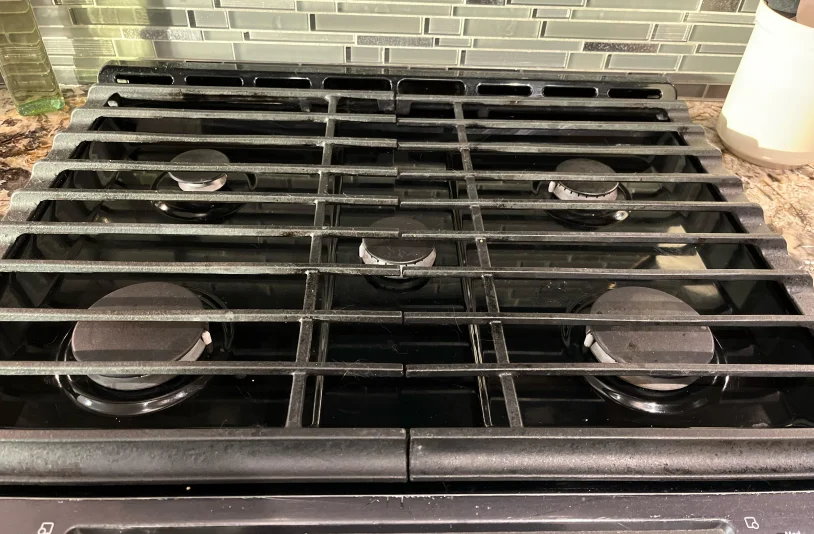
Stove grates go through a lot. Grease splatters, sauces spill, and crumbs get burned on. Soon, they become sticky, stained, and hard to look at. It can seem like no matter how much you scrub, they never look completely clean.
You don’t need special cleaners or hours of scrubbing to get them clean. With a few easy steps and a little patience, you can remove the grime and make your stove grates look new again.
This guide will show you how to safely clean stove grates, from quick daily wipe-downs to deep cleaning for tough messes.
Are you ready to see your stove grates gleam like new? Let’s dive in!
Jump to Section [Hide]
- Before You Start: Safety and Prep
- Know Your Stove Grates
- Tools and Materials You’ll Need
- Step-by-Step Guide for Cleaning Stove Grates
- Extra-Dirty Grates: Heavy-Duty Cleaning Methods
- Dealing With Rust and Discoloration
- Drying, Seasoning, and Reassembling the Grates
- Maintenance Tips to Keep Stove Grates Clean Longer
- Common Mistakes to Avoid
Before You Start: Safety and Prep
Before cleaning, make sure your kitchen is ready. Small steps now can save time and keep you safe while working.
Turn off the gas/electric and let the stove cool
Turn off the gas valve or electric power to your stove. If you have a gas range with a standing pilot light, ensure it is off as well.
Let the stovetop cool completely before touching anything. Hot grates can burn you and may crack if cleaned while still warm. Always handle them when they are safe to touch.
Protect nearby countertops and backsplash
Place an old towel or dishcloth on your countertops. This prevents scratches and stains from dirty stove grates. Line the sink with a soft towel as well to protect it while soaking the grates.
If using strong cleaners, cover the backsplash with plastic wrap or foil. This keeps splatters from damaging tiles or paint. Some finishes, like Maytag DuraGuard, help reduce messes, but still take precautions to avoid spills.
Ventilate the kitchen if using stronger cleaners
Open windows to allow fresh air to flow. Turn on the exhaust fan if available. Strong cleaners, such as ammonia or commercial stove cleaner, can release harmful fumes.
Wear gloves and a mask for added safety. Avoid inhaling vapors when cleaning stove grates or gas cooktops. Staying safe is always a priority!
Know Your Stove Grates
Stove grates are made of materials such as cast iron or steel. The material type affects how it should be cleaned. Check the details before you start!
Common grate materials (cast iron, enamel-coated, steel)
Stove grates are usually made of cast iron, enamel-coated cast iron, or steel. Cast iron is strong and holds heat well, but it can rust if left wet too long. Enamel-coated grates resist rust better and are easier to clean than raw cast iron.
Steel grates are lighter than cast-iron grates and less likely to break. They may not retain heat as well as cast iron, but they work well for most cooking needs. Always check your grate type before cleaning, as each material requires different care.
How the type of grate affects cleaning methods
Great material changes how you clean it. Cast iron grates need gentle care. You can’t soak uncoated cast iron too long, or rust will form. Seasoned cast iron requires drying and oiling to protect it.
Enamel-coated grates handle scrubbing better. Use a non-abrasive pad on tough spots to avoid scratching. Steel grates are sturdy but may discolor if cleaned with harsh chemicals or left wet.
Always check the manufacturer’s instructions before starting!
Why you should check the manufacturer’s instructions
Each stove model is different. The manufacturer’s instructions tell you the best way to clean your stovetops and grates without damage. Some materials, such as enamel-coated or cast iron, require special care.
Using the wrong cleaner can harm gas stove burners or burner caps. Whirlpool, for example, suggests AFFRESH Stainless Steel Brightener for their stoves. Avoid oven cleaners, bleach, or rust removers unless approved by your manual.
Always follow the guide’s recommendations to ensure everything remains safe and functioning properly.
Tools and Materials You’ll Need
You’ll need simple tools and cleaners to get the job done. Grab your supplies and keep reading for full tips!
Basic cleaning tools (sponges, brushes, non-abrasive pads)
Use a damp sponge to wipe off loose debris. For stuck-on grease, grab a bristled brush or non-abrasive scrubbing pad. These tools clean effectively without damaging delicate surfaces such as enamel-coated grates.
Avoid steel wool or harsh pads on stove grates. They can scratch and damage the coating. Choose soft-bristle brushes and mild cleaners for safe cleaning every time.
Everyday cleaners (dish soap, baking soda, vinegar)
Dish soap works great for everyday grease and grime. Mix a few drops with hot water to soak grates. This breaks down oils without harming the surface.
For stubborn spots, try baking soda paste. Blend 3 parts of baking soda with 1 part water. Apply it directly and scrub gently after a few minutes. Vinegar can help too! Spray vinegar on stains, let it sit, then wipe clean.
Both are safe for enamel-coated or steel grates, but avoid soaking cast iron in vinegar for extended periods; it may rust.
Optional heavy-duty products (degreaser, ammonia, commercial stove cleaner)
For tough grease, a degreaser works fast. Spray it on the grates and let it sit for 10-15 minutes. Scrub with a brush, then rinse thoroughly. Follow safety guidelines and wear gloves while using.
Ammonia is another powerful option. Place grates in a sealed bag with 1/4 cup ammonia overnight. This breaks down stubborn grime easily. For quick cleaning, try commercial stove cleaners but check your grate material first to avoid damage.
Always work in a well-ventilated area to stay safe.
Protective gear (gloves, mask, old towels)
Wear gloves to protect your hands from harsh cleaners. Use a mask when handling strong chemicals such as ammonia.
Lay old towels near the stove to catch drips and shield counters. They also help dry grates completely after rinsing.
6 Step-by-Step Guide for Cleaning Stove Grates
Grease on stove grates doesn’t stand a chance with the right steps. Follow an easy process to tackle tough stains and restore your grates.
Step 1: Remove and inspect the grates
Wait until the stove cools completely. Turn off the gas or electric power to stay safe. Carefully lift the grates and set them aside.
Check for cracks, rust, or wear. Also, check whether the burner caps were removed. Replace broken parts with genuine Whirlpool replacements if needed.
Step 2: Pre-soak in hot, soapy water
Fill a sink or large container with hot water. Add a few drops of dish soap and mix until bubbles form. Place the grates gently in the soapy water.
Let them soak for at least 20 minutes to loosen grease and grime. For coated cast iron, soaking is safe; avoid soaking uncoated cast iron.
Step 3: Scrub with a non-abrasive pad or brush
Use a non-abrasive pad or a bristled brush to scrub the grates. This helps remove grease without harming the surface. Avoid steel wool, as it can scratch enamel-coated or cast-iron grates.
For lighter messes, use a damp cloth or cleaning wipes instead. Focus on stubborn spots with gentle pressure while scrubbing. Rinse off any cleaner as you go for better results.
Step 4: Apply a baking soda paste for stubborn spots
Mix three parts baking soda with one part water to form a thick paste. Spread the paste over the tough grease or stuck-on spots on your stove grates.
Let it sit for about 20 minutes to loosen the grime. Scrub gently using a soft brush or non-abrasive pad until the residue is gone. Rinse thoroughly with warm water, making sure no paste remains.
Step 5: Rinse thoroughly and check for remaining residue
Rinse each grate under warm, running water. Use your fingers or a sponge to check for any soap or cleaner residue.
Inspect every corner and edge for stubborn grease. If debris lingers, grab your non-abrasive pad and give it another quick scrub. Rinse again until all residue is gone.
Step 6: Dry completely and replace the grates
Use a clean towel or let the grates air-dry fully. Any leftover moisture can cause rust, especially on cast-iron cookware or gas ranges.
Place the dry grates back on the stove. Ensure they are secured above the burner base to prevent accidents.
Extra-Dirty Grates: Heavy-Duty Cleaning Methods
Tough stains need stronger methods. Learn which tools and cleaners can handle the dirtiest grates!
1. When to move beyond soap and water
If grease and grime remain after using dish soap and water, switch to a stronger cleaner. A degreaser can cut through stubborn buildup.
For tougher messes, try the ammonia trash-bag method. Place the grates in a sealed bag with ammonia overnight. Rinse them well the next day before reusing.
2. Using a stronger degreaser safely
Wear gloves to protect your hands from the strong chemicals. Open windows or use a fan to ensure good ventilation. Strong fumes can build up quickly in small spaces.
Apply the degreaser directly onto the greasy spots. Let it sit for a few minutes, but don’t let it dry out completely. Use a non-abrasive scrubber to avoid scratching your grates.
Rinse thoroughly with warm water before drying.
3. Trash-bag ammonia method
Place the stove grates in a large, sealable trash bag. Add 1/4 cup of ammonia to the bag. Seal it tightly to trap the fumes inside.
Leave the bag overnight in a safe area away from kids and pets. The ammonia fumes will loosen tough grease and grime. In the morning, remove the grates and rinse them thoroughly.
Dry them completely before putting them back on your stove.
4. Overnight baking soda and vinegar treatment
Coat the grates with a thick paste made from baking soda and water. Sprinkle vinegar over the paste and let it bubble. Cover the grates in plastic wrap or seal them in a large plastic bag to keep the mixture moist overnight.
Rinse thoroughly with warm water the next day. Use a sponge or a mildly abrasive cleaner to remove any remaining spots. Dry thoroughly before returning them to your stove to prevent rust.
Dealing With Rust and Discoloration
Rust can make your grates look worn out. Tackle it quickly to keep them strong and clean!
1. Why does rust form on cast-iron grates?
Rust forms when cast-iron grates remain wet after washing. Water left on the surface reacts with the iron, creating rust spots. Acidic spills, such as vinegar or tomato sauce, can also damage the finish.
If not cleaned and dried immediately, these acids accelerate rust formation.
Skipping proper care makes it worse. Not oiling your grate after drying leaves it unprotected. Even kitchen humidity can cause damage over time without a protective coating.
Always dry and treat your grates to avoid this problem.
2. How to remove light rust safely
Use a non-abrasive pad or a copper scrubber to gently remove light rust from cast-iron grates. Avoid steel wool, as it can harm the surface.
Mix baking soda with water to form a paste, then apply it. Let it sit for 20 minutes, then rinse thoroughly. Dry completely to stop more rust from forming.
3. When discoloration is normal vs. a problem
Some discoloration on the stove grates happens over time. It’s normal and doesn’t mean anything is broken. Black marks or slight fading often result from heat from cooking pans or grills.
Rust, however, can indicate a problem, especially on cast-iron grates. If the coating peels off or if you see deep, uneven discoloration, check for damage. High flames can also cause unusual dark spots on cookware, like your cast-iron pan.
Drying, Seasoning, and Reassembling the Grates
Make sure everything is fully dry. This step keeps rust away and gets your stove ready to use again!
Air-drying vs. towel-drying
Towel-drying cast iron grates is safer. It stops rust from forming. Air-drying works for other grate types but takes longer.
Use a clean towel to dry all parts well. Focus on small spaces where water can hide. Ensure the grates are completely dry before returning them to the stove.
Lightly oiling cast iron to prevent rust
Dry-cast iron grates thoroughly before oiling. Wet surfaces can trap moisture, leading to rust over time. Use a thin layer of vegetable or canola oil to coat the grate evenly.
Do not apply too much oil, as it could become sticky when heated. This light coating creates a protective barrier against air, preventing rust from forming.
Ensuring grates are fully dry before placing them back
Make sure the grates are completely dry before reassembly. Any residual moisture can cause rust on cast-iron grates or ignition issues with gas burners.
Use a clean towel to hand-dry them, or leave them to air-dry. Double-check for hidden water in corners or crevices. If your stove has burner caps, align and fit them properly to avoid flame issues later.
Maintenance Tips to Keep Stove Grates Clean Longer
Clean up spills quickly to avoid tough grease stains later. Stick to a regular cleaning plan. It makes the job much easier!
Wiping up spills quickly while the stove is still warm
Spills are easier to clean while the stove is warm. Use a damp microfiber towel right after cooking. This keeps grease and food from hardening.
Stubborn stains form if spills sit too long. A quick wipe prevents buildup, reducing the need for deep cleaning. Induction cooktops also require this habit, since they cool faster than gas stoves or other ranges, such as Kitchenaid models.
Setting a weekly or monthly deep-clean schedule
Plan a weekly or monthly cleaning routine to keep grates grease-free. If you cook often, clean every week. Light stove use may require cleaning only once a month.
Use hot, soapy water for regular maintenance. Deep clean with baking soda or vinegar as needed. Sticking to a schedule prevents heavy buildup and saves time later!
Using burner liners or drip pans wisely
Use burner liners or drip pans to catch food spills. This keeps grease from sticking to your stove grates. Only use liners approved by the manufacturer. Check they don’t block burner ports or mess with the flame.
Trim oversized liners if needed. Ensure air can flow around the burners to ensure proper operation. Clean liners regularly to prevent grime buildup and fire risks.
Habits to avoid heavy grease buildup
Clean the stovetop after each use. Use soapy water and a non-abrasive pad to wipe away any grease while it’s still fresh. This keeps dirt from sticking over time.
Avoid cooking with high heat when it’s not needed. High flames can cause greater grease splatter, making cleanup more difficult later. Keep spills under control by catching them early with burner liners or drip pans.
Common Mistakes to Avoid
Skipping proper cleaning steps can damage your stove grates, learn what to avoid!
Using steel wool or harsh abrasives on enamel
Steel wool and harsh abrasives can ruin enamel-coated grates. These tools scratch the surface, leaving it dull and damaged.
Use non-abrasive pads or copper scrubbers instead. They clean well without harming the enamel finish.
Putting grates in the dishwasher when not recommended
Some stove grates are not dishwasher-safe. Check the owner’s manual before placing them inside. Using a dishwasher on non-compatible grates can strip coatings or cause rust.
Burner caps should never be placed in dishwashers. They can get damaged by harsh detergents and high temperatures. Stick to hand washing for better results and longer-lasting parts!
Soaking uncoated cast iron for too long
Uncoated cast-iron grates rust quickly when left in water for too long. Limit soaking to 20 minutes only. After soaking, dry them right away with a towel.
Air-drying can cause spots or rust. Use a clean cloth and wipe every part carefully. This helps keep your grates in good shape and rust-free for longer!
Mixing cleaning chemicals unsafely
Never mix bleach and ammonia. This creates toxic fumes that can harm your lungs. Even a small amount of these fumes can cause breathing problems or worse.
Always ventilate the area when using strong cleaners. Open windows or turn on a fan to let in fresh air. Wear gloves and a mask for added safety, especially when handling chemical products.
Final Tips
Cleaning stove grates doesn’t have to be hard. With the right tools and a little effort, your grates can shine again. Keep up with spills and deep clean weekly to make life easier.
Your kitchen will look better, and cooking will feel more fun! Clean grates also help your stove work its best.