Share
Share Facebook
  Twitter
  LinkedIn
  Pinterest
  Email
Email 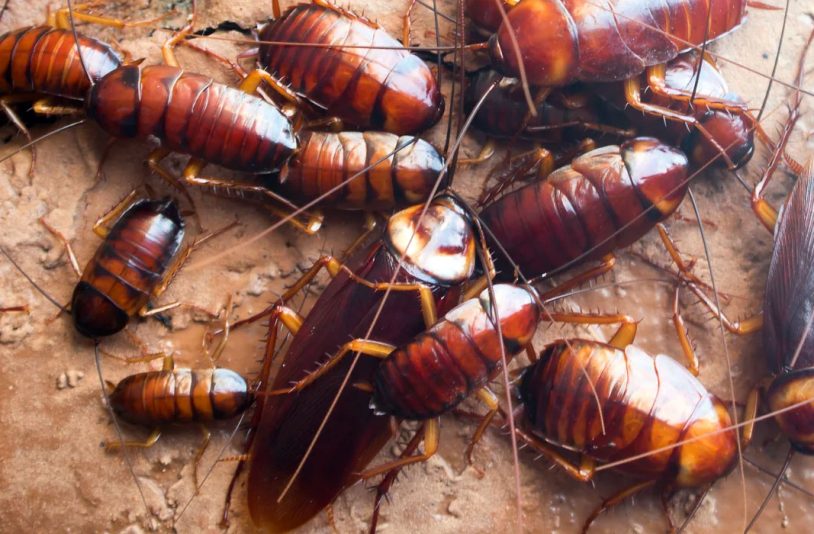
Nobody wants to see a cockroach running across the floor, especially in the kitchen or bathroom. These sneaky pests seem to appear out of nowhere, and once they settle in, they’re tough to get rid of.
In this guide, we’ll show you how to spot the signs of a cockroach problem, the best ways to get rid of them for good, and how to keep them from coming back.
Keep reading to take control of your space!
Why Cockroaches Are a Problem
Cockroaches carry harmful germs that spread diseases like food poisoning. They leave droppings, shed skin, and smear marks that trigger allergies or asthma attacks, especially in children.
Their musty smell can quickly fill a room, making it unpleasant to live in.
These pests contaminate food and utensils as they crawl over surfaces. They enter homes through grocery bags, furniture, or cracks around windows and doors. In apartments or multi-family dwellings, cockroaches move easily between units through walls and ceilings.
This makes infestations harder to control without proper pest control measures.
Jump to Section [Hide]
Signs You Have a Cockroach Infestation
Cockroaches leave clear signs when they invade your home. Look for small clues that show their activity and presence.
Droppings and Smear Marks
Droppings look like small black specks, similar to ground pepper. These often show up under sinks, behind stoves, near cabinets, and along walls. Smear marks may appear as dark streaks on surfaces where roaches crawl.
Heavy infestations can leave droppings piled in corners or along edges.
These signs indicate active areas or nesting sites. Droppings also release odors that attract more cockroaches and worsen allergens like asthma triggers. Clean these spots frequently to monitor new activity and prevent surface staining.
Egg Casings and Shed Skins
Female cockroaches leave egg cases, called oothecae, in hidden spots. These small, brown capsules can house 15–40 nymphs depending on the species. You might find them stuck to the undersides of furniture or tucked into cracks and crevices.
Brownbanded cockroaches often cling to surfaces such as walls and shelves.
As nymphs grow, they shed their skins several times. These cast-off skins pile up in corners or near harborage areas, such as crawl spaces. If you see both egg casings and shed skins together, it means reproduction is ongoing, and the infestation may be growing fast.
Musty Odor
A musty odor often signals a cockroach infestation. This smell comes from their bodies, droppings, and secretions. In large infestations, the stench becomes stronger and harder to ignore.
You might notice it in kitchens, bathrooms, or other damp areas where cockroaches hide.
The odor can stick to food and belongings if not addressed quickly. It’s especially troublesome for people allergic or sensitive to these compounds. Even after removing the roaches, this smell may linger unless you clean thoroughly.
Pay attention to persistent odors as they help locate hidden nests of these household pests.
Live or Dead Cockroaches
Spotting live cockroaches during the day signals a severe infestation. These pests usually hide at night, so daytime sightings mean they are overcrowded or hungry. You might see them scurry under sinks, behind appliances, or inside cabinets.
Dead cockroaches often appear after using insecticides such as boric acid. They can pile up in high-activity zones if not cleaned quickly. Leaving dead roaches around can attract ants or other scavengers.
Regularly check and clean these areas to monitor the effectiveness of your pest control efforts and prevent new problems.
Immediate Steps to Take Once You Spot Roaches
Act fast—block their hiding spots, cut off food and water, and clean the area thoroughly to discourage them.
Isolate Affected Areas
Close off areas where cockroaches are active. Use tape or plastic barriers to seal gaps under doors and between rooms. Move infested items, like houseplants, outside temporarily. Keep pet water dishes out of reach to reduce attraction.
Limit movement in these zones until treatment is complete. Store possibly infested belongings in sealed plastic bins away from clean spaces. Stop household members from transferring items between areas to prevent pests from spreading further.
Remove Food and Water Sources
Clean up food spills and crumbs right away. Cockroaches can survive on tiny scraps, so don’t leave any behind. Store all food, including pet food, in airtight containers to keep it pest-free.
Empty and clean trash cans often, using ones with tight lids. Always take out the garbage at night.
Fix leaky faucets or pipes immediately to remove water sources. Wipe down sinks and bathtubs after use to avoid standing water collecting overnight. Don’t leave pet bowls filled with water overnight either; cockroaches are attracted to moisture, too.
Keeping your home dry makes it harder for them to thrive.
Quick Clean-Up Measures
Vacuum floors, counters, and under appliances to remove crumbs and debris. Wipe down surfaces with disinfectant wipes to clear cockroach feces or smear marks.
Wash dishes right after use instead of leaving them in the sink overnight. Toss out trash daily and keep recycling bins sealed tight to deny access to food scraps. Clear clutter, such as old papers or boxes where roaches may hide.
Effective Methods to Eliminate Cockroaches
Getting rid of cockroaches takes effort and planning. Use simple tricks and targeted solutions to clear them out for good.
Deep Cleaning and Decluttering Your Home
Clear out clutter, such as old newspapers, boxes, and piles of paper. These give cockroaches places to hide. Vacuum floors, countertops, and cabinets to remove crumbs and dust. Wipe down all surfaces with a strong cleaner to eliminate food residue.
Wash dirty dishes right after meals; don’t let them sit overnight. Empty your trash cans daily and use ones with tight lids. Check under sinks, appliances, and storage spots for hidden dirt or pests.
Store food in sealed containers so roaches can’t get inside.
Sealing Cracks, Gaps, and Entry Points
Block cockroaches by sealing cracks and gaps. Use caulk around windows, doors, and utility entries. Add door sweeps to close gaps at the bottom of exterior doors. Tight-fitting screens on windows keep outdoor insects out.
Check pipes and wall openings near stoves, sinks, and refrigerators. Seal larger holes with expanding foam or weatherstripping. Inspect apartment walls and ceilings for spaces where pests can spread between units.
Fix new cracks quickly to keep them from returning!
Using Cockroach Baits and Gel Bait Insecticides
Cockroach baits work by attracting roaches with food that contains slow-acting insecticides. Popular consumer brands include Combat, Raid, Ortho, and Hotshot. Professional options like Maxforce and Advion are also effective.
The active ingredients in these baits, such as Fipronil or Indoxycarb, kill roaches within 1 to 3 days while spreading toxins to others in the nest.
Apply gel baits as small dabs in key areas, such as under sinks, near trash cans, behind appliances, and inside cabinets. Place over a dozen spots under kitchen sinks for better results.
Refill bait stations often if needed; smaller placements work better than large globs. These methods target hidden infestations and quickly reduce cockroach populations.
Spraying Boric Acid in Targeted Areas
Apply boric acid as a thin dust in cracks, corners, and hidden areas. Focus on areas such as cabinet edges, wall joints near the floor, under sinks, and behind appliances. Use a bulb or bellows duster for even application.
Avoid heavy piles of powder since cockroaches may avoid those spots.
Keep boric acid away from food surfaces and electronics to prevent contamination or damage. Reapply after cleaning or if it gets wet for consistent results. Cockroaches groom themselves after walking through the dust.
This makes them ingest it later, leading to effective extermination over time. Keep it out of reach of kids and pets for safety while targeting pests directly in nesting zones.
Setting Up Sticky Traps for Monitoring
Place sticky traps in areas where cockroaches are most active. Good spots include under sinks, behind appliances like refrigerators, and inside cabinets. These traps catch both nymphs and adults, helping you see the extent of the infestation.
Use several traps if you suspect a larger problem or if multiple rooms are affected. Check them regularly to track population changes and replace them as needed. Count the trapped roaches to find hot spots for targeted pest control treatments.
Using Insect Growth Regulators (IGRs)
IGRs stop cockroaches from growing and reproducing. They target nymphs, keeping them from becoming adults that can lay eggs. Gentrol Point Source works well under sinks and in hard-to-reach spots, such as cracks and crevices.
Apply it where roaches hide, such as in kitchens or bathrooms.
Use IGRs with baits to reduce infestations faster. These regulators are safer for pets and humans when used correctly. They also help other pesticides last longer by slowing population growth.
Severe infestations benefit most from IGR treatments, as they effectively disrupt the cockroach life cycle.
Natural Remedies to Control Cockroaches
You can use simple, natural items from your home to get rid of cockroaches. These methods are safe and effective for rapidly reducing their numbers.
Baking Soda and Sugar Mixture
Mix equal parts baking soda and sugar to make an easy cockroach bait. Sugar attracts them, while baking soda harms their digestion, killing them quickly.
Place the mixture in small dishes or bottle caps near roach-prone areas. Replace it every few days for the best results. Monitor activity over 1–2 weeks to see if sightings decrease.
This method is non-toxic to humans and pets, but it works well when combined with other pest control methods, such as traps or sprays.
Diatomaceous Earth
Diatomaceous earth is a natural powder that kills cockroaches by cutting their exoskeletons. Use only food-grade diatomaceous earth for safety. Sprinkle it lightly in cracks, behind appliances, and along baseboards.
Avoid breathing in the dust while applying.
Reapply after cleaning or if it gets wet. It’s non-toxic to humans and pets but deadly to roaches. Once cockroaches come into contact with the powder, they die within days. Monitor activity in treated areas to see results over time.
Essential Oils
Peppermint and tea tree oils can help repel cockroaches. They dislike the strong smell, which makes these oils useful as deterrents. Mix a few drops with water in a spray bottle. Spray it along entry points, baseboards, or hiding spots, such as under sinks or behind appliances.
Reapply every few days or after cleaning to keep the scent fresh. Essential oils are safe for use around kids and pets, but avoid spraying on food surfaces. These work best when combined with deep cleaning and sealing cracks in your home.
Observe for any changes in cockroach activity over time.
Bay Leaves and Cucumber Peels
Bay leaves have a strong scent that may repel cockroaches. Place fresh or dried bay leaves in cabinets, drawers, and corners where you spot them. These are safe around kids and pets, but replace the leaves often for better results.
Cucumber peels can deter roaches, too, especially in kitchen areas. Add fresh peels near sinks or food-prep areas to keep insects away. Swap out old peels regularly, as they lose their effectiveness over time.
Use these remedies as extra tools with your primary pest control methods.
Preventing Future Infestations
Keep your home uninviting to pests by staying clean and organized. Block their entry points, and they’ll have no way in.
Maintain a Consistent Cleaning Routine
Clean all surfaces regularly, including counters, cabinets, and floors. Wash dishes right after use and avoid leaving dirty ones in the sink overnight.
Sweep and mop your kitchen and bathroom floors daily to remove crumbs and spills. Empty trash cans with tight-fitting lids often and clean them thoroughly. Keep pet feeding areas free of food scraps, store pet food in tightly sealed containers, and vacuum inside cabinets or under appliances to remove hidden debris.
Store Food in Airtight Containers
Keep all food in airtight containers made of plastic, glass, or metal. Use tight-fitting lids to keep cockroaches out. Avoid leaving baked goods or fruit bowls out overnight.
Always check food packaging for holes, tears, or bugs before storing it.
Place bulk items off the ground and away from walls to reduce access points. Wipe pantry shelves often to remove crumbs that attract pests. Inspect stored foods regularly for droppings, egg casings, or damage caused by cockroach activity.
Rotate your stock, too, so nothing stays forgotten in the back for long periods.
Take Out the Trash Daily
Take out the trash from your kitchen and bathroom every day, especially at night. Cockroaches are most active at night and will search for food in bins. Always use garbage cans with tight-fitting lids to stop them from getting inside.
Store filled garbage bags in sealed containers until you can dispose of them outside. Keep outdoor trash bins away from the house foundation to reduce pests nearby. Clean trash cans regularly, inside and out, to remove food stains or smells that attract roaches.
Avoid leaving recycling or compost indoors overnight if possible.
Eliminate Water Leaks and Standing Moisture
Fix leaky pipes and dripping faucets right away. These provide water for cockroaches to survive. Check under sinks, behind toilets, and near appliances like dishwashers or washing machines often.
Even small leaks can attract pests.
Wipe up standing water from sinks, tubs, and pet bowls after use. Use dehumidifiers in damp spots such as basements to reduce moisture. Insulate pipes to prevent condensation buildup.
Keep bathrooms and kitchens dry by ensuring proper ventilation and promptly fixing roof or window leaks.
Regularly Inspect and Maintain Your Home
Check for cracks, gaps, or holes around doors, windows, and pipes. Seal them with caulk or weatherstripping to block cockroach entry points. Look behind sinks, stoves, and appliances for hidden access areas.
Maintain tight-fitting screens on windows and add door sweeps if needed.
Inspect basements, attics, and storage spaces regularly for signs of droppings or egg casings. Keep outdoor areas clean by removing woodpiles and yard waste that attract pests. Schedule routine checks to spot issues early and prevent them from worsening.
Act quickly if you see even minor signs of cockroach activity.
Mistakes to Avoid When Dealing with Cockroaches
Using the wrong methods can make the problem worse—or even spread the infestation.
Relying Solely on Sprays
Sprays can provide quick relief but fail to solve the root problem. Cockroaches often hide in cracks, walls, or behind appliances where sprays cannot reach. Over-the-counter options may repel them temporarily, pushing them deeper into hidden areas.
Some cockroach species even develop resistance to synthetic pyrethroid sprays over time.
Foggers and sprays near bait placements reduce their effectiveness. Sprays can also leave harmful residues that put pets and children at risk. This reliance delays the implementation of effective pest control measures, such as using baits or sealing entry points.
Professional-grade products must only be used in targeted areas, such as small gaps or crevices, for safer results.
Ignoring Hidden Nesting Areas
Cockroaches often hide in cracks, wall voids, and behind appliances. They also nest inside cabinets or dark, moist spots near food sources. These hidden spaces become breeding grounds for egg cases and nymphs.
If you leave them unchecked, the infestation can quickly spread to other rooms.
Failing to inspect these areas weakens your pest control efforts. Cockroaches thrive in undisturbed harborage sites that sprays alone can’t reach. Regularly check potential nesting places, such as under sinks or around baseboards.
Professional inspections thoroughly target these concealed zones, ensuring a more effective solution against recurring infestations.
Skipping Regular Follow-Up Checks
Skipping follow-up checks can lead to a comeback of cockroaches. Missing these checks lets you miss signs of leftover eggs or growing populations. Sticky traps and bait monitoring help spot any remaining bugs.
Without these, it’s hard to track if treatments are working.
In multi-unit homes, this becomes even more important. Cockroaches move through cracks and shared spaces. Reapplying insecticides or replenishing baits is key to full control. Document every sighting and treatment date for better tracking over time.
Regular inspections stop re-infestations before they get worse!
When to Call a Professional Exterminator
Sometimes, you need expert help to end the problem. Call a pest control company if your efforts aren’t enough or the infestation gets worse.
Severe or Recurring Infestations
Severe cockroach infestations can quickly get out of hand. German cockroaches, for example, can produce thousands of offspring in just one year. In multi-unit buildings, they spread fast through shared walls and ceilings.
DIY methods may not work well if the problem keeps coming back despite repeated efforts.
Professional pest control services are often your best choice here. They use non-repellent baits and insect growth regulators (IGRs) to break their life cycle. Thorough cleaning and sealing entry points also play a significant role in controlling these pests in the long term.
Ignore these steps, and the infestation might return stronger than before.
Presence of Hard-to-Eliminate Species
German cockroaches can be a nightmare to get rid of. They reproduce fast, with 40-50 eggs per egg case. This rapid growth makes them hard to control if left untreated. These species often resist common pesticides, such as synthetic pyrethroids, making DIY treatments less effective.
To combat resistant species, use specialized baits and insect growth regulators (IGRs). Focus on proper identification before treatment. If the infestation spreads across rooms or worsens despite efforts, call pest control companies.
Professionals provide targeted solutions that are safe for your family, pets, and children.
Safe and Targeted Treatments for Pets and Children
Keep pets and kids safe during cockroach treatments. Use bait placements instead of sprays to reduce odor and exposure risks. Non-repellent baits and insect growth regulators (IGRs) target infestations without spreading chemicals everywhere.
Apply boric acid dust carefully, avoiding food surfaces to prevent harm.
Always keep pets out of treated areas until everything dries fully. Professional pest control services can handle severe infestations using methods that prioritize the safety of animals and children.
Focus on targeted solutions near harborage areas while ensuring clean, secure surroundings for your family.
Final Tips
Getting rid of cockroaches takes effort, but it’s worth it. Start by cleaning your home and sealing entry points. Use baits, traps, or natural remedies to control them. Stay consistent with prevention steps to keep them away for good.
If the problem grows too big, call a professional exterminator for help!