Share
Share Facebook
  Twitter
  LinkedIn
  Pinterest
  Email
Email 
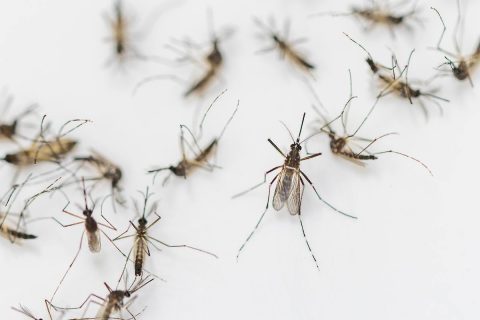
Mosquitoes can ruin outdoor fun. They bite, buzz, and carry diseases. You might feel stuck using bug sprays that smell bad or contain chemicals.
Some plants give off smells that mosquitoes do not like. Lavender, citronella grass, and mint are a few of these mosquito-repelling plants. Planting them in your yard helps keep bugs away and makes your yard look nicer.
Ready to enjoy mosquito-free gardening? Let’s dig in!
Jump to Section [Hide]
Best Mosquito-Repelling Plants to Grow
1. Lavender
Lavender keeps mosquitoes away with its lovely scent. The fragrance comes from essential oils in the leaves, which disrupt a mosquito’s sense of smell. It contains linalool and linalyl, giving up to 80.9% protection against Anopheles stephensi mosquitoes.
It grows well in warm areas with full sun and good drainage. This perennial blooms from summer to fall in USDA zones 5–11, depending on the type. Use sandy, slightly alkaline soil for best results.
Once established, it tolerates drought easily, making it perfect for dry climates.
2. Citronella Grass (Lemongrass)
Citronella grass has a strong lemony scent that helps keep mosquitoes away. It works best as a live plant, not just in oils or sprays. This grass contains high levels of citronella oil, making it highly effective for pest control.
Studies have shown 100% success against certain mosquito species, such as Anopheles culicifacies.
It grows well in USDA Plant Hardiness Zones 9 to 11 but requires warm weather because it is sensitive to frost. Place it in full sun with moist, well-draining soil for healthy growth. Citronella grass is low-maintenance and can thrive if planted in the right spot.
Keep this plant nearby, and you may notice fewer mosquitoes buzzing around!
3. Marigolds
Marigolds have a strong smell that keeps mosquitoes, aphids, and whiteflies away. These flowers contain pyrethrins, which are natural insecticides. The scent also hides human odor, making it harder for mosquitoes to find you.
You can grow marigolds in pots or garden beds. They bloom from late spring until frost and love sunlight. Use them near vegetable gardens or patios for added pest control. Their bright colors also attract pollinators like butterflies!
4. Lemon Balm
Lemon Balm has a fresh citrus scent that mosquitoes dislike. Crushing the leaves helps release this aroma, making it more effective as a mosquito repellent. The plant contains citronella oil, which is known for repelling pests.
It grows quickly and reseeds itself easily in gardens. Besides deterring mosquitoes, it attracts bees, which help pollinate your plants. While useful, it is less effective than citronella grass at controlling mosquito populations.
Grow Lemon Balm in pots or garden beds to enjoy its benefits.
5. Basil
Basil has a strong scent and repels mosquitoes. It contains linalool and eugenol, natural insect repellents. You can grow it in pots or gardens with full sun. The soil should be moist, rich, and well-draining.
The plant works best in USDA zones 10–11 but is annual in most areas. Its leaves repel flea beetles and cabbage webworms, too. Make a bug spray using basil leaves by steeping them in boiling water with vodka, then store it in the fridge for later use.
6. Mint (Peppermint/Spearmint)
Mint grows quickly and can take over spaces, so pots are best for controlling it. Peppermint contains more menthol than spearmint or chocolate mint, making it more effective at repelling mosquitoes, flies, and ants.
It thrives in full sun with moist, rich soil that is slightly acidic.
You can dry its leaves for pest control or add them to tea. Use mint oil to make a homemade mosquito spray by mixing it with apple cider vinegar and witch hazel. Its cooling effect also feels great on your skin! Mint fits well in USDA Zones 3–8 as a perennial herb.
7. Rosemary
Rosemary has a strong, woody scent that repels mosquitoes, cabbage moths, and carrot flies. It grows best in USDA Zones 7–10 and loves hot, dry weather. This herb contains eucalyptol, camphor, and lemon oils that act as natural insect repellents.
You can grow rosemary in pots or make it into hedges. Place it in full sun with loamy soil that drains well. For a repellent spray, boil 1 quart of dried rosemary in water for 20 minutes.
Strain the liquid and let it cool before use. It’s easy to care for and adds beauty to your garden, too!
8. Sage
Sage keeps mosquitoes away with its strong scent. It thrives in USDA Zones 5–8 and loves full sun and well-draining soil. You can plant it in garden beds or pots, making it very flexible for your space.
Burn dried sage leaves by a fire pit to ward off bugs. This works great during summer evenings. Use sage for homemade insect repellents, offering an organic pest control option that smells fresh!
9. Catnip
Catnip, also called Nepeta cataria, belongs to the mint family. It repels mosquitoes, flies, cockroaches, and deer ticks with its chemical compound nepetalactone. Studies conducted at Iowa State University show it is 10 times more effective than DEET for mosquito control.
This plant grows as a perennial in USDA Zones 3–9 and blooms from early summer to fall. Be careful, though—it can spread aggressively in gardens. Its easy growth makes it ideal for beginners looking for bug-repelling plants at home.
10. Floss Flower (Ageratum)
Floss Flower grows best in USDA Zones 9–10. It blooms from summer to fall, adding beauty with blue, pink, or white flowers. This annual plant thrives in rich, well-drained soil and is well-suited for borders or edges.
Its mosquito-repelling power comes from coumarin, which emits a distinctive odor. Be careful, though; it’s toxic if eaten by pets or humans. Keep it in a location that receives plenty of sunlight for the healthiest growth.
How Do Plants Repel Mosquitoes?
Plants repel mosquitoes using their natural oils and scents. These oils, such as citronella, linalool, and nepetalactone, confuse mosquitoes. They make it hard for the insects to find you.
For example, lavender has been shown to repel 80.9% of Anopheles stephensi mosquitoes.
Some plants act as natural bug killers, too. Marigolds produce pyrethrin, which targets mosquito larvae and adults. Garlic releases sulfur compounds like allicin that drive mosquitoes away from your yard.
Catnip can be 10 times stronger than DEET in lab tests! Crush leaves or heat them to boost their power against pests.
Planting and Placement Tips for Maximum Effectiveness
Place these plants in areas where mosquitoes are likely to hang around, like near patios or doors. Use pots for easy movement or mix them into your garden for added charm.
Best spots to place mosquito-repelling plants
Put mosquito-repelling plants near patios, doorways, and seating areas. This keeps mosquitoes away while you relax outside. Lavender or citronella grass works great in sunny spots with well-drained soil.
Use pots for mint and catnip to stop them from spreading too much. Place these on porches or near entryways for a fresh scent and pest control. Add sage around fire pits as it helps repel bugs when burned.
For ponds, set bamboo stakes nearby to attract dragonflies that eat mosquitoes.
Growing in pots vs. garden beds
Pots help control invasive plants like mint, catnip, and pennyroyal. These plants spread fast in garden beds and can take over other spaces. Pots also let you move mosquito-repelling plants closer to seating areas or patios as needed.
Garden beds work well for perennials such as lavender and rosemary that thrive with good drainage. Basil thrives in both pots and garden beds but prefers damp, well-drained soil. In colder places, citronella grass often stays better pruned in a planter since it’s easier to manage indoors during harsh weather.
Companion planting
Planting mosquito-repelling plants with other crops can protect your garden. Marigolds are effective in vegetable gardens, helping keep mosquitoes and pests such as cabbage worms away. Alliums, such as garlic chives and leeks, repel aphids while boosting pest management.
Mint helps keep not just mosquitoes but also ants away from nearby plants. Lemon thyme and sage work well as rock garden or border companions near vegetables. Bee balm attracts pollinators but scares off mosquitoes, too.
Try mixing these plants to create a natural pest-repellent zone in your outdoor space!
DIY Uses of These Plants to Repel Mosquitoes
You can use these plants to make quick mosquito sprays or scented oils. Dry them, crush their leaves, or mix with other natural ingredients for extra bug-fighting power!
Homemade mosquito sprays
Basil spray is effective at repelling mosquitoes. Mix 4–6 ounces of basil leaves with 4 ounces of boiling water. Add 4 ounces of vodka, then cool and refrigerate. Spray it around to keep bugs away.
Rosemary also makes a strong mosquito spray. Boil 1 quart of dried rosemary in a quart of water for about 20 minutes. Let it cool, strain the liquid, and use it as a natural repellent.
Mint oil mixed with apple cider vinegar or witch hazel is another effective option for home sprays.
Rubbing leaves on skin
Crush fresh leaves like lemon balm, mint, or catnip. Rub them on your arms and legs to keep mosquitoes away. The oils released act as a natural mosquito repellent.
Lavender and rosemary work too. Their scents repel bugs while being gentle on most skin types. Test on a small patch of skin first to avoid irritation. Some essential oils, such as thyme oil, can cause irritation in sensitive areas or during pregnancy.
Always use caution around pets; check if these plants are safe for them through the ASPCA database before use. Freshly applied oils give the best results!
Drying and hanging herbs indoors
Hang sage and rosemary in small bunches to keep mosquitoes away indoors. These dried herbs emit a natural scent that bugs dislike.
Lavender works well, too. Its fragrance helps keep mosquitoes away while adding a fresh smell to your home. Place bundles near windows or doors for the best effect.
Infused oils and candles
Infused oils from plants like rosemary, basil, and mint can keep mosquitoes away. Mix these oils with carrier oils for easy use on your skin. Dried sage or mint also makes strong infusions to repel insects.
Homemade candles with essential oils from citronella grass, lavender, or lemon balm are also effective. They add a nice smell while keeping pests at bay. Use them outdoors for best results, but be careful if you have pets or kids around.
Final Tips
Mosquito-repelling plants are simple and natural solutions. They keep mosquitoes away while enhancing your space. Place them near seating areas or doorways for the best effect.
Pair them with other methods, like clearing standing water for better mosquito control. Enjoy a pest-free garden with these helpful plants!