Share
Share Facebook
  Twitter
  LinkedIn
  Pinterest
  Email
Email 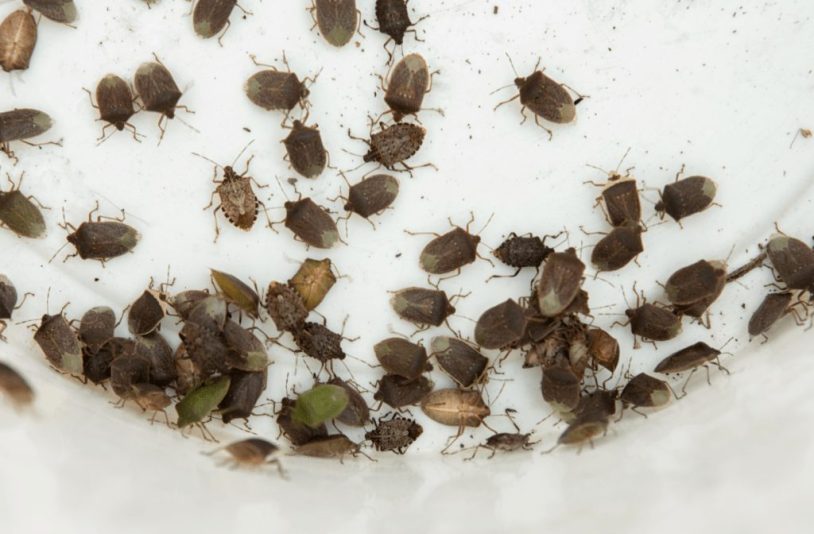
Stink bugs can be a real headache. These pests enter your home, especially during colder months, in search of warmth. Once inside, they create quite a nuisance. Worse yet, if you squash them, they release a nasty smell that lingers.
The brown marmorated stink bug is one of the most common pests in homes and gardens. They harm fruits and vegetables like tomatoes and peppers, undoing all your hard work.
Simple tips will help you handle this pest problem quickly. Keep reading!
Jump to Section [Hide]
What Are Stink Bugs?
They are small insects about the size of a dime with shield-shaped bodies. You’ll often see them in green or brown colors.
These bugs emit a strong odor when threatened or crushed. They don’t bite, sting, or destroy your home, but can be a smelly nuisance indoors. The Brown Marmorated Stink Bug (BMSB) is an invasive species that originated in Asia in the 1990s.
Why do they invade homes?
Stink bugs invade homes in the fall. They look for warm spots to hibernate during winter. Cold weather drives them indoors. Your home gives them a safe, cozy space.
These pests leave chemical scents behind. The smell attracts other stink bugs to the same area. Warm places, cracks, and gaps provide easy entry points for them.
Common species to look out for
The Brown Marmorated Stink Bug (BMSB) is the most common type in the United States. It came from Asia in the 1990s and has spread quickly. This bug harms plants and spreads diseases, making it a problem for farmers and homeowners.
Other species look similar but can be different insects. Proper identification helps you know what you’re dealing with. BMSBs often invade homes during fall and winter, looking for warm places to hide.
Signs of a Stink Bug Infestation
Stink bugs leave clear clues that they are around. You’ll notice where they hide and the traces they leave behind.
Visual clues and where they hide
Look for them near windows, skylights, and curtains during cold months. They often crawl along window trims or hide in small cracks.
Check door jams, chimneys, and foundations too. Outside, they may attach to plants such as tomatoes or squash in your garden. Keep an eye on these spots.
The smell factor
Stink bugs release a strong, unpleasant odor when threatened or crushed. The odor can linger on walls, curtains, and rugs for a long time. People often describe it as skunky or like something burning.
This foul scent is their defense against predators.
Squishing them indoors spreads the smell more. While this does not immediately attract more stink bugs, the lingering scent might signal others nearby. Avoid crushing them at home by using safer removal methods, such as soapy water traps or vacuum cleaners with bags.
Seasonal activity (especially fall and winter)
As fall begins, stink bugs look for warm spaces to hibernate. They often sneak into homes through small cracks, vents, or chimneys. Cooler weather pushes them indoors, making late summer and early fall key times to seal up cracks in your house.
In winter, they remain hidden, neither eating nor causing structural damage. Adult stink bugs emerge again in spring as temperatures rise. By stopping them before they enter in the fall, you can avoid dealing with their presence all winter long.
5 Ways to Get Rid of Stink Bugs
1. Diatomaceous earth applications
Sprinkle food-grade diatomaceous earth around cracks, windows, and your home’s foundation. This natural powder dehydrates stink bugs by damaging their outer layer. Dust areas where you see the pests hiding indoors to kill them without touching them.
Apply it every few months for preventive maintenance, especially if sealing all entry points is difficult. It works on cockroaches and ants, too, making it a great pest control option. Use caution when applying, and do not inhale dust.
2. Soapy water traps
Fill an aluminum roasting pan with soapy water. Place it in a dark room at night. Set a light above the pan to attract stink bugs. They will fly toward the light, fall into the water, and drown.
Use a wide-mouth vase for smaller areas. Add three drops of liquid detergent and fill halfway with water. Gently tap leaves or plants to dislodge insects into the suds. These traps work safely indoors or outdoors, without chemicals.
Flush trapped stink bugs down the toilet if needed for quick removal!
3. Essential oils (e.g., mint, neem, garlic spray)
Use mint, neem, or garlic oil to repel stink bugs. These oils have strong scents that keep insects away from your home and garden. Mix 10 drops of any essential oil with water in a spray bottle.
Spray this mixture on windows, doors, and other entry points.
Neem oil is safe for vegetables like tomatoes and squash. It works as an insect repellent while protecting plants from fungi. Garlic sprays are another natural option if you don’t want chemicals near food plants.
Reapply these sprays weekly during active insect seasons for optimal results.
4. Use a vacuum with a bag
Use a vacuum with a bag to quickly remove stink bugs. Suck them up without squishing to avoid their smell. A bagged vacuum traps insects and prevents odors from spreading. Toss the bag outdoors right after cleaning.
Avoid using a bagless vacuum, as the odor can linger inside. This method works well on walls, ceilings, or hard-to-reach spots. Keep a dedicated vacuum for pest removal to prevent cross-contamination in your home.
5. Manual removal
Catch stink bugs with a jar or plastic bag. Their slow crawl makes them easy to pick up by hand if needed. Use toilet paper to pick them up and flush them down the toilet for quick disposal.
Place bugs in soapy water to kill them without odor. A vacuum can help reach high spots, but make sure it has a bag to trap the smell inside. Never squash stink bugs indoors, as this will release their nasty odor everywhere!
Outdoor Control Tips
Keep your yard tidy to reduce its appeal. Small actions outside can stop stink bugs from getting inside.
1. Remove attractants like overripe fruits and weeds
Overripe fruits attract stink bugs. Remove fallen or rotting produce from your garden right away. Harvest ripe fruits on time to keep them from becoming food sources. Stink bugs also hide in weeds and overgrown areas near homes.
Clear these spots to reduce their shelter options.
Tidy gardens make stink bugs less likely to stay. Clean up plant debris, especially near the house. This limits both their food and their hiding places. A clean outdoor space helps prevent infestations early on.
2. Trim vegetation near the house
Cut back shrubs and plants close to your home. Overgrown bushes and dense greenery provide stink bugs with hiding places. Keep at least 12-18 inches of space between plants and your walls or windows.
Replace thick, spreading plants with upright-growing evergreens like Oakland Holly or Blue Arrow Juniper. They take up less space, look nice, and attract fewer pests. Trim regularly to prevent weeds or debris from building up near the foundation.
This prevents stink bugs from entering indoors during the cooler months.
3. Use stink bug-repelling plants (e.g., marigolds)
Plant marigolds in your garden to repel stink bugs. These bright flowers have a strong scent that repels pests. They are easy to grow and add color to your yard.
Consider other plants, such as Oakland Holly or Blue Point Juniper. These evergreens can protect against pests and give you privacy. Keeping these plants near windows or doorways helps naturally reduce stink bug entry points.
Preventing Stink Bugs from Entering Your Home
1. Seal entry points (cracks, gaps, chimneys, vents)
Seal cracks and gaps around doors, windows, and foundations. Use caulk to seal small gaps in walls or trim. Install weatherstripping on door frames for a tight seal. Check chimneys and vents for openings where stink bugs might sneak in.
Focus on sealing your home before fall starts. Stink bugs look for warmth when it gets cold outside. Broken window screens should be repaired right away. Inspect all entry points regularly to keep them out for good.
2. Install or repair window screens and door sweeps
Fix broken window screens to block stink bugs. They often use small gaps in torn screens to enter. Install new screens if any are missing, or repair any tears immediately. Make sure the screen fits tightly against the frame.
Add door sweeps to all exterior doors. These create a strong seal at the bottom of your doors, preventing pests from entering. Check both old and new sweeps yearly for damage or wear.
Properly installed screens and sweeps keep stink bugs out, especially during fall and winter when they seek warmth indoors.
3. Use weatherstripping and caulking
Seal cracks with caulk to keep stink bugs out. Use it around windows, doors, and small gaps on walls. Caulking is cheap and easy to apply. Check these areas yearly because the seal can wear out.
Weatherstripping works best on movable parts such as doors and windows. It blocks gaps that pests use to enter your home. Install or replace worn strips to ensure a tight fit. These steps are low-cost ways to keep stink bugs outside where they belong!
4. Turn off outdoor lights during peak seasons
Stink bugs love bright lights. During fall and early winter, keep outdoor lighting to a minimum. Bugs are drawn to these lights, especially near doors and windows. Switching them off reduces the number of people who gather around your home.
Use motion-activated or timed lights instead. These only turn on when needed, helping reduce bug activity at night. Focus on keeping areas near entry points dark. This complements sealing gaps and other preventive measures to improve control.
When to Call a Professional Exterminator
If the stink bug problem keeps coming back, it’s time to get help. A pest control pro can handle large infestations quickly and safely.
If the infestation is large or recurring
Call a professional exterminator if stink bugs keep coming back. Large infestations can be hard to manage on your own. Experts will inspect your home, identify hidden entry points, and treat the affected areas accordingly.
They might use outdoor perimeter treatments to improve results, as indoor pesticides often fail.
Pest control services can target larger populations. Persistent problems may mean stink bugs are breeding nearby or entering through unseen gaps. Professionals have tools and methods that DIY fixes lack.
Their help ensures long-term solutions when other efforts fall short.
If DIY efforts fail
If your traps and sprays don’t work, it’s time to get help. Some infestations are too big for home methods. A professional exterminator can handle these cases fast and safely.
You can also contact the National Pesticide Information Center at 1-800-858-7378 for advice. Local extension offices also offer pest control tips. Experts use advanced tools to keep stink bugs out for good.
What to expect from pest control services
Pest control services often start with an inspection of your home. They look for stink bug entry points, such as cracks and gaps. Technicians may recommend sealing these areas to prevent further insect intrusion.
They use products such as Ortho Home Defense to create a barrier around your home. These treatments can include sprays for indoor, outdoor, or lawn use. Some services offer follow-ups to ensure the infestation is gone for good.
You can expect a mix of chemical and non-chemical methods based on your needs.
Final Tips
Keep stink bugs out by sealing cracks and fixing screens. Use natural traps or sprays to deal with them inside. Clean your yard to reduce their hiding spots. If the problem gets too big, call an expert.
Act now for a bug-free home!