Share
Share Facebook
  Twitter
  LinkedIn
  Pinterest
  Email
Email 
Spiders in your home can be creepy and frustrating. They leave webs, crawl around, and sometimes scare you when you least expect it. You might feel stuck trying to figure out how to get rid of spiders for good.
Most house spiders are harmless and even eat pests like flies and mosquitoes. But some, like the Brown Recluse or Black Widow, can be dangerous. Knowing the difference is important.
In this guide, you’ll learn easy ways to remove spiders safely. You’ll also find tips on keeping them from coming back into your home. Ready to make your space spider-free? Keep reading!
Jump to Section [Hide]
Identify Common Types of House Spiders
House spiders come in many shapes and sizes. Some are harmless, while others might need extra caution.
Harmless vs. potentially dangerous species
Some spiders in your home are harmless. Common house spiders, cellar spiders, and orb weavers pose no threat. They may even help by eating small bugs. These species often stay out of the way.
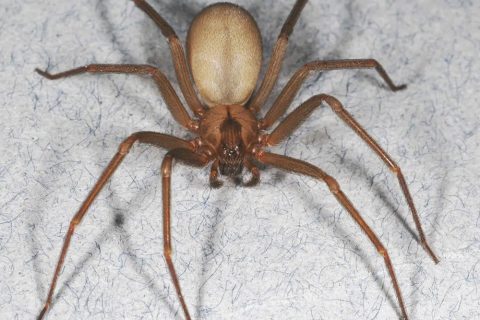
Others can be dangerous. Brown recluse spiders have a violin-shaped mark on their back and six eyes arranged in pairs. Black widows are shiny black with an hourglass shape under their belly.
Both carry venom that can harm humans or pets. Always be cautious if you encounter these types indoors or outdoors!
Where do they like to hide
Spiders love quiet corners. They hide in basements, attics, and closets where people rarely go. Gaps around windows and doors make great spots, too.
They stick close to food sources, such as insects. You might see them near plants, vents, or heaters. Damp places like bathrooms or laundry rooms are also favorites. Cluttered areas and storage boxes attract them as well.
Outside, they hide in woodpiles or debris near the house during colder months.
Signs of a Spider Infestation
You might notice clues that spiders have moved in. These small signs can mean it’s time to act fast.
Frequent web sightings
Spiders often leave messy webs in corners, basements, and attics. These spots are their favorite hiding areas. Orb weaver spiders build large webs near windows or gardens, making them easy to spot outdoors.
Regular web sightings in the same places suggest active spider habitats. Cluttered or seldom-cleaned spaces invite more webs. Dusting and vacuuming can remove these quickly, helping discourage their return over time.
Egg sacs and shed exoskeletons
Egg sacs often hide in corners, behind furniture, or inside storage boxes. Each sac can hold dozens or even hundreds of spider eggs. These sacks may stick to walls, ceilings, or under tables.
Removing them quickly stops new spiders from hatching indoors.
Shed exoskeletons tell you spiders are active and growing nearby. You might find these near baseboards, under furniture, or within cluttered spaces like closets. Frequent discoveries of egg sacs and skins suggest a severe infestation is building up in your home.
Increased presence of insects
Spiders follow their food. If your home has many flies, gnats, or roaches, spiders will come too. Unsealed trash or pet food attracts insects, increasing the problem.
Outdoor lights can also bring bugs close to windows and doors. This attracts spiders inside for an easy meal. Reducing insect numbers helps limit spider infestations effectively.
Quick and Effective Spider Removal Methods
Get rid of spiders fast with simple tools you already have. Clear webs and keep your space spider-free—it’s easier than you think!
Use a vacuum to remove spiders, webs, and egg sacs
Vacuuming works great to clear spiders, webs, and egg sacs. Use a hose attachment to reach corners and baseboards where they hide. Focus on storage rooms, basements, and attics since these spots see less foot traffic.
Empty the vacuum bag or canister right after cleaning. This stops spiders from crawling back into your home. Regular vacuuming keeps spider habitats disrupted and reduces re-infestations without chemicals or sprays.
Capture and release methods
Use a cup and paper to trap spiders. Slide the paper under the cup, lift it carefully, then release the spider outside. Wear gloves for safety if you aren’t sure of the species.
Glue traps work well in corners or hidden areas. These can catch spiders without harming them, allowing easy release later. Avoid this method for venomous species and call pest control instead.
Apply contact sprays or spider-repellent aerosols
Spray contact solutions to kill or repel spiders fast. Store-bought sprays work well on visible spiders in corners, behind appliances, and near doors. A homemade mix of water and vinegar or essential oils like peppermint can do the job too.
Spider-repellent aerosols act quickly on sight. Follow label instructions for safety around kids and pets. These sprays control spiders right away but won’t stop them in the long term. Spray entry points to keep more from coming inside!
Natural Remedies to Get Rid of Spiders
You can use simple household items to keep spiders away—learn how to combine them for a spider-free home!
Peppermint, tea tree, eucalyptus, or citrus essential oils
Mix 5 to 10 drops of peppermint or tea tree oil with one cup of water. Spray this around windows, doors, and cracks to repel spiders. Cotton balls soaked in these essential oils work well, too.
Place them in corners, crawl spaces, or near houseplants where spiders might hide.
Eucalyptus and citrus oils also keep spiders away. Orange oil is an excellent choice for mopping floors when mixed with dish soap. Use 15 to 20 drops per bucket of water for a fresh scent that naturally deters pests.
Avoid using tea tree and citrus oils if you have pets, as they can be harmful to them. Reapply these treatments often since the smell fades over time.
Vinegar and water spray solution
Spiders hate the smell of vinegar. Mix 1 cup of white vinegar with water in a spray bottle. Spray it around corners, windows, and entry points to keep spiders away. The scent disrupts their navigation and makes them avoid treated areas.
Leave out coconut oil if you have pets for extra safety. This solution is cheap and easy to make at home. Apply it often for the best results, especially in hidden spots where cobwebs appear.
Coconut oil as a surface treatment
Mix 1 teaspoon of coconut oil with 1 cup of white vinegar. This creates a strong spray that helps keep spiders away. Spray it on clean surfaces after removing webs to stop them from coming back.
Coconut oil forms a slick barrier, making it hard for spiders to settle again. It is safe for most surfaces and homes with kids. Reapply every few days for the best results. Always check if this blend is safe around pets before use.
Crushed chestnuts or saline solution
Place crushed chestnuts near entry points to keep spiders away. These work well in closets, basements, and window sills. Cedar wood can do the same job too. Both are non-toxic and safe for homes with kids or pets.
A saline solution also helps kill spiders on contact. Mix 1 ounce of salt into 1 gallon of warm water. Spray it directly on spiders, webs, or nests. This is an easy natural pest control method for small spider problems indoors.
Chemical Options for Spider Control
Use spider-specific sprays to target them quickly. Follow directions carefully to keep your home safe.
Residual insecticides and perimeter sprays
Residual insecticides kill spiders for weeks after spraying. These are perfect for basements, attics, and storage rooms where spider problems don’t go away easily.
Perimeter sprays stop spiders from getting inside by treating the foundation and entry points outside your home. They work especially well if you have woodpiles or lots of plants near your house.
Reapply them as directed to keep control long-term.
Spider-specific sprays
Spider-specific sprays kill spiders fast. These sprays often contain pyrethroids or pyrethrins, insecticidal ingredients. You can find products for both indoor and outdoor use.
Spray corners, baseboards, or behind appliances where spiders hide.
Some sprays target venomous spiders, such as black widows and wolf spiders. Read labels to check if they work on dangerous species. These formulas act quickly but may need repeat applications for lasting results.
Always store sprays safely away from pets and children.
Safe use and storage guidelines
Read labels on insecticides before use. Follow all safety steps listed. Keep chemicals away from kids and pets. Use gloves or masks if the label says to do so.
Store sprays and pesticides in a locked cabinet. Do not place them near food or pet areas. Dispose of empty containers safely, following local rules. Ask a pest expert if you feel unsure about proper use.
Spider-Proofing Your Home: Prevention Tips
Keep spiders out by sealing cracks, cleaning hidden spots, and reducing clutter—discover more tips to make your home spider-free!
Seal cracks and gaps
Use caulk to seal cracks and gaps around windows, doors, and foundations. Focus on areas where utilities, such as cables or pipes, enter your home. This keeps spiders out for good.
Weatherstripping helps seal door edges. Inspect seals regularly to prevent new entry points from forming over time. Sealing gaps prevents spider infestations and reduces the need for chemical treatments.
Install door sweeps and window screens
Add door sweeps to close gaps under doors. Spiders often crawl inside through these spaces. Magnetic or brush-style sweeps give extra protection. These are cheap and easy to maintain.
Check all window screens for holes or tears. Fix any damage right away. Use screens with fine mesh to block even tiny spiders. This also keeps out their prey, like insects, improving spider prevention at home.
Declutter storage spaces
Clear out boxes, bags, and unused stuff from closets, basements, and attics. Spiders love hiding in piles of clutter where it stays dark and quiet.
Store items in sealed plastic bins instead of cardboard boxes. This keeps spiders away and makes organizing easier. Keep firewood or debris far from outside walls to avoid inviting them in.
Regular decluttering helps prevent spiders by reducing their hiding spots.
Reduce lighting that attracts insects
Turn off outdoor lights when you don’t need them. Insects love bright lights, and spiders follow where their food goes. Use motion-sensor lights to reduce the time the bulbs stay on.
Switch to yellow or sodium vapor bulbs instead of white ones. These attract fewer bugs near doors and windows. Place any outdoor lights away from entry points, such as doors or patios.
This can help keep spiders out of your home, too!
Regularly clean hidden areas
Dust and vacuum corners, baseboards, and behind furniture often. These spots are spider favorites. Clean out storage spaces like closets or attics to disrupt their hiding places.
Remove webs, egg sacs, and debris during cleaning. Use a steam cleaner as a chemical-free option for deep cleaning. Encourage family members to help for quicker results.
Outdoor Control Measures
Keep your yard tidy—this makes it harder for spiders to hide.
Trim vegetation and remove debris
Cut back bushes, trees, and plants by at least three feet from your house. This stops spiders from using them as bridges to enter.
Clear fallen leaves, grass clippings, and plant debris near the foundation monthly. Clean out unused pots or garden tools, too. This reduces hiding spots for spiders and their prey.
Keep woodpiles and compost bins away from the house
Store firewood at least 20 feet from your home. Elevate the wood off the ground to keep spiders and their prey away. Avoid stacking it directly against walls or near doors.
Place compost bins far from any exterior walls. Spiders often hide in these areas when hunting insects. Check woodpiles regularly for spider activity before bringing anything inside.
Outdoor storage management helps reduce infestations indoors.
Treat outdoor perimeters and sheds
Spray residual insecticides around your home’s foundation, garage doors, and sheds. Focus on cracks and gaps where spiders may sneak in. Use spider repellents with essential oils like peppermint for a natural touch.
Check the label for reapplication timing, especially after rain. Homes near woods or fields often need outdoor treatments. Keep woodpiles and compost bins far from walls to cut down spider entry points.
When to Call Professional Pest Control
Some spider problems need expert help. Call an exterminator if the situation feels too big to handle.
Repeated infestations
If spiders keep coming back, there may be hidden entry points or structural problems. Gaps in windows, doors, or walls can let them inside. Regular pest inspections help find these weak spots.
Professional exterminators like Orkin, Terminix, or PestFree365 offer year-round control plans. They use methods like pyrethrins and neonicotinoids to handle large infestations quickly.
Routine maintenance stops pests from returning.
Presence of venomous species
Venomous spiders like the Brown recluse, Black widow, Yellow sac, or Hobo spider can be dangerous. Their bites may cause serious health issues, especially for kids and pets. Some reactions include pain, swelling, or more severe symptoms that need medical help.
Call pest control right away if you spot these species. Professionals have tools to safely remove venomous spiders and check for nesting spots or entry points. Special treatments target these spiders while keeping your family safe from harm.
Large-scale spider webs
Large spider webs in basements, attics, or storage rooms usually mean a large infestation. These webs often hide breeding populations with nearby egg sacs. Spiders create these dense structures to catch insects such as mosquitoes and flies.
Professional pest control helps remove big web clusters safely. Experts use specialized tools to clean hard-to-reach areas. Regular follow-up visits ensure spiders don’t return or rebuild their webs.
This also reduces the chances of running into venomous species at home.
Final Tips
Getting rid of spiders takes effort, but it works. Keep your home clean and seal cracks to block their entry. Use natural or chemical repellents to remove them quickly. For venomous ones or big infestations, call pest control experts.
With these tips, you can keep your home spider-free!