Share
Share Facebook
  Twitter
  LinkedIn
  Pinterest
  Email
Email 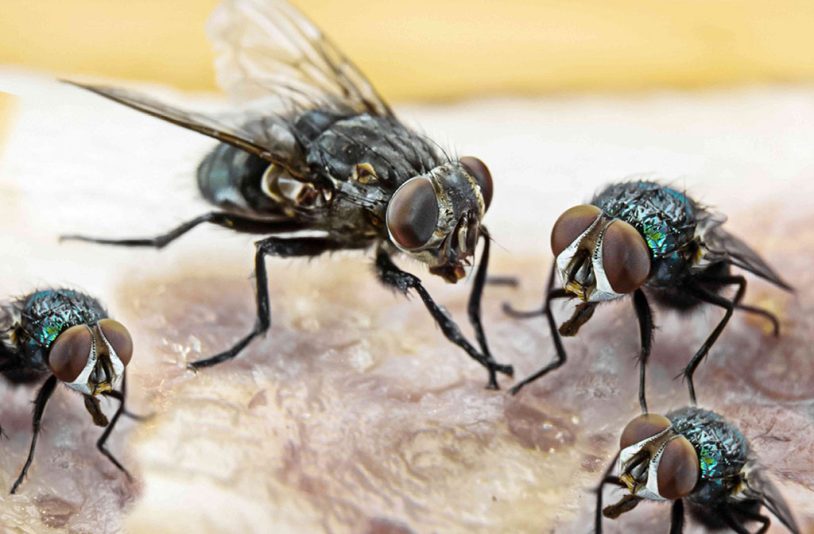
Flies are bothersome pests that can quickly invade your home. They hover around food, trash cans, and drains. This can be both unpleasant and frustrating, especially if you’re not sure how to get rid of them.
Flies can grow from eggs to adults in only ten days. If you don’t act quickly, a small issue can become a big infestation.
This guide will show you simple ways to get rid of flies. You’ll find cleaning tips, traps, and repellents here. Read on for easy solutions that really work.
Jump to Section [Hide]
Identify the Type of Flies in Your Home
Different flies can invade your home, each bringing its own problems. Knowing the type helps you pick the correct fix.
Houseflies (Filth Flies)
Houseflies, also called filth flies, breed in manure, rotting food, and garbage. They are the most common type of housefly and can carry millions of microorganisms. These pests spread bacteria by contaminating food and surfaces.
A single housefly can mature from an egg to an adult in only 10 days. This fast breeding makes them hard to control if left unchecked. Houseflies love the smells of food and animal waste. Proper sanitation is key to stopping infestations.
Fruit Flies
Fruit flies are tiny pests that love overripe fruit and decaying food. They often swarm bananas, apples, or other uncovered produce in warm, humid areas. These small flies can carry germs and may hint at improper food storage.
They breed quickly on organic matter, such as rotting vegetables or standing water. Leaving food out of airtight containers invites infestations fast. Regular cleaning helps stop their spread.
Keep your kitchen dry to limit breeding spots for these common pests.
Drain Flies
Drain flies, also called moth flies, gather near dirty drains and garbage disposals. They thrive in moist areas with organic buildup. You might see them in kitchens or bathrooms where moisture collects.
To stop them, clean your drains often. Use a drain cleaner or Bio Treatment Gel to break down scum inside pipes. Place bowls of petroleum jelly near the sink to trap them at night.
Persistent fly problems may mean clogged plumbing; check for any issues right away.
Cluster Flies
Cluster flies often gather on walls or ceilings. They like warm spaces in attics and upper rooms, especially during fall and winter. These nuisance flies breed in decaying matter or animal waste.
They sneak into homes through cracks around windows or doors. Spotting large groups of them may indicate a nearby breeding spot. Unlike houseflies, they are less likely to spread disease but can still cause frustration indoors.
Biting and Nuisance Flies
Stable flies, face flies, and flesh flies are common biting pests. Mosquitoes also fall into this group. These insects breed in decaying matter and animal waste. They can carry bacteria and viruses that harm humans.
Managing waste helps stop their spread. Promptly clear animal droppings to reduce breeding grounds. Use air curtains at doors to keep nuisance flies out of your home. High speeds of 1,600 feet per minute work best for this barrier.
Natural Remedies to Get Rid of Flies
You can try easy, natural ways to keep flies away. These methods are safe and work well if used correctly.
Apple Cider Vinegar and Dish Soap Trap
Mix 1 cup of apple cider vinegar with a pinch of sugar and a few drops of dish soap. Cover the container with plastic wrap and poke small holes in it. Flies will smell the vinegar and enter through the holes, but won’t escape.
The dish soap breaks surface tension, so they drown.
This trap works well for houseflies and fruit flies. Place it near trash cans or where you see flies most often. It’s made from household items, non-toxic, and simple to set up. A similar method uses red wine instead of apple cider vinegar for the same effect.
Essential Oils (Lavender, Peppermint, Eucalyptus)
Lavender, peppermint, and eucalyptus oils are effective natural fly repellents. You can mix them with water to make a spray. Spray this mix around doors, windows, and trash areas to keep flies away.
Apply these oils to cotton balls or cloth strips, then place them in trouble spots like kitchens or near garbage cans.
Use diffusers to spread the scent indoors for added protection. These essential oils are safe for homes with pets and for food preparation areas. Reapply the sprays or refresh the cotton balls as needed to maintain their effect.
Flies dislike these scents so that they won’t stick around long!
DIY Sugar and Yeast Bottle Trap
Cut a plastic bottle in half. Mix ½ cup warm water, ½ cup sugar, and 1 teaspoon yeast in the bottom part. The yeast produces carbon dioxide, which pulls flies into the trap.
Place the trap where flies are common, like near trash bins or food scraps. Flies enter but can’t escape. When full, throw away the trap and make a new one if needed. It’s safe and doesn’t use chemical pesticides.
Citronella Candles and Natural Fly-Repellent Plants
Citronella candles can help keep flies away from doors and windows. They work effectively at outdoor events, such as barbecues or picnics. Place these candles near patio seating areas for optimal results.
Fly-repellent plants such as basil, lavender, mint, and bay laurel are great options too. Plant them in pots by entryways or windows to keep flies from coming inside. You can also hang dried herbs around your home to naturally deter flies.
These plants not only keep flies at bay but also provide a pleasant fragrance indoors and outdoors!
DIY Fly Repellents and Deterrents
Make simple fly repellents at home using things like natural sprays or clever tricks, great ways to keep flies away.
Cayenne Pepper Spray
Mix one tablespoon of cayenne pepper with 2 cups of hot water. Let it sit for 15 to 20 minutes, then pour the mixture into a spray bottle. Spray this in areas where flies gather, like door frames, windowsills, and near trash bins.
This natural fly repellent is safe for humans and pets. It keeps flies away indoors and outdoors, but avoid spraying near food or cooking surfaces. Reapply after cleaning or rain for the best results.
Orange Peels and Cloves
Place orange peels in areas where flies are a problem. Use small muslin bags to keep them neat and easy to move around. Add whole cloves or drops of clove oil for extra fly-repelling power.
Flies hate the smell of citrus and cloves. Replace the peels and cloves often, as their scent fades with time. Hang these sachets near entryways or inside trash bins to keep flies from getting too close.
This method is safe for kids, pets, and potted plants indoors or outdoors!
Petroleum Jelly Bowls for Sink and Drain Flies
Coat the inside of a bowl with petroleum jelly. This traps sink and drains flies that land on it. Put the bowl near drains or plumbing areas in your kitchen or bathroom. It works well because flies often come from these spots.
Replace the bowl once it fills with trapped flies. Petroleum jelly is safe and non-toxic, making it perfect for indoor use. Use this trick along with cleaning drains to stop an infestation early and monitor fly activity over time.
Homemade Herbal Sprays
Create a spray with essential oils like peppermint, lavender, eucalyptus, or lemongrass. Mix a few drops of your chosen oil with water in a dark glass bottle to keep it fresh. Spray this mix around windows, doors, and anywhere flies enter your home.
This spray repels flies and naturally freshens the air. It is safe for homes with kids and pets, but avoid spraying near food or dishes. Use it daily for the best results!
Effective Use of Fly Traps
Fly traps help target flies where they gather most. Place them smartly to keep pests away and reduce infestations fast.
Sticky Traps Near Entryways and Windows
Place sticky traps near doors and windows in high-traffic spots. These traps quickly catch adult house flies, fruit flies, and even fungus gnats.
They are non-toxic, safe for homes with pets or food areas, and simple to set up. Replace each trap when full to keep them working well. You can also check the number of stuck flies to see how bad the infestation is.
Electric Light Traps for Kitchens and Trash Areas
Electric light traps work well in kitchens and near trash bins. These traps use UV light to attract and kill flies without chemicals. They are safe, eco-friendly, and easy to use. Plug them into outlets near fly hotspots, such as pet food areas or garbage cans.
Empty the trap regularly to keep it effective. Many commercial kitchens rely on these devices for ongoing fly control. You can also set them up around your home for consistent results.
Electric traps help quickly reduce common houseflies, fruit flies, and other pests indoors.
Venus Flytraps and Other Carnivorous Plants
Place Venus flytraps near sunny windows or where flies often gather. These plants trap and digest flies, helping reduce indoor pest populations. Water them every 5 to 7 days to keep them healthy.
They are chemical-free and safe for homes.
Pitcher plants work well for catching flies, too. Both types of carnivorous plants add a decorative touch while naturally controlling pests like houseflies and fruit flies. Use them for long-term indoor pest control without sprays or chemical traps.
Clean-Up and Sanitation Tips
Keep flies away by tidying up spills, storing food safely, and clearing out trash.
Remove Food Scraps and Clean Up Spills Immediately
Clear crumbs and spills right away. Flies love food bits on counters, floors, and tables. Wipe surfaces after cooking or eating to keep flies away.
Dispose of food scraps in sealed bags daily. Unsealed scraps attract houseflies and maggots fast. Clean pet feeding areas, too, as leftover kibble can attract pests into your home.
Store Food in Airtight Containers
Use airtight containers for all food. Flies can’t get in, and your food stays fresh longer. Houseflies and fruit flies look for exposed grains, cereals, or pet food to lay eggs on.
Sealing them stops infestations before they start.
Warm weather makes this even more important. High heat lets flies thrive and spread faster. Keep leftovers and produce in the fridge if possible. This practice also prevents foul odors that attract pests like roaches and blow flies to your kitchen or pantry.
Wash Dishes and Empty Trash Regularly
Flies love dirty dishes and smelly trash. Wash your dishes right after eating to stop flies from finding food scraps. Leaving them overnight can attract common houseflies, fruit flies, and even nesting pests.
Take out the trash before it starts to smell. Double-bag strong-smelling waste, such as meat or fish scraps. Clean your trash cans often with dish soap and warm water, letting them dry thoroughly before putting in new liners.
Clean Drains and Garbage Disposals Thoroughly
Clean your drains once a month. Use tools like Invade Bio Treatment Gel to break down scum. This stops drain fly breeding. Leftover organic debris in garbage disposals attracts flies and should be removed.
Pour hot water into drains weekly to clear buildup. Petroleum jelly bowls can trap drain flies near sinks for monitoring. Persistent issues may indicate plumbing problems; call a plumber if needed.
Outdoor Measures to Reduce Fly Entry
Maintain Your Yard (Trim grass, remove pet waste)
Mow your grass regularly to prevent flies from resting and breeding. Tall grass gives flies, like the common housefly, a place to hide. Keeping it short helps reduce fly infestations, especially in warm seasons.
Clean your yard by picking up pet waste daily. Flies are attracted to animal droppings. Leaving them out can invite Musca domestica or even larvae. Remove decaying plants or straw, too, as these attract pests fast.
Check potted plants for drainage, as overwatering creates damp spots that attract flies.
Keep Outdoor Trash Bins Covered
Cover outdoor trash bins with tight-fitting lids. Flies love open garbage cans, especially ones with smelly waste. Use strong bags for food scraps and double-bag anything with a strong odor.
Place bins away from doors and windows to keep flies out of your house. Clean the bins regularly with bleach or soapy water to remove dirt and odors. Check compost heaps too, keeping them tightly covered in low-traffic spots.
Seal Cracks, Gaps, and Window Screens
Check your windows and doors for tears or holes. Fix any damage with fine mesh screens, such as 20 x 20 mesh. This keeps flies out, especially in warm months.
Seal cracks and gaps around foundations, windows, and doors. Use caulk or weatherstripping to seal entry points. These steps prevent flies from entering crawl spaces or basements.
Avoid Standing Water Around the Home
Standing water attracts flies and other pests, such as mosquitoes. Empty bird baths, plant saucers, and pet water bowls often. Clear gutters and downspouts to keep water from pooling around your home.
Fix leaks in the yard or around the house. Use a dehumidifier indoors to lower humidity levels. Improve drainage near your foundation to stop water buildup. These steps help prevent fly larvae from breeding nearby.
Long-Term Fly Prevention Strategies
Regular Cleaning Schedule
Clean your home daily to keep flies away. Wipe counters, wash dishes, and clean up spills as soon as they happen. Trash bins should be emptied often, especially in summer and fall when flies breed more quickly.
Deep clean every three months for long-term results. Scrub drains, garbage disposals, and compost bins to remove food waste that attracts houseflies or blow flies. Pay extra attention to pet feeding areas and litter boxes.
This routine helps stop breeding hotspots before they grow worse!
Use Fly-Repelling Plants Indoors and Outdoors
Place plants like basil, mint, and lavender near windowsills or doorways. These herbs keep flies away with their natural scents. Use potted versions for easy movement.
Hang dried herbs inside your home to add extra protection. Regularly water these plants to keep them healthy and effective. Rotate placement during different seasons for better coverage.
Monitor for Breeding Hotspots
Check trash, compost, and drains often for maggots. These spots are common breeding areas. Watch for clusters of flies on walls or windows. This can signal a hidden infestation nearby.
Inspect outdoor spaces for organic waste or debris buildup. Fly light traps help monitor high-risk areas, such as kitchens or areas near garbage bins. Use sticky traps to track fly activity inside and spot problem areas early.
Seasonal Checks and Pest Control Services (if needed)
Inspect your home every spring and fall for fly breeding spots. Look for cracks, gaps, or other entry points around windows and doors. Seal them to keep flies out. Warm weather often brings more flies, so stay alert during humid months.
If flies keep showing up no matter what you do, call a licensed exterminator. Choose pest control services that are insured and bonded for safety. Scheduling professional treatments yearly can stop future infestations before they start.
Final Tips
Getting rid of flies takes effort, but it is worth it. Clean your home, set traps, and use natural repellents to keep them away.
Stop infestations early with the right tools, like fly lights or sticky traps.
Focus on keeping food sealed and areas clean to prevent future issues. Small steps lead to a fly-free space!