Share
Share Facebook
  Twitter
  LinkedIn
  Pinterest
  Email
Email 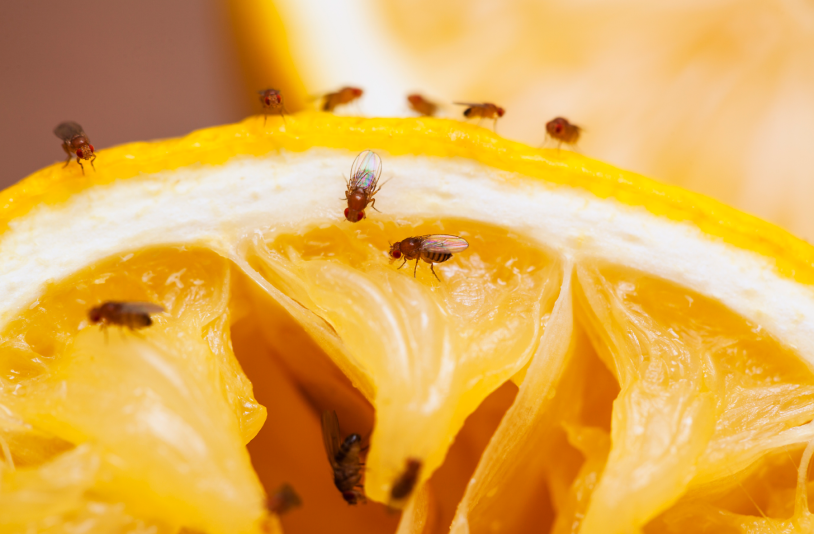
Fruit flies can quickly take over your kitchen. You may see them around fruit bowls, trash cans, or near the sink. They are tiny but very annoying. Once they show up, they multiply fast and are hard to get rid of.
Fruit flies are attracted to sugary foods, such as rotting fruit or spills on the counter. A female can lay up to 50 eggs a day. That’s why an infestation can get out of hand so quickly if you don’t act fast.
This guide will show you, step by step, how to get rid of fruit flies. Want to get rid of these bugs for good? Read on.
Jump to Section [Hide]
- Understanding Fruit Flies
- Spotting the Signs of an Infestation
- Find and Eliminate the Source
- Deep Clean Your Kitchen and Surroundings
- Clear and Clean Your Drains
- Homemade Fruit Fly Traps (DIY Solutions)
- Commercial and High-Tech Solutions
- Preventing Future Infestations
- Seasonal Tips and Special Considerations
Understanding Fruit Flies
Fruit flies love sweet smells and damp places. They quickly multiply, making it hard to control them if ignored.
What attracts them
Sugar and fermentation draw them in quickly. Overripe fruit, spilled juice, or even ketchup can become irresistible. A sticky kitchen counter, with traces of sugary liquids, becomes a feast for these pests.
They also seek out fermented items like beer, wine, and vinegar left open. Trash cans with food scraps or sink drains coated in residue are common hotspots, too. Even produce fresh from the store may already carry eggs, ready to hatch if not washed right away!
Common breeding grounds
Fruit flies breed in places rich with food scraps and moisture. Sink drains can hold up to 500 fruit fly eggs if not cleaned well. Trash cans, compost piles, and recycling bins are prime spots, too.
These often attract them to rotting produce or sticky residues. Dirty dishcloths, sponges, and mops also create ideal breeding grounds due to trapped sugars and liquids.
Unwashed fruits or vegetables may already carry eggs or larvae. Bottles with leftover wine, beer, or vinegar serve as tiny nurseries for these pests. Sugary spills on countertops provide the perfect place for females to lay more eggs quickly.
Keeping surfaces clean is crucial to preventing infestations early!
How quickly they reproduce
A single female fruit fly can lay up to 50 eggs each day. In just a few days, those eggs hatch into larvae, accelerating the infestation. Their entire life cycle, from egg to adult, is incredibly short.
They multiply even faster in spots like kitchen drains or garbage bins. If left unchecked, one fruit fly can quickly multiply into hundreds. Acting fast stops the problem from growing worse!
Spotting the Signs of an Infestation
Fruit flies are tiny but easy to spot if you know where to look. Check your kitchen carefully. Small swarms near produce or garbage can mean trouble.
Where to look
Check around overripe produce and stored fruits. Flies often hide near fruit bowls or open containers. Inspect trash, compost, and recycling bins for activity, too.
Look near sinks and drains as they attract flies. Empty bottles with sweet or alcoholic residue can also draw them in. Examine sponges, mops, and dishcloths, as they may harbor hidden larvae.
Flies may gather near sugary spills on countertops or even inside appliances like your microwave.
What fruit fly eggs and larvae look like
Fruit fly eggs are extremely tiny and hard to see with your eyes. They are laid on moist, sugary surfaces, such as overripe fruit or drainpipes. Eggs might also stick to unwashed produce from the store.
The larvae look like tiny white worms. You may spot them squirming in rotting fruits, drains, or organic debris. Their presence signals active breeding nearby. These eggs hatch fast, causing fruit fly numbers to rise quickly.
How to tell fruit flies apart from other insects
Fruit flies are easy to spot once you know what to look for. They are tiny, usually tan or orange, with bright red eyes. Unlike fungus gnats, which are black and often found near plants, fruit flies hover around fruits or sugary spills in your kitchen.
Drain flies have a different appearance, too. Their fuzzy bodies and wings set them apart from the smooth-bodied fruit flies. Houseflies are much larger than both of these pests. Look for their behavior; fruit flies stay near overripe produce and sticky surfaces while other insects do not follow this pattern as closely.
Find and Eliminate the Source
Check your fruits, trash cans, and drains. Getting rid of what’s drawing them in is the first step to kicking fruit flies out.
Inspect produce and overripe fruits
Wash and dry all your produce before storing it, as you prefer. Fruit flies patio devices might carry eggs, so rinse everything thoroughly to stop an infestation early. If fruit looks bruised or gets squishy, throw it out immediately.
Over-set time limits for this task, as rotting from gases only aggravates the problem already.
Start keeping your fridge secure; ripe fruits sealed spaciously in gas environments naturally maintain composure, also refrigerated tray alignment neat with approaches bedded effectively, better yield seasons!
Check garbage bins, compost, and drains
Garbage bins, compost piles, and drains are fruit fly magnets. Food scraps and sticky residues inside trash cans provide ideal places for them to breed. Compost bins without tight-fitting lids attract even more flies.
Take out the garbage daily and rinse bins with hot water regularly to kill eggs.
Drains often hide organic buildup where flies can lay up to 500 eggs at once. Use boiling water or enzyme-based drain cleaners weekly to sanitize these spots. Don’t ignore recycling bins either; unwashed bottles or containers lure flies too quickly.
Clean every bin thoroughly to prevent infestations from spreading further in your kitchen!
Look around sinks, sponges, and empty bottles
Check the sink area carefully. Fruit flies often lay eggs in drains. Wipe down the counters and around the sink to remove food splatters or moisture that might attract them.
Dirty sponges, wet mops, and used dishcloths can also serve as hiding places for flies or their eggs. Wash these items often, and replace sponges regularly. Nearly empty bottles of wine, vinegar, or beer can draw fruit flies, too.
Rinse containers before tossing them out to remove any residue. Keep bottles capped until you recycle them.
Deep Clean Your Kitchen and Surroundings
Start by clearing out all areas where fruit flies might lurk. Scrub every corner to remove food bits and sticky residue they love.
Remove infested food and clean food storage areas
Throw away any overripe or infested fruits right away. Wash and dry all fresh produce before storing to prevent eggs from clinging to the surface. Keep fruits and vegetables in the fridge or sealed containers.
This stops flies from laying eggs.
Check food storage bins, shelves, and pantries for crumbs or spills. Clean these areas with soap and water regularly. Use sealed containers for snacks or dry goods like flour and cereal to block fruit flies from accessing food sources.
Inspect often to prevent unnoticed breeding sites from forming in hidden spots.
Wipe down countertops and appliances
Clean countertops daily to remove crumbs, sugar, or juice spills. Even small messes can attract fruit flies quickly. Use a suitable cleaner to sanitize surfaces near cutting boards and fruit bowls.
Wipe sticky areas on your microwave, toaster, and oven, too.
Pay attention to hidden spots like under kitchen gadgets or corners near appliances. Flies love sugary residues you might miss at first glance. Regularly cleaning these spaces breaks their breeding cycle and keeps your kitchen pest-free.
Empty and sanitize trash cans and recycling bins
Empty trash cans and recycling bins daily to cut off fruit flies’ food sources. Use sealed trash bags and make sure lids fit tightly. Rinse all recyclable containers before discarding them to remove leftover food or liquid.
Sanitize the bins after emptying with a strong cleaner or vinegar solution. Scrape out any stuck residue, then let them dry completely before using again. This routine stops breeding grounds and keeps insects away from your kitchen.
Clean dishcloths, mops, and sponges
Dirty dishcloths, mops, and sponges can attract fruit flies. Wash these items often to keep them clean. Let them dry thoroughly before storing them in a dry spot. Wet cleaning tools are breeding grounds for fly eggs.
Replace old or heavily soiled sponges regularly. Clean mop buckets after each use to prevent water from pooling inside. Use disinfectant on cloths and mops weekly for extra protection against germs and flies.
Avoid leaving wet cloths out overnight, as this invites pests quickly!
Clear and Clean Your Drains
Check your drains for hidden food bits. Clean them nicely to stop fruit flies at the source.
Why are drains fruit fly hotspots
Drains collect food scraps, grease, and moisture. These make an ideal spot for fruit flies to lay eggs. They can hide in organic buildup inside pipes, where they’re hard to see.
Kitchen drains near garbage disposals are at higher risk because leftover food bits often get stuck there.
Fruit flies lay hundreds of eggs quickly. The damp environment speeds up their breeding cycle. Uncleaned drains become a hidden source of infestation since they’re often forgotten during regular cleaning routines.
Using drain gel or flushing with boiling water can help stop them from multiplying in these areas.
How to scrub and sanitize drains
Remove all drain covers and clean any visible debris or organic matter. Use a specialized drain brush to scrub the interior of the pipes, reaching as deep as possible. This helps remove food buildup where fruit flies lay eggs.
Avoid using bleach since it won’t solve the problem.
Coat the inside of the drains with a pipe-cleaning gel. Let it sit for the recommended time to kill remaining larvae or bacteria. Pour boiling water down after scrubbing to sanitize thoroughly.
Repeat if fruit flies persist, and make this part of your monthly maintenance routine.
Use of drain gel or boiling water flushes
Fruit flies love drains because of organic buildup. Drain gel works by coating the inside of pipes, killing eggs, and clearing debris. Use it as directed to ensure safety for kids and pets.
Regular use keeps your drains clean and unappealing to fruit flies.
Boiling water is another excellent option. Pour it slowly down the drain to sanitize without chemicals. Repeat this weekly to prevent infestations. Avoid harsh cleaners that might damage plumbing or harm your household environment.
Homemade Fruit Fly Traps (DIY Solutions)
You can make simple traps at home to catch fruit flies fast. These use everyday items and can be set up in minutes!
Apple cider vinegar and plastic wrap trap
Use a bowl and fill it with apple cider vinegar. Add a few drops of dish soap to the vinegar. Cover the top tightly with plastic wrap, then poke small holes in it with a toothpick or fork.
The strong smell of the apple cider vinegar attracts fruit flies quickly.
Fruit flies crawl through the tiny holes but can’t escape once inside. The dish soap breaks the surface tension, making them sink and drown. For better results, warm up the vinegar in the microwave for 5-10 seconds before setting up your trap.
Leave this overnight near problem areas, such as sinks or trash bins, for maximum effect. It’s cheap and easy to make!
Dish soap and sugar water trap
Mix water, sugar, and a few drops of dish soap in a glass. Leave it uncovered near fruit fly hotspots, such as sinks or countertops. The sweet sugar attracts the flies while the dish soap breaks the water’s surface tension.
Flies land on the water and drown.
Replace this trap every couple of days for better results. It works well in small kitchens or confined spaces where fruit flies gather quickly. Monitor and empty it regularly to keep your space clean and pest-free!
Rotten fruit and the jar method
Place a piece of rotting fruit in a mason jar. Use leftover or discarded fruit as bait. Roll a piece of paper into a cone shape, leaving the small end open, and insert it into the jar’s opening.
This funnel directs flies inside but traps them because they can’t escape through the narrow hole.
Position the jar near trash cans or fruit bowls where flies gather most. Check daily to see if flies are trapped. Replace dried-out bait with fresh rotting fruit to keep it effective.
Once full, seal the jar tightly and dispose of it to easily capture and remove captured flies.
Wine or beer trap variation
Pour an inch of leftover wine or beer into a glass. Cover it tightly with plastic wrap, then poke small holes in the top. The smell of alcohol will draw fruit flies inside. They can enter through the holes, but won’t escape.
This trap works well near recycling bins or bar areas. Discard the bottle once full of flies and repeat as needed. It’s handy after parties or if you use alcohol often at home. Check daily to ensure effectiveness and replace when required.
Commercial and High-Tech Solutions
Try advanced tools like sprays, UV traps, or electric zappers—explore these solutions to tackle fruit flies for good!
Store-bought fruit fly sprays and traps
Store-bought traps work wonders for fruit flies. Terro brand traps are a top choice and last up to 45 days. Find them at stores like Lowe’s. These traps specifically target fruit flies, making them more effective than many DIY solutions.
Follow the instructions on the packaging for safe use. Replace traps as recommended to keep them working well. Keep all sprays and traps away from food prep areas for safety.
UV light traps and electric zappers
UV light traps use blue and UV lights to attract fruit flies. These devices plug into a standard outlet, making them easy to set up at home. Zevo insect traps are a popular choice.
They work on fruit flies, houseflies, and mosquitoes. Place these traps away from food areas for the best results.
Electric zappers offer another effective solution. These high-tech gadgets zap flies instantly upon contact, sparing you the hassle of sticky traps or sprays. Use them near garbage bins or entry points where flies gather most often.
When to consider pest control services
DIY traps and sprays don’t always work. If fruit flies keep coming back or hiding places can’t be found, it’s time to call professionals like Palmetto Exterminators.
Exterminators handle infestations that seem hidden or hard to control. They check overlooked spots and remove fruit fly eggs for good. A professional pest service ensures safe, proper treatment of drains, bins, and nesting areas.
Preventing Future Infestations
Keep your kitchen clean and organized to avoid future problems. Small habits can make a big difference. Stay consistent!
Store fruits and veggies in the fridge or sealed containers
Store fruits and veggies in the refrigerator to stop fruit flies from breeding. Cold temperatures prevent their eggs from hatching. For produce like bananas or avocados that can’t be refrigerated, use sealed containers.
This keeps flies out while keeping your food fresh.
Cover fruit bowls or add natural deterrents, such as bay leaves, near them. Use airtight containers for dry goods to keep pests away, too. Rotate and label your stock regularly so nothing gets too ripe before you notice.
Regularly clean sink drains and garbage disposals
Clean your sink drains monthly to stop fruit flies from breeding. Food scraps and grease can gather there, creating the perfect home for eggs and larvae. Pour boiling water down the drain or use a safe drain gel to clear out buildup.
Garbage disposals also trap food bits that attract flies. Run it with cold water after each use to clear debris. Scrub both the disposal and drain with a brush weekly. This habit keeps hidden eggs from hatching into pests!
Take out the trash and compost frequently
Empty your kitchen trash daily, especially during fruit fly season. This stops flies from breeding in scraps and food waste. Use sealed bags to hold garbage before taking it out. Make sure bins have tight-fitting lids to keep flies out.
Compost bins should not sit too long indoors. Empty them regularly and rinse them out to remove residue that attracts flies. Rinse containers, like yogurt cups or cans, before putting them in the recycling, as leftover food bits can attract pests.
Avoid leaving out dirty dishes or food scraps
Dirty dishes left overnight can become a favorite of fruit flies. Wash plates and utensils right after meals or rinse them before stacking. Food scraps on these dishes attract pests quickly, creating an easy breeding ground.
Clean tables and countertops immediately after eating. Wipe crumbs and spills to remove temptations for flies. Discard food waste in sealed containers or compost bins quickly. Don’t leave pet food out too long either, as it can also attract them.
Rapid cleanup will stop flies from multiplying around your home!
Use tight-fitting lids for bins and compost
Tight lids keep fruit flies away from bins and compost. Fruit flies crawl through tiny gaps, so check for cracks or loose areas in the lid. Replace any damaged lids immediately to prevent their entry.
Secure lids also trap odors that attract flies. Choose pest-proof bins with proper seals for better results. Keep your garbage and compost clean by washing them regularly, especially if they hold food waste, such as overripe fruits or veggies.
Seasonal Tips and Special Considerations
Warm weather often makes fruit fly problems worse. Be extra careful with food storage during this time. If you’re heading out of town, clear your counters and dispose of perishables to avoid coming back to an infestation.
Managing infestations during warmer months
Fruit flies thrive in warm weather, especially during late summer and early fall. Store all produce in the fridge during heat waves to keep it away. Increase cleaning efforts by wiping down counters, sanitizing trash bins, and washing dishcloths often.
Keep your sink drains clear, as they are prime breeding grounds.
Set out extra traps to monitor fly numbers as the heat rises. Take out garbage and compost daily to stop infestations from spreading. Avoid leaving open food or drink containers on counters overnight.
Educate everyone at home about these risks so efforts stay consistent through the season.
What to do when traveling or leaving food out overnight
Throw out perishables like fruits and veggies before leaving home for multiple days. Wash produce that you plan to keep or store in the fridge to avoid pests.
Empty trash, compost, and recycling bins completely. Clean your counters, sink drains, and food storage areas thoroughly. Set traps with apple cider vinegar or sugar water for extra protection while you’re away.
Unplug appliances with food scraps inside if possible. If you’re gone for an extended period, ask a neighbor to check your house for any issues on your return.
Final Tips
Getting rid of fruit flies doesn’t have to be hard. Tidy up your kitchen, clean drains, and store food properly.
Stay consistent with cleaning habits to prevent them from returning.
With a little effort, you can keep your home fruit fly-free!