Share
Share Facebook
  Twitter
  LinkedIn
  Pinterest
  Email
Email 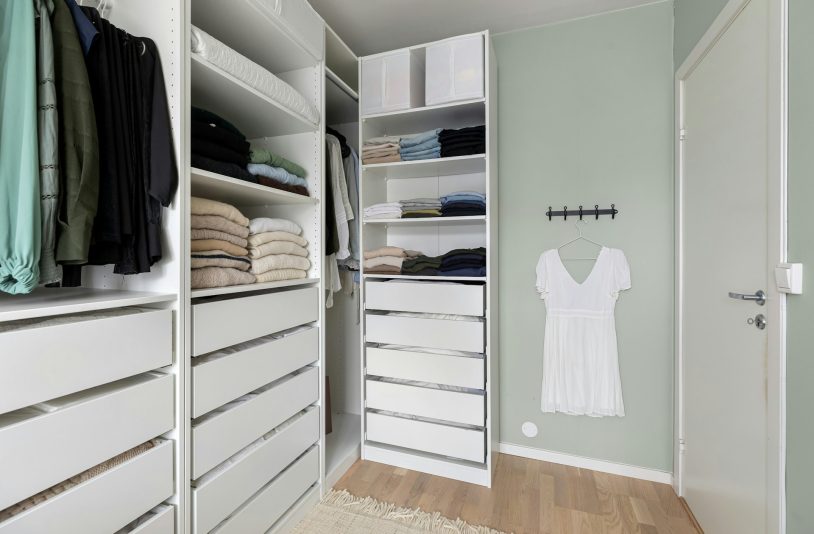
It’s easy to feel stressed when you can’t find what you need or forget what you already have. A cluttered closet can turn getting dressed into a daily frustration instead of a quick and easy task.
A well-organized closet is lovely to look at but also saves time, reduces stress, and maximizes your wardrobe’s potential. Decluttering can help clear your mind and simplify your daily routine, making your mornings feel less rushed and more productive.
This guide will walk you through simple steps for decluttering, planning storage, and maintaining a neat space for the long haul.
Ready to transform your closet into a functional and calming space? Let’s get started!
Jump to Section [Hide]
Step 1: Preparing for Closet Organization
Getting ready to organize starts with a bit of preparation. Clear the space and note what you need for better storage solutions.
Set a Clear Goal for Your Closet
Decide what you want from your closet. Do you need better storage, faster outfit choices, or more space? Clear goals stop stress. A good plan also prevents wasting money on unneeded items.
Match your closet design to your lifestyle. If you love handbags or knitted clothes, focus on those. If seasonal storage is a priority, include bins and shelf dividers in your plan.
Empty Your Closet Completely
Take everything out of your closet. Pull every item, bag, shoe, and box. Lay them on your bed or floor to see what you have. This gives you a clear view of the amount of material available.
With the space empty, clean it well. Dust shelves and wipe down surfaces. Sweep or vacuum the floor to remove dirt. A fresh closet feels excellent for starting new organization systems!
Clean and Freshen Up the Space
Wipe down every surface inside your closet. A damp cloth removes dust and cobwebs from shelves, drawers, and other hard-to-reach areas. Use mild soap or a gentle cleaner on hard surfaces for a deeper clean.
Vacuum the floor to remove dirt and loose debris. If your closet has carpet, consider steam cleaning it for a fresh scent. Add a natural deodorizer, such as lavender sachets or baking soda, to help prevent odors.
Ensure the space smells clean before you move anything back in.
Measure and Assess Your Closet Space
Take a tape measure and measure the height, width, and depth of your closet. Write these numbers down. Then, count the shelves, rods, and hooks to see what’s already there.
Consider the quantity of clothing you have in each category, such as shirts, pants, and shoes, and match it with your space. This will help you plan for proper closet storage solutions, such as bins or dividers, later.
Step 2: Decluttering Your Closet
Begin by sorting your closet items into separate piles. This will make the process easier and help you determine what to keep and what to let go of.
The Declutter Process: Keep, Toss, Donate, or Sell
Sort your clothes into four piles: keep, toss, donate, and sell. Use a box or bag for each pile to stay organized. Ask yourself if you wear the item often or if it fits well. If yes, place it in the “keep” pile.
If you have items in good shape but no longer valuable, consider donation centers like Green Drop Charitable Donations or Big Brother Big Sister Foundation. For extra cash, you can also sell lightly used clothes online or at consignment stores.
Toss anything damaged beyond repair, such as stained shirts with holes, that cannot be reused safely.
How to Decide What to Keep
Keep items you’ve worn in the past year. If they haven’t left the hanger, it’s time to let go. Use the “five outfit rule” to pair them with five different outfits. If not, consider donating or selling them.
Ask yourself if each piece sparks joy, as Marie Kondo suggests. Checking for damage, wear holes, and stains often means it’s time to toss. Prioritize clothes that fit your lifestyle now, not just someday.
Tips for Letting Go of Sentimental Items
Start with the 12-12-12 rule. Choose 12 sentimental items to keep, 12 to donate, and 12 to discard. This helps ease the process without overwhelming you.
Ask yourself if the item brings joy or serves a purpose. If it’s just taking up space, consider donating it. Instead of keeping items physically, take photos of them for memories.
Step 3: Planning Your Closet Layout
Consider how you use your clothes daily. This can shape the layout of your closet. Create a plan that suits your needs and lifestyle easily.
Evaluate Your Storage Needs
Count how many items you have. Measure your closet’s space carefully. Write down the numbers to avoid guessing later.
Think about what storage solutions work best for you. If you need more shelf space, add dividers or bins. If you have too many shoes lying around, add a shoe rack. Use slim hangers to fit more clothes in tight spaces.
Consider Your Lifestyle and Wardrobe Habits
Think about how you dress daily. Do you need work clothes, gym gear, or casual outfits more often? This helps decide what items deserve prime closet space. If you rarely wear evening gowns, store them on higher shelves or in storage bins.
Focus on your routine and preferences. A minimalist wardrobe means keeping fewer items that work together. Do you love bold colors? Group clothing by shades for easy matching. Use the 12-12-12 rule to maintain a balanced approach. Keep 12 favorites while donating or discarding a total of 24 pieces.
Keep it simple and practical!
Plan Zones for Different Item Categories
Divide your closet into sections based on clothing categories. Keep shirts, pants, dresses, shoes, and accessories in their zones. This method keeps things tidy and easy to find.
Store similar items together for quicker access. Place daily wear at eye level. Use shelves or bins for handbags and seasonal clothes, placing them higher up. A simple system like this prevents future closet disorganization!
Step 4: Organizing Your Closet Effectively
Start by giving each item its place. Use tools like dividers, bins, or racks to organize everything neatly and make it easy to find.
Sort Items by Category
Group clothes into categories like tops, pants, dresses, and jackets. Do the same with accessories such as shoes, handbags, or belts. Place similar items together to make everything easy to find.
Separate them further by style or use, like casual versus formal wear. This will keep your closet organized and help you get ready each day more quickly.
Use Slim, Uniform Hangers
Use slim, velvet hangers to save space in your closet. Amazon Basics sells a pack of 50 for $23, making them an affordable and wise choice. These hangers are thin yet sturdy, keeping clothes neat without occupying unnecessary space.
Mawa Euro hangers are another great choice. A set of 10 costs $30 and helps prevent clothes from slipping. Uniform hangers give your closet a clean appearance while helping you organize more effectively.
Avoid bulky plastic or wooden ones. They waste precious space!
Add Drawer Organizers and Dividers
Place drawer organizers to sort small items, such as socks, ties, or undergarments. The Container Store Dream Drawer Organizers, available in a 2-pack for $10, are an excellent choice for easily fitting into different spaces.
Dividers keep everything neat and save you time by preventing the need to dig through messy drawers.
Use these tools to categorize your clothes. This also helps make the best use of space in smaller closets. You’ll find it easier to store accessories like belts or handbags while keeping your closet clutter-free!
Install Shelf Dividers
Divide your shelves for better organization. If your shelves are up to 0.75 inches thick, use Lynk Tall Shelf Dividers. These cost $15 and work well on thinner shelves.
For thicker shelves, consider The Container Store Elfa Décor Shelf Divider, available for $8 each. These fit shelves up to 1.5 inches thick and keep things neat, especially folded clothes or handbag storage!
Use Storage Bins for Seasonal Items
Sort your seasonal items into storage bins to save space. Tuck away winter coats, swimsuits, or holiday decorations when not in use. Clear bins make it easy to see what’s inside without needing to open them.
Choose durable options, such as Misslo Jumbo Zip Storage Bags, for $24. Stackable bins also work well for tight spaces. Label each bin with the season or contents to find things quickly next year.
This simple system keeps clutter out of sight but within reach!
Invest in a Shoe Rack or Organizer
A shoe rack keeps your shoes tidy and easy to find. The Yamazaki Tower Shoe Rack Tall costs $65 and saves space. It’s perfect for small closets.
If you have multiple pairs, consider using a shoe organizer. This clears floor space and protects your shoes from damage. Before buying one, ensure the size fits your closet layout.
Step 5: Maximizing Closet Space
Use every inch of space wisely. Small changes can make a big difference. Keep reading to discover clever ways to transform your closet!
Utilize Vertical Space
Hang rods at different heights to double your storage. Place shelves closer to the ceiling for items you don’t use every day. Install wall hooks for belts, bags, or scarves. Over-the-door organizers can hold shoes or accessories without occupying extra space.
Keep seasonal clothes in labeled bins on higher shelves. Use multi-tier hangers for more pants or tops in one spot. Stackable storage options, such as clear boxes, help maximize upper areas while keeping items easy to find.
Add Hooks for Accessories
Hooks make organizing easy. Attach them to walls, doors, or shelves for added storage space. The Spectrum Duchess Over-the-Door 5-Hook Rack ($28) is ideal for scarves, bags, or belts. It fits over most doors and saves space.
The iDesign Axis 8-Hook Wall-Mounted Rack ($20) is great too. Mount it on a wall to keep necklaces untangled or hats in one spot. These hooks help you find everything quickly while keeping your closet neat!
Use Over-the-Door Organizers
Hang an over-the-door organizer to save space. These are great for shoes, bags, or small accessories. The Yamazaki Home Over-the-Door Hanger costs $22 and works well for everyday items.
Try the Spectrum Duchess Over-the-Door 5-Hook Rack for an additional $28 for more hooks.
You can use them on closet doors or bedroom doors. They’re simple to set up and don’t take up floor space. This keeps your area neat while adding extra storage without effort.
Store Items Under Hanging Clothes or on Top Shelves
Use clear bins to store items under hanging clothes. These bins keep things tidy and easy to find. Stackable options work best for saving space. Seasonal clothes or bedding fit well here. Use Spacesaver Vacuum Storage Bags to compress them by 60%.
Place less-used items, such as holiday decorations or keepsakes, on top shelves. For better organization, use Lynk Tall Shelf Dividers. They cost $15 and fit shelves up to 0.75 inches thick.
Label boxes so you can grab what you need quickly without making a mess!
Consider Multi-Tier Hangers
Save space with multi-tier hangers. These hangers allow you to stack clothes vertically instead of horizontally, enabling you to fit more items in your closet without occupying extra space.
Try options like Mawa Euro Space-Saving Hangers, which cost $30 for a 10-pack. They hold multiple pieces and keep them wrinkle-free. Perfect for small closets or shared spaces!
Closet Organization Ideas for Different Spaces
Closet organization can vary depending on the type of space. Learn creative tips to maximize walk-ins, small areas, or shared spaces!
Walk-In Closets
Walk-in closets offer space to showcase your wardrobe. For $150, IKEA’s Boaxel Wardrobe Combination is an affordable closet system that helps organize hanging clothes and folded items neatly.
Spruce up storage with The Container Store’s Elfa Closet, starting at $1,000 for wood options. Add drawer organizers, shelf dividers, or hooks for accessories. Keep shoes tidy with a rack or bins under hanging clothes.
Small Closets
Small closets can feel cramped, but clever tricks can maximize the space. Use vertical storage, such as the ClosetMaid Stackable Vertical Organizer ($32–$95). Add hooks on doors for belts or bags.
Multi-tier hangers save space by allowing you to stack pants or scarves.
Store seasonal clothes in bins under hanging items or on top shelves. Slim, matching hangers free up extra inches and make things look tidy. Divide drawers to easily organize socks and accessories.
Every inch counts. Plan wisely!
Shared Closets
Shared closets can feel tricky, but with thoughtful planning, they work well. Start by setting clear zones for each person’s items. Use shelf dividers or labeled bins to keep belongings organized and easily accessible.
Slim hangers save space while keeping clothes neat. Install hooks for shared accessories, such as scarves or hats. Use over-the-door organizers for shoes or smaller items to maximize every inch of space available in your closet.
Maintain a routine decluttering plan to keep the shared area tidy and functional.
Maintaining an Organized Closet
Keeping your closet neat takes effort, but it’s worth it. Simple habits can make staying organized much easier over time.
Label Storage Bins and Boxes
To stay organized, label bins and boxes. Clear labels help you find things quickly without having to dig through everything. Mark seasonal items, such as scarves, sweaters, or holiday decorations.
Labeling reduces clutter and saves time.
Experts like Beth Penn say labeled storage makes a system easy to maintain. Use large letters or color-coded tags for even quicker identification. This keeps your closet neat and boosts your closet maintenance routine!
Create a Seasonal Switch-Out System
Rotate your clothes according to the season. When it’s summer, pack away heavy jackets and sweaters and bring out lighter outfits as the weather gets warmer.
Use clear bins or labeled boxes to store items that are not in use during the off-season. Keep them under your bed, on top shelves, or in storage spaces. This helps free up room for what you need now!
Routinely Declutter and Edit
Stay on top of your closet by decluttering it often. Aim to review and edit your wardrobe every three months. This helps keep things organized and prevents clutter from building up over time.
Use the same method as before: keep, toss, donate, or sell items you no longer need.
Check for clothes that no longer fit or match your style. Donate clothes in good condition to help others while freeing space. Regular editing saves time later and keeps everything neat!
Add a “Still Clean” Basket for Worn Clothes
Place a “still clean” basket for clothes you’ve worn but don’t need to wash. Use it for jeans, sweaters, or jackets that aren’t dirty but can’t go back on hangers.
This prevents mixing these with spotless clothes.
Keep the basket in a convenient location in your closet. Choose one that matches your storage needs. Small rooms might need stackable bins or under-shelf baskets. This system keeps things neat and helps with closet decluttering!
Weekly and Monthly Maintenance Tips
Tidy your closet every week. Re-hang clothes and fold items neatly. Check for damaged or unnecessary pieces daily and remove them promptly.
Every month, take a deeper look. Rotate seasonal items if needed. Dust shelves and vacuum the floor to keep things clean and fresh. Use this time to update any wardrobe changes as well.
Additional Closet Organization Hacks
Brighten up your closet space with innovative lighting options, making it easier to find items. Personalize the area with creative DIY touches that fit your style.
Lighting Up Your Closet
Add LED strip lights under shelves for a bright and modern look. Motion-sensor lights work great if you need quick access in dark spaces.
Select fixtures with warm tones to make colors pop while maintaining a cozy ambiance. Good lighting helps you see your inventory clearly, saving time when getting dressed!
DIY Closet Organization Ideas
Make your shelf dividers with cardboard. Cut them to size, wrap them in contact paper, and slide them onto shelves. Use these to keep sweaters or bags neat.
Turn old jars into storage for belts, scarves, or small accessories. Attach hooks to the lids and screw them under a shelf for quick access. Try pegboards on closet walls to hang hats, jewelry, or ties for instant order!
Incorporating Aesthetic Touches
Add sleek baskets or textured bins to your closet for a polished look. Select colors that complement your style, such as neutral tones or soft pastels. Marissa Hagmeyer of NEAT Method suggests keeping the design simple but beautiful to avoid clutter.
Switch to standard hangers made of wood or velvet for a uniform and chic look. Use matching labels on storage boxes for a clean, organized look. Good lighting can also make your space inviting; consider adding LED strips or fairy lights.
The Bottom Line
Organizing your closet can be life-changing and straightforward. Clear goals, decluttering, and smart storage are key steps. These tips save time, cut stress, and make finding items easier.
Start small by choosing one section to tackle today. Consider what works best for your specific needs and lifestyle. Enjoy the calm that a tidy closet brings! Ready to get started? Grab those hangers…and go!