Share
 Facebook
 Twitter
 LinkedIn
 Pinterest
 Email
Many people struggle to keep their spaces tidy and organized, especially when life is busy or time is limited. A messy home can feel stressful and make everyday tasks more difficult.
Organizing doesn’t have to be difficult or take a long time. Start small to build a simple system that fits your needs.
This post gives you easy, step-by-step tips to organize every room in your home. Ready to get started? Keep reading!
Jump to Section [Hide]
- Set Your Goals and Start Small
- Declutter Before You Organize
- Group Items by Category
- Choose Storage That Fits Your Space
- Organize the Entryway
- Make the Kitchen Easier to Use
- Create an Orderly Living Room
- Simplify Bedroom and Closet Storage
- Streamline the Bathroom
- Set Up a Functional Home Office
- Make Playroom Cleanup Simple
- Organize the Laundry Room
- Tackle Garages, Basements, and Attics
- Build Practical Maintenance Habits
1. Set Your Goals and Start Small
Start with one area that bothers you the most. Sara Losonci, founder of Shelfie, says this helps ease frustration. Focus on cluttered spaces like closets or kitchens.
Break tasks into smaller steps. Spend 15 minutes a day organizing instead of hours at once. This approach makes it less stressful and easier to keep going. Small wins build confidence as you move forward in your home organization journey.
2. Declutter Before You Organize
Clear the clutter before organizing. Follow the KonMari Method from Marie Kondo to make this easier. Sort items by category, like clothing, books, or sentimental items. Focus on what sparks joy and let go of what doesn’t.
Tidy up toys before holidays to make space for new ones. Set limits for sentimental items too. Use small areas for keepsakes that truly matter. This step frees up room and makes organizing projects smoother later!
3. Group Items by Category
Sort similar items together. Keep tools by type, like hammers, nails, and screws. Use bins or bookends for DVDs, storing them with titles facing out for easy access.
Stand vinyl rolls upright in containers, separating them by type. File LEGO instruction manuals in a box with folders so you can grab the right one quickly. Group the towels you use and love in your linen closet to reduce clutter.
4. Choose Storage That Fits Your Space
Measure your space before buying any storage solutions. IKEA’s PAX system works well in small spaces, letting you add shelves, drawers, and hangers. It also looks clean and fits into most rooms.
Use multi-use furniture for extra storage. A dresser or media stand hides clutter behind sliding panels and adds style. Try a storage bench in breakfast nooks for seating and storage at the base.
For kids’ toys, the IKEA KALLAX unit offers drawers and cabinets to keep everything tidy.
5. Organize the Entryway
Add wall hooks for jackets to keep them off the floor. Install a shoe basket or rack to use vertical space in small entryways. A storage bench can hold shoes, bags, or gloves while giving you a place to sit.
Set up an in/out box for mail and paperwork. Use baskets or bins inside closets for hats and scarves. Add lower hooks so kids can hang their own coats. In tight areas, turn a shallow pantry into a mini mudroom with drawers and hooks.
Keep it neat daily for quick exits.
6. Make the Kitchen Easier to Use
Use clear containers to store dry goods. Label them for easy visibility. This keeps your pantry neat and helps you find items fast. Group similar foods in the refrigerator to avoid waste and mess.
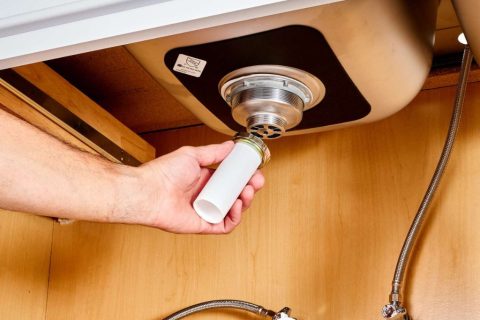
Organize cleaning supplies under the sink with stacking drawers. Use a wine rack to store water bottles horizontally so they don’t tip over. Create a coffee station with bins or small organizers for quick morning access.
7. Create an Orderly Living Room
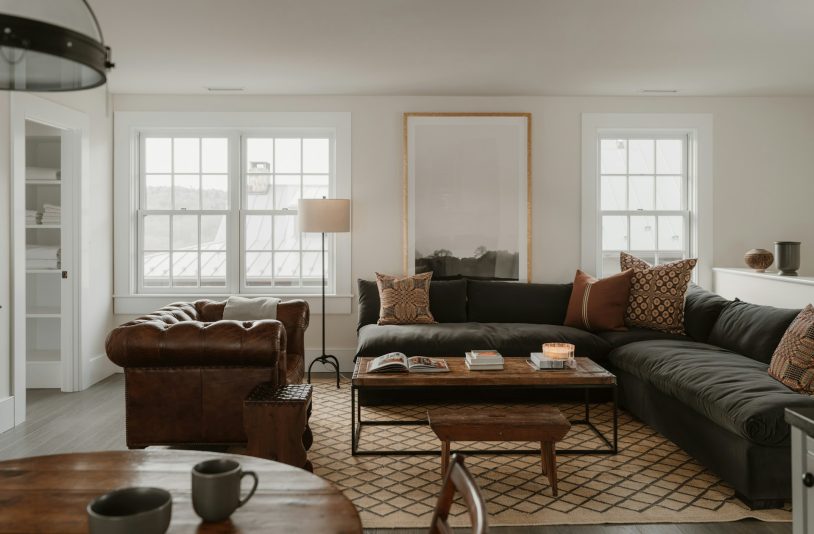
Store DVDs and video games in bins or between bookends. Keep titles facing outward so you can grab them quickly without a mess. Add a larger tray on coffee tables to hold remotes, coasters, or magazines like designer Joshua Smith suggests.
Place jars and trays on bookshelves for smaller items. Use wider shelves for big things like record players or sculptural vases. Turn low-hanging shelves into desks if you need extra workspace.
Keep wood floors shiny with just two simple cleaning tools nearby.
8. Simplify Bedroom and Closet Storage
Fold clothes upright using the KonMari Method. This saves space and makes it easy to see everything in your drawers. Add shelves or extra rails in small closets for smarter storage.
Use shoe organizers to keep things tidy.
Build a DIY closet system to fit your needs. Save money by installing it yourself. Install a folding ironing board inside a drawer front to save space. Turn a nightstand into a charging station for cords and devices to reduce clutter near the bed.
For shared kids’ rooms, use bunk beds to free up space for other items.
9. Streamline the Bathroom
Use organizers in deep and narrow drawers. This helps keep hair tools, brushes, and smaller items easy to find. Square bins work well under sinks for sprays or tall bottles.
Store medicines outside the bathroom to avoid humidity damage. Replace a pedestal sink with a vanity cabinet to add hidden storage. A cleaning caddy makes chores quicker by keeping supplies portable.
10. Set Up a Functional Home Office
Create a tidy workspace with clear storage. Add shelves for vertical space.
Replace paper piles with a digital filing system like Evernote. A pegboard can hold supplies and free up desk space. Combine open shelves and bins to keep things neat yet stylish.
11. Make Playroom Cleanup Simple
Use a rolling cart for art supplies. It keeps everything portable and neat. Store toys in cube units with bins to sort by type and hide clutter.
Keep large toys off the floor to make the room look tidy. Put finished LEGO sets on shelves in the playroom closet so kids can see their creations without making messes. Add a LEGO table above storage bins to keep things organized.
Use tote bags for sports items to keep gear in one easy spot. Try using a free toy decluttering calendar to stay on track with cleanup!
12. Organize the Laundry Room
Maximize space by swapping wire shelves for cabinets. These hide clutter and make the room look tidy. Use plastic bins with handles from The Container Store to group supplies like detergent and fabric softener.
Keep laundry baskets ready for sorting clothes. Stick to a routine that works for you, like one load daily or all on weekends. This keeps piles from growing too big.
13. Tackle Garages, Basements, and Attics
Start with the garage. Use opaque bins to hide messy items while adding color. Hang large tools or bikes on a track system to keep floors clear. Create a spot for smelly sports gear to stop odors from spreading.
In basements, simple wall brackets can hold scrap wood neatly. Group paint by type in small bins for easy access. Store holiday decorations in clear totes so you can see what’s inside without opening them.
Keep these spaces tidy by avoiding common mistakes, like overloading shelves or mixing too many categories.
14. Build Practical Maintenance Habits
Sort papers weekly to keep clutter away. Create a routine for bills, mail, and schedules. Use trays or catchall dishes for everyday items like keys or coins.
Rotate clothes and decor each season. This clears space and ensures you use what you have. Place toys in a set play spot to simplify cleanup. Stackable bins also help contain small items in closets or kitchens.
Store shoes neatly with a stylish rack near the door. Always return things to their place after use to keep things tidy every day!
The Bottom Line
Organizing your home can feel like a big task, but small steps make it easier. Start with one room or even just a drawer. Use the right tools and storage to keep things tidy. Tackle clutter every week.
A neat and organized home brings peace to everyday life!