Share
Share Facebook
  Twitter
  LinkedIn
  Pinterest
  Email
Email 
Moving into a new home is exciting, but it can also feel overwhelming. With all the unpacking and trying to find where everything is, there’s a lot on your mind.
This guide outlines the most important steps to take after you move in. We’ll cover security, cleaning, setting up utilities, and meeting your neighbors so you can feel settled and at ease quickly.
Let’s help your new house feel like home!
Jump to Section [Hide]
- Secure Your New Home
- Do a Deep Clean Before You Unpack
- Set Up Utilities and Home Services
- Unpack Strategically
- Update Your Address and Records
- Handle Basic Repairs and Maintenance
- Safety Checks for Children and Pets
- Get to Know Your New Community
- Decorate and Personalize Your Space
- Organize Important Documents
- Dispose of Moving Waste Responsibly
- Celebrate and Settle In
Secure Your New Home
Locking down your new space helps you feel safe right away. Identify key areas such as the breaker box and water shutoff to stay prepared.
1. Change the locks
Replace all exterior door locks immediately. This prevents past owners, renters, or others from gaining access. Rekeying the locks is a good option if you can’t fully replace them.
Don’t forget to secure garage door openers as well. This is extra important for homes in high-crime areas. Taking these steps helps keep your family and belongings safe in your new place.
2. Install or activate a security system
Set up a security system to protect your home. If the house already has one, activate it right away. Consult security specialists if you need help installing alarms or cameras. Install fire extinguishers on every floor for added safety.
Test all systems after activation to ensure they work correctly.
Consider adding features such as motion detectors or smart locks to enhance protection. In high-risk areas, a strong security setup is essential. Pair this with smoke and carbon monoxide detectors in every room for complete safety coverage.
Always have a first-aid kit ready and create an emergency escape plan.
3. Locate circuit breaker, main water shutoff, and gas valve
Find the circuit breaker, main water shutoff, and gas valve as soon as you move in. Check that they all work properly. Label the circuit breakers to know which controls each area of your home.
This will save time during an emergency.
Test the water and gas shutoff valves to ensure they turn off easily. Take readings from your electricity and water meters on day one. Keep these records in case of billing issues later.
Knowing these locations can help prevent leaks or resolve power issues quickly.
Do a Deep Clean Before You Unpack
Start fresh by cleaning every corner of your new home. Tackle the mess now—it’s easier before furniture and boxes take over.
4. Sanitize bathrooms and the kitchen
Unpack your shower items and toiletries first. Clean all bathroom surfaces before use. Scrub sinks, toilets, and countertops with disinfectant. Wipe down shelves inside cabinets.
Sanitize faucet handles and doorknobs to kill germs.
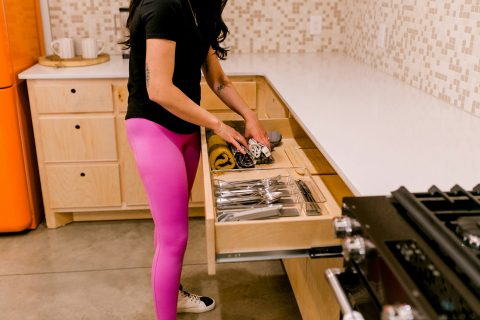
In the kitchen, clean counters, sinks, and appliances like refrigerators and dishwashers. Use disinfectant wipes or spray on high-touch areas. Clean inside drawers before putting away cooking utensils or other essentials.
Always sanitize these spaces for a safe start in your new home.
5. Wipe down shelves, drawers, and cabinets
Clean all shelves, drawers, and cabinets before putting your items inside. Dust and allergens often hide in these spaces. Wipe them with an eco-friendly cleaner to keep surfaces safe for your belongings.
Check for pests or damage as you clean each area.
Dry everything thoroughly to prevent mold growth later. Line the shelves, if needed, to protect delicate items such as plates and glassware. This step makes unpacking much easier and keeps storage areas fresh for longer!
6. Clean carpets, floors, and windows
Vacuum carpets to remove dust and allergens. Steam clean for deeper results, or hire professional cleaning services as needed. Use the right cleaner for your carpet type to avoid damage.
Mop hard floors with a sanitizer, focusing on corners and baseboards. Wash all windows inside and out to brighten rooms. Wipe window tracks and sills to clear debris. Clean surfaces before placing furniture.
7. Replace air filters and check the HVAC system
Replace the HVAC air filters immediately. This improves air quality and helps the system operate more efficiently. Use clean filters to reduce dust and allergen levels and lower energy costs. Write down the date of replacement for later.
Ensure your HVAC system is operating properly. Check for any noises or issues. Schedule a professional inspection if needed. Plan regular filter changes monthly or seasonally, based on usage and climate.
Set Up Utilities and Home Services
Get your basics like power and water running first. Make sure your home is ready for daily life.
8. Activate electricity, water, and gas
Contact utility companies 2–4 weeks before your move. Schedule activation for the day before you arrive at your new home.
Take meter readings on move-in day for electricity, water, and gas. Keep these numbers in case of any disputes later. Confirm that utilities are working upon arrival at the house.
If the home is vacant, check that everything is safely restored before use. Some states may require proof of insurance during setup; check in advance to avoid delays.
9. Connect the internet, cable, and phone services
Set up your internet, cable, and phone services before moving in. Many companies offer same-day installation if you schedule early. Aim to book 2–4 weeks ahead for a stress-free setup.
Check what providers are available in your area. Confirm installation dates with them to avoid delays. You can save money by using your own equipment or opting for self-installation.
Ensure these services work right when you arrive for easier unpacking and settling in!
10. Test smoke detectors and carbon monoxide alarms
Press the test button on each smoke detector and carbon monoxide alarm. This checks if they work properly. Replace batteries or defective units immediately. Install detectors in all key areas, such as bedrooms and hallways.
If your home uses gas appliances, also test any natural gas alarms. Keep extra batteries handy for future changes. Confirm that all devices comply with safety codes for placement and operation.
11. Set up trash and recycling services
Call your local trash and recycling provider. Confirm the collection days for your address. Set up services promptly to avoid accumulating waste.
Schedule bulk waste pickup for large items such as boxes or old furniture. Recycle packing materials when possible. Store reusable items, such as bins or sturdy boxes, for future needs.
Arrange hazardous waste disposal if needed. Make sure to update your new address with the service provider as well.
Unpack Strategically
Start with your must-haves, then set up each room in a way that works best for you.
12. Start with essentials: kitchen, bathroom, bedding
Unpack bedding first. Assemble the bed for a good night’s rest. Include sheets, blankets, and pillows in your first-night box. Add pajamas and medications to keep things easy that night.
Focus on bathroom essentials next. Unpack toiletries like soap, shampoo, toothpaste, and towels. Set up a shower curtain if needed. Stock toilet paper, too! For the kitchen, start with basic items such as plates, utensils, a coffee maker, and cleaning supplies like sponges or dryer sheets.
13. Label and sort boxes by room
Label each box with its room name before moving. Use a marker to write big, clear labels like “Kitchen” or “Bedroom.” Add details about what’s inside, such as “Utensils” or “Towels.” This saves time and accelerates unpacking.
Sort the boxes into their rooms as you move them in. You can color-code boxes for easy identification, such as blue for bathrooms and green for bedrooms. Keep fragile items marked boldly to avoid damage.
An inventory list also helps track your things if anything goes missing during the move.
14. Set up closets and organize storage spaces
Line shelves before adding items. Wipe everything clean, so it’s ready for use. Install closet systems or adjust rods and shelves to fit your needs. Divide clothing by season or how often you wear it.
Use bins, storage dividers, or extra shelves to save space. Heavy units should be anchored for safety. Organize attics, basements, and garages early to cut clutter in central areas of the house.
Update Your Address and Records
Make sure your mail reaches you at your new home. Let banks, insurers, and service providers know about the change.
15. File a change of address with USPS
Update your address with USPS before or right after moving. This ensures mail forwarding for up to 3 months while you update other records.
You can file the change online or visit a post office in person. Notify USPS of all household members who need this service. Update your subscriptions, such as magazines, with your new address.
Keep the confirmation for future reference and double-check that all mail arrives as expected.
16. Notify banks, credit card companies, and loan providers
Tell your bank right away about your new address. This helps protect your account and ensures you receive all mail, such as statements and alerts. Log in to online banking or call customer service to make the update quickly.
Let credit card companies know as well, so bills and notices are sent to the correct address. If you have loans, contact your lenders with the same information. Check for fraud alerts associated with your old address during this process for added security.
17. Update driver’s license and vehicle registration
Visit your local Department of Motor Vehicles (DMV) soon after moving. Many states give you 10 to 30 days to register your vehicle and update its address. Some also require a new driver’s license within 30 to 90 days.
Bring the required documents, such as proof of residency and identity. You will likely need proof of insurance for your new state as well. Some DMVs work by appointment only, so check ahead.
Skipping these updates could lead to fines or legal issues later.
18. Transfer insurance policies and healthcare providers
Contact your current insurance companies to update your address. Ask about transferring or canceling policies. If you moved to a new state, provide proof of updated auto insurance for vehicle registration.
Research healthcare providers in the area if you’re far from your old ones. Use online reviews and recommendations to make your choice. Schedule visits with new doctors before making long-term decisions.
Ensure all necessary records are transferred promptly.
Handle Basic Repairs and Maintenance
Check for leaks, test appliances, and fix small issues to keep your home running smoothly. Start with simple tasks!
19. Inspect appliances and plumbing fixtures
Test all kitchen appliances like the fridge, stove, and microwave. Make sure they work properly. Let the refrigerator stand upright for at least 3 hours before plugging it in to avoid damage.
Review appliance manuals for any care tips or warnings.
Check faucets, toilets, and drains for leaks or clogs. Inspect plumbing fixtures for water stains or signs of damage. Look at the water heater to ensure proper operation. If anything seems off, schedule home improvements right away.
20. Schedule needed repairs and improvements
Check for plumbing leaks or broken window locks first. Fix urgent issues before moving in to avoid bigger problems later. Use the home inspection report as a guide. It helps you quickly identify what needs attention.
Call professionals for repairs beyond your skill level, such as roofing or electrical work. Get at least three quotes from contractors for large jobs to save money and compare services.
Set aside 5% of your budget for surprises during these improvements. Keep all receipts and warranties organized for future use!
21. Create a home maintenance checklist
Start with monthly tasks, such as replacing air filters. This helps keep your HVAC system running efficiently and improves air quality. Add seasonal tasks, such as gutter cleaning, to prevent water damage.
Schedule annual services, such as HVAC tune-ups or fire safety checks.
Save key details in one spot. Write down filter sizes, appliance models, and important numbers for service providers. Use a calendar or app to set reminders for these tasks on time.
Keep a log of completed work for quick reference later. Update the list as new tasks arise at home.
Safety Checks for Children and Pets
Ensure your home is safe for children and pets. Check for hazards such as sharp edges or exposed wires.
22. Childproof cabinets and outlets
Install childproof locks on all cabinets kids can reach. Store cleaning products and medications in locked areas to keep them safe. Use safety latches on drawers and appliances as well.
Cover all electrical outlets with outlet covers. These stop curious fingers from getting hurt. Install window guards in children’s rooms, or replace blinds with cordless options to prevent accidents.
23. Secure hazardous areas like stairs and tools
Place safety gates at the top and bottom of stairs to block access. Use non-slip mats on steps to prevent falls. Lock doors to risky areas, such as the basement or garage.
Keep tools, sharp objects, and cleaning supplies out of reach. Store lawn equipment and chemicals in locked cabinets or high shelves. Secure heavy furniture tightly so it doesn’t tip over.
24. Install safety gates and pet enclosures as needed
Use safety gates to block stairways or hazardous areas. Pets and children can wander too far without them. Keep cabinets with tools, cleaning items, or sharp objects locked.
Set up pet enclosures for your furry friends. Dogs can adjust more easily to a fenced area or a crate during the unpacking process. Cats may need a quiet room to themselves at first. Watch pets closely, as new spaces may make them nervous or eager to escape.
Get to Know Your New Community
Introduce yourself to those living nearby. They might share helpful tips or local insights. Explore spots like parks, stores, and gyms to feel more at home in your area.
25. Introduce yourself to neighbors
Knock on their door and say hello. Do this within your first week. Please share a brief introduction about yourself and your family. Exchange phone numbers for emergencies.
Ask them for tips on the area, such as good grocery stores or service providers. Joining local groups can also help you meet more people in your area. A small gathering at your home is another excellent way to connect with neighbors quickly!
26. Locate the nearest grocery store, pharmacy, and hospital
Use online maps or apps to find the closest grocery store, pharmacy, and hospital. Check for nearby locations with late-night or 24-hour services.
Drive around your neighborhood to spot these places faster. Note their hours and identify quick routes in case of emergencies. Keep this information handy on paper or your phone for easy access at all times.
27. Find local parks, gyms, schools, and community centers
Check out nearby parks for fresh air and outdoor fun. Ask neighbors about the best spots or search online for recreation areas. Many parks have trails, playgrounds, and picnic spaces.
Visit gyms or fitness studios that match your needs. Some may offer free trials to help you decide. Use the National Center for Education Statistics to find schools for your child.
Meet with school staff before enrolling them, and involve them in the school selection process. Head to the local community center to explore the programs or events they offer.
Decorate and Personalize Your Space
Make your home feel like you by adding personal touches.
28. Arrange furniture to suit your lifestyle
Measure each room before moving furniture in. This helps you avoid tight spaces and awkward layouts. Arrange chairs, sofas, and tables to allow easy movement. For smaller spaces, use multipurpose furniture, such as ottomans with storage.
Design zones for work, dining, and relaxing. Place desks near outlets for internet connection or lamps. Anchor heavy pieces like bookshelves to keep kids or pets safe. Set up bedrooms first, so you have a cozy space right away.
Try different layouts until it feels just right!
29. Add curtains, rugs, and lighting
Hang curtains to make your home private and cozy. Choose colors and patterns that match your style for a finished look. Heavy fabrics can block out sunlight and reduce noise, which is great for bedrooms.
Place rugs to define spaces and add warmth underfoot. A soft carpet in the living room can create a welcoming area for guests. Add table lamps or floor lamps for warm lighting at night.
Replace boring light fixtures with ones you love to brighten up the space even more!
30. Tackle small DIY projects
Paint a wall or add an accent color to freshen up your space. Replace cabinet handles for a quick, cost-effective update.
Install shelves to create extra storage or display items you love. Build flat-pack furniture, keeping tools nearby and organized for future needs. Focus on one task at a time to avoid feeling overwhelmed.
Organize Important Documents
Keep your documents safe and sorted. Use folders or a digital backup to stay organized.
31. Create a file for warranties, manuals, and receipts
Store receipts for major purchases, such as appliances or repairs. File warranty cards and manuals right away to avoid losing them. Use folders or binders, sorted by room or item, to keep things neat and easy to find.
Back up important papers digitally as a safety measure. Keep this file in a secure spot where you can still access it quickly. This helps when selling the home later or managing future repairs.
32. Store lease or mortgage papers securely
Place your lease or mortgage documents in a fireproof safe or lockbox. Keep inspection reports, appraisals, and closing documents with them. Make backup copies of everything. Store these off-site or digitally for extra security.
Keep insurance policies with your property records. Only share copies with trusted parties, such as lenders or attorneys. Update the files whenever terms change. Use a checklist to ensure all important papers are accounted for and easy to find later.
33. Back up key documents digitally
Scan your important documents, such as warranties or mortgage documents. Save these as digital files to keep them safe. Use a secure cloud storage service for backup. Encrypt files to protect sensitive information from hackers.
Back up everything on an external hard drive as well. Test access to the backups from different devices, like your phone and laptop. Stay organized by sorting digital records by type and date.
Update these files whenever you get new ones.
Dispose of Moving Waste Responsibly
Moving creates a lot of waste, boxes, tape, and packing materials pile up fast. Address it right away to keep your space clean and clutter-free.
34. Recycle packing materials and boxes
Break down your cardboard boxes and take them to a local recycling center. Keep the sturdy ones for storage or for a future move. Post gently used boxes online so others can reuse them.
Separate bubble wrap and packing peanuts, as some centers also accept these. Use community programs for items such as paper, plastic, and foam. Avoid overloading your bins by spreading disposal out over weeks if needed.
35. Donate unneeded items or supplies
Sort items for donation as you unpack. Give unused clothes, furniture, or kitchenware to local charities. Donate unopened food to nearby food banks. Hand out extra tools or duplicates to friends or community groups.
Offer leftover moving supplies, such as boxes and tape, on neighborhood apps or online groups. Schedule donation pickups with organizations in advance to save time. Keep receipts from donations for tax benefits later.
36. Schedule a bulk waste pickup
Contact your city or waste company to set up a bulk pickup. Many places offer one free service per move, saving you money. Make a clear list of all your large items for removal. Confirm the date and time to avoid missed collections.
Move everything to the curb or designated spot before pickup day. Do not leave debris in public spaces, such as alleys. If any items are not accepted, take them to local transfer stations for proper disposal.
This helps keep your new home area clean and organized.
Celebrate and Settle In
Host a cozy gathering, enjoy your hard work, and make this house truly feel like home!
37. Host a small housewarming
Plan a simple gathering with close friends or neighbors. Offer snacks and drinks to keep it relaxed and fun. Invite your neighbors to meet them informally. This helps you feel welcome while building new connections.
Use this opportunity to showcase your home décor and improvements. Share moving tips or stories during the event. Keep the guest list small for a calm atmosphere. Take photos of everyone enjoying themselves, as this will create lasting memories in your new space!
38. Take time to relax and enjoy your new space
Treat yourself to some rest after unpacking. Explore your home slowly, moving room by room. Try reading a book in the living room or cooking a meal in your new kitchen. Sit outside and enjoy the fresh air if you have a yard or balcony.
Set aside time for self-care as well. Take a warm bath or drink coffee in your quiet bedroom nook. Celebrate small wins, such as organizing one area at a time. Make each day feel rewarding as you adjust to your new space.
Final Tips
Moving into a new home is exciting! Take your time to set things up step by step. Focus on security, essentials, and making the space yours. Handle tasks like repairs and address updates early.
Once settled, enjoy your cozy new place.