Share
Share Facebook
  Twitter
  LinkedIn
  Pinterest
  Email
Email 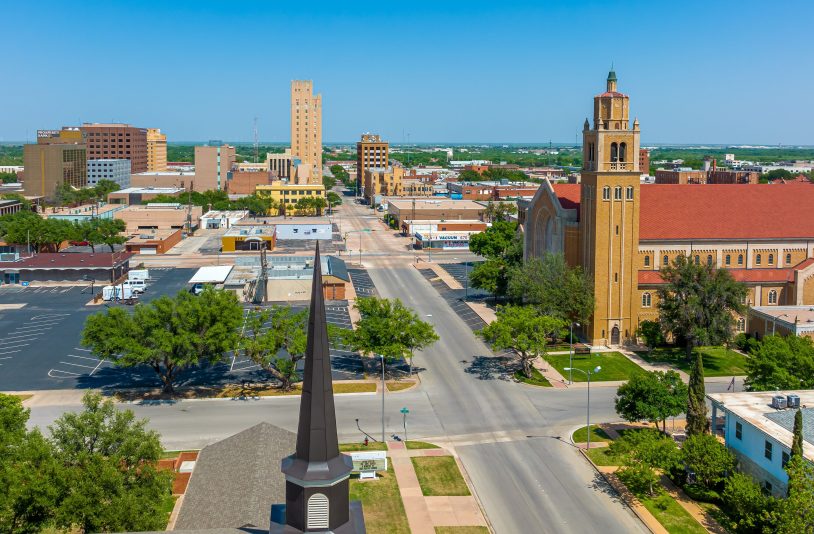
Living in the U.S. can get expensive quickly. With rent, utility bills, groceries, and gas all rising, it’s no wonder many people want to find places where their money goes further.
There are many great cities in the country where you can live comfortably without spending too much. Whether you want to buy your first home, move for a job, or start fresh in a more affordable place, there’s a good option for you.
In this post, we will explain what makes a city affordable, look at some of the best affordable cities in the U.S., and help you find the right city for your lifestyle. Ready to plan your move? Let’s get started!
Jump to Section [Hide]
What Does “Affordability” Really Mean?
Affordability means getting good value for the money you spend. It looks at housing costs, utility bills, and other daily expenses. Cities with lower home prices or rent, cheaper groceries, and affordable fuel are more budget-friendly.
It also depends on income levels. A city is affordable if most people can cover their living costs with their income. Tax rates also play a role. Lower state taxes or property taxes help stretch your money further in these areas.
Key Factors That Determine a City’s Affordability
Living costs can vary a lot between cities in the U.S. Things like housing, income, and transportation play big roles in how affordable a place feels for you.
Cost of Living Index
The cost-of-living index shows how expensive a place is relative to the national average. It includes costs like housing, food, transportation, healthcare, and more. For example, Des Moines, IA has a cost of living 10% below the U.S. average.
Sioux Falls, SD, falls 3.7% below the national mark, while Springfield, IL, stands out with a 12% lower rate and housing costs that are 24% cheaper.
Some cities have even bigger savings. In Augusta, GA, the cost of living is 20% less than in other parts of the country. These numbers help you easily compare expenses across cities.
Living in areas with low prices allows you to save on daily expenses or rent without sacrificing comfort or quality of service!
Housing Prices and Rent Trends
Housing costs vary widely in affordable cities. In Akron, OH, the median home price is $83,500, while in Knoxville, TN, it is $432,600. Wichita stands out with homes priced at $138,100 and rents of $821 per month.
Its housing costs are 22% below the national average.
Rent trends also differ by location. Fort Smith, AR offers a low median rent of $703 monthly. Brownsville, TX sees higher rental prices at $1,450 each month. Comparing these figures helps you identify the option that best fits your budget.
Job Market and Median Income
A strong job market can make life easier. In Abilene, TX, unemployment is low at 2%, and the median household income is $52,518. Omaha, NE offers a higher median income of $62,213 and an unemployment rate of just 3.1%.
Huntsville, AL stands out with $60,959 as the average income and a large retiree population.
Smaller cities often pair affordable living with good wages. Fort Wayne, IN, has an unemployment rate of 2.5%, and households earn an average of $52,214. Oklahoma City matches its affordability with steady incomes; residents earn around $56,456 annually, and jobs remain stable, with a 3.1% unemployment rate.
Taxes (State Income Tax, Property Tax, Sales Tax)
Taxes can significantly affect affordability. States like Tennessee have no state income tax, which is advantageous for cities like Memphis and Knoxville. On the other hand, Albuquerque, New Mexico, has a 7.625% sales tax and state income tax rates ranging from 1.7% to 5.9%.
Sioux Falls, South Dakota, is considered one of the most tax-friendly locations, featuring no income, estate, or inheritance taxes. At the same time, Peoria, Illinois, has a mix of tax rates and a median home price of $130,361.
Oklahoma City may not be the best option for retirees due to higher taxes, despite its otherwise affordable cost of living.
Access to Essential Services (Healthcare, Education, Groceries)
Cities like Memphis, TN shine with healthcare access. St. Jude Children’s Research Hospital offers world-class care and jobs. Lincoln, NE boasts 30 healthcare facilities per 1,000 seniors, making it a great spot for retirees.
In Des Moines, IA, and Omaha, NE, you’ll find top schools like Drake University or Creighton University. These cities make education accessible. Groceries are affordable in areas like Fort Wayne, IN where local farmers’ markets help keep costs low while adding fresh food options nearby.
Transportation Costs and Infrastructure
Good infrastructure can save you time and money. Cities like Tulsa, OK, and Wichita, KS have well-maintained road systems. This makes driving easier and lowers car maintenance costs.
Public transportation is cheaper in some areas. Memphis, TN has a bus system that helps people get to work for less. In Omaha, NE, biking paths reduce dependency on cars. Check local commuting options before moving to cut travel costs!
Lifestyle and Entertainment Costs
Living in affordable cities can still include fun. In Green Bay, WI, you can visit Lambeau Field or enjoy the Green Bay Botanical Garden without breaking the bank. Buffalo, NY offers spots like the Buffalo Zoo and proximity to Niagara Falls for low-cost outings.
Knoxville, TN hosts the Big Ears Festival and has free parks to explore. Memphis brings music to life through attractions like Elvis Presley’s Graceland and the Stax Museum. Fort Smith, AR features murals in its parks and historical sites at reasonable costs.
Top Most Affordable Places to Live in the US
1. Abilene, Texas
Abilene offers affordable living with a cost of living 10% below the national average. The median home price is $131,300, and the average monthly rent is $918. These prices make it one of the best spots for affordable housing.
The city has a low unemployment rate of 2%, driven by major employers such as Dyess Air Force Base and Hendrick Health. You can also enjoy local attractions like the Paramount Theatre or Everman Park without spending much.
With a median household income of $52,518, Abilene balances affordability with job opportunities and entertainment options.
2. Akron, Ohio
Akron offers affordable living with a cost of living 17% below the national average. The median home price sits at $83,500. Renting is also budget-friendly, with a median monthly rent of $795.
You can enjoy cultural spots like Stan Hywet Hall & Gardens and Akron Art Museum without overspending.
The job market supports industries like healthcare, manufacturing, and utilities. Summa Health, Goodyear, and FirstEnergy Corp are major employers in the area. With a population of 197,375 and an unemployment rate of 5.5%, Akron provides steady opportunities while keeping daily expenses low.
3. Buffalo, New York
Buffalo offers some of the most affordable living in the U.S. The median home price is $101,000, and the average rent is $801 per month. With a cost of living 14% below the national average, your paycheck stretches further.
Major employers include M&T Bank, Kaleida Health, and Delaware North. You’ll also enjoy local attractions like the Buffalo Zoo and Buffalo Museum of Science. Plus, Niagara Falls is close by for weekend trips!
4. Des Moines, Iowa
Des Moines offers affordable living with a cost of living 10% below the national average. The median home price is $141,300, and the average rent is $881 per month. These numbers make it easier to manage housing costs without breaking your budget.
You can find reputable schools such as Drake University and Grand View University in the city. Local events such as the Iowa State Fair and Downtown Farmers Market add fun to life here. With a median household income of $54,843 and an unemployment rate of 4.2%, the job market remains steady, too.
5. Fort Smith, Arkansas
Fort Smith has a low cost of living, 10% below the national average. The median home price is $132,800, and the average rent is $703 per month. This makes housing very affordable here.
The city’s job market is steady with an unemployment rate of 3.5%. Key industries include manufacturing, healthcare, and education. Major employers such as Bachoco, O.K. Foods, and Mercy Hospital Fort Smith offer strong opportunities.
You can also visit attractions such as Fort Smith National Historic Site and parks featuring murals, providing low-cost entertainment options.
6. Fort Wayne, Indiana
This city offers affordable living with a cost of living 9% below the national average. The median home price is $142,000, and the average monthly rent is $768. You can stretch your income further here since the median household earnings are $52,214.
It’s quiet but packed with attractions. Over 80 parks give you plenty of green spaces to enjoy, while 100 miles of trails offer room for biking or walking. The unemployment rate is low at just 2.5%, making it a solid choice for job seekers, too!
7. Green Bay, Wisconsin
Green Bay, Wisconsin, provides affordable living for its population of 104,508. Housing costs are budget-friendly, with median home prices at $142,000 and rent averaging $768 per month.
Living expenses are approximately 9% lower than the national average.
Job prospects are promising in manufacturing, healthcare, and finance. Key employers include PCMC, Bellin Health, Schreiber Foods, and Associated Bank. The median household income is $52,214, and the unemployment rate remains low at 2.5%.
Visit Lambeau Field or unwind at the Green Bay Botanical Garden for entertainment that won’t stretch your wallet!
8. Knoxville, Tennessee
Knoxville is affordable, with a cost of living 11% below the national average. Housing costs are 18% below average, making homeownership or renting more affordable. The median home price is $142,700, and the average monthly rent is $883.
The city has no state income tax, saving you more money. Major employers include Regal Cinemas and HGTV, which offer numerous job opportunities. Popular attractions like Zoo Knoxville and Big Ears Festival give fun ways to spend your free time without breaking the bank.
9. Memphis, Tennessee
Life in Memphis is easy on the wallet. The cost of living sits 14% below the national average, with a median home price of just $107,100. Renting is affordable too, averaging $915 per month.
With a population of around 650,910, it offers both affordability and opportunities.
Big employers like FedEx and AutoZone help drive the job market here. You can enjoy local attractions like Elvis Graceland or walk through Shelby Farms Park. The Stax Museum captures Memphis’ music history, while families love visiting the Memphis Zoo.
Median household income hits $41,864; unemployment stands at 5.4%.
10. Oklahoma City, Oklahoma
Oklahoma City is a budget-friendly place. The cost of living is 9% below the national average. Housing costs are even lower, at 11% below those in most U.S. cities. You can buy a home for around $161,800 or rent for about $884 per month.
The city has a steady job market, with major industries such as manufacturing and energy. Big employers include Devon Energy Corporation and Expand Energy Corporation. Enjoy attractions like Scissortail Park, OKC Museum of Art, and Lyric Theatre without breaking the bank!
11. Omaha, Nebraska
Omaha has a low cost of living, about 4% below the national average. Housing costs are even better, sitting 6% lower than the national average. You can buy a home for $167,800 or rent one for $948 per month.
Large employers such as Union Pacific and Berkshire Hathaway create strong job opportunities. The city’s unemployment rate is only 3.1%, which is great for job seekers. Schools such as Creighton University and the University of Nebraska at Omaha also offer high-quality educational options.
With a median household income of $62,213, Omaha offers affordability and strong earning potential.
12. Tulsa, Oklahoma
Tulsa offers a cost of living that’s 10% below the national average. The median home price is $143,400, and the average rent is $839 per month. This makes housing affordable for many families and workers.
Major employers include QuikTrip, Helmerich & Payne, and Saint Francis Health System. If you work remotely, the Tulsa Remote Program could give you up to $10,000 to move here. Enjoy attractions like the Blue Dome District or Gathering Place Park.
The unemployment rate remains low at 4.1%, and the median household income is $49,474.
13. Wichita, Kansas
Wichita has a low cost of living, 8% below the national average. Housing costs are 22% lower than in most U.S. cities. You can buy a home for about $138,100 or rent for about $821 per month.
Major employers include Textron Aviation and Spirit AeroSystems. The job market stays stable with an unemployment rate of 3.7%. Wichita offers fun too! Visit places such as Exploration Place or Botanica Gardens.
Median household income is $53,466, which helps balance expenses here nicely!
14. Hickory, North Carolina
Hickory, North Carolina, offers affordable living with a median home price of $320,000. Rent averages around $1,312 per month. It is close to Asheville and Charlotte, making it easy to explore bigger cities.
Nature lovers enjoy outdoor activities like hiking and fishing. The area has nearby parks and lakes for weekend fun. Costs for essentials like groceries and healthcare are reasonable too.
16. Sioux Falls, South Dakota
Sioux Falls offers affordability and strong opportunities. The median home price is $370,000, while rent averages $1,045 per month. The cost of living sits 3.7% below the national average.
There are no income, estate, or inheritance taxes here. This makes it one of the most tax-friendly places to live in America. With a population of 189,258, it also has a growing job market.
About 15.3% of residents are aged 65 or older; this adds to its appeal for retirees, too!
17. Peoria, Illinois
Peoria offers affordable living with a cost of living 24.4% below the national average. Homes have a median price of $150,000, and rents average about $1,100 per month. This makes housing budget-friendly for many families.
The city has 113,672 residents; nearly 17% are aged 65 or older. Taxes are mixed in Peoria, but still manageable compared to larger cities. You can also enjoy access to essential services like healthcare and groceries without spending too much.
18. Huntsville, Alabama
Huntsville offers an affordable and comfortable lifestyle. The median home price is $367,500, and the average rent is $1,695 per month. This city has a population of approximately 210,081.
Nearly 18.5% of residents are 65 or older, making it a strong choice for retirees.
You’ll find Huntsville is labeled “Tax Friendly” for retirement. The median household income stands at $60,959. Access to essential services like healthcare and education is easy here.
If you enjoy science or technology jobs, you’ll fit right in with the strong job market tied to aerospace and research industries!
19. Kalamazoo, Michigan
Kalamazoo offers affordable living with a median home price of $285,000. Renting is budget-friendly too, with a median rent of $1,100. Housing here is accessible to families and individuals.
The city has essential services, such as healthcare and education, within easy reach. You can also access reliable transportation options at affordable costs. Kalamazoo balances low expenses with quality lifestyle choices.
How to Choose the Right Affordable City for You
Moving to a new city is a big choice—think about what you really need and want. Your job, family, and lifestyle can all help guide your decision.
Job Opportunities in Your Field
Cities offer jobs across many fields. Abilene, Texas, is home to Dyess Air Force Base, a major employer. Akron, Ohio, is known for Goodyear and manufacturing work. In Memphis, Tennessee, FedEx creates logistics and transportation jobs.
Wichita, Kansas, is notable for its aviation industry, led by Textron Aviation. Omaha has Union Pacific providing railway industry opportunities. Tulsa even offers $10,000 to remote workers through programs like Tulsa Remote! Many of these cities also support healthcare and education roles with promising job growth trends.
School Systems and Healthcare Ratings
Good schools and healthcare can make life easier. Omaha, NE, offers strong school systems with Creighton University and the University of Nebraska at Omaha. Des Moines, IA, offers options such as Drake University for higher education.
In Lincoln, NE, seniors have access to about 30 healthcare facilities per 1,000 residents.
Memphis, TN, stands out for healthcare jobs. St. Jude Children’s Research Hospital is a key employer in the area. Springfield, IL’s major employers include BUNN and the University of Illinois Springfield.
These cities offer high-quality services without significantly increasing costs.
Weather Preferences and Climate Tolerance
Your weather preference matters when choosing a city. Fargo, North Dakota, experiences very cold winters, with average January lows of 0°F and 47 inches of snow each year. Sioux Falls, South Dakota, also sees some snowy months but has no income or estate taxes.
For warmer-weather fans, Brownsville, Texas, offers mild winters but is prone to hurricanes. Albuquerque, New Mexico, enjoys 310 sunny days a year, making it a great destination for sunshine lovers. If high snowfall excites you, Rochester, New York averages nearly 97.5 inches annually! Think about what works best for your comfort and lifestyle needs.
Cultural Scene, Nature Access, and Community Life
Knoxville, Tennessee offers the lively Big Ears Festival, Zoo Knoxville, and the beautiful Knoxville Botanical Garden & Arboretum. Green Bay, Wisconsin is home to Lambeau Field for football fans and also has Bay Beach Amusement Park and the Green Bay Botanical Garden.
In Tulsa, Oklahoma, you can explore the Deco District or enjoy the arts at Tulsa Mayfest. Visit Gathering Place for outdoor fun or meet animals at Tulsa Zoo. Buffalo, New York gives you access to Niagara Falls along with museums like the Buffalo Museum of Science.
Proximity to Friends and Family
Living close to friends and family can save time, money, and stress. You won’t need to spend as much on long trips or moving costs. It becomes easier to share resources like childcare or transportation.
Being near loved ones creates a built-in support system. Unexpected problems feel less overwhelming when help is nearby. Look for cities where you can balance affordability with staying connected to your relationships.
Commute Times and Public Transportation
Commute times can shape your daily life. Cities like Memphis, TN, and Omaha, NE, have job hubs that impact travel times. FedEx in Memphis keeps the city a key transportation hub with good infrastructure.
In Omaha, Union Pacific supports a robust rail system to improve commutes.
Public transit options vary by location. Cities such as Wichita, KS, feature systems influenced by aviation and military jobs. Oklahoma City benefits from energy-sector employers who help develop roads and bus routes.
Affordable living becomes even better when you spend less time commuting!
Pros and Cons of Living in a Low-Cost City
Living in a low-cost city helps you save money. Housing prices can be up to 24% below the national average. This makes it easier to own or rent a home without stress. Cities like Tulsa even offer relocation perks such as $10,000 for remote workers.
Lower expenses can also let you focus on building wealth and improving your credit score over time.
There are challenges, too. Some cities may have higher crime rates, such as Albuquerque, with a violent crime index of 51. Job markets might not support every field; Akron’s median income is only $40,281 compared to Omaha’s $62,213.
Climate risks, such as hurricanes in Brownsville, could increase concerns and costs. Taxes vary as well; Oklahoma City isn’t supportive of retirees regarding taxation policies.
Tips for Moving to an Affordable City
Moving to a new city can be both exciting and overwhelming. Plan ahead, stay flexible, and be ready for surprises!
Research Neighborhoods Thoroughly
Check the cost of living index for each area. Use websites like AreaVibes to find city stats and neighborhood data. Consider housing prices, rent trends, and access to services such as healthcare and schools.
Explore the job market in your field before deciding. Online tools can also display poverty rates, tax rates, and commute times. Budgeting calculators also help you see if a place fits your income level.
Visit Before Moving
Take a trip to see the city for yourself. This helps you review neighborhoods, housing prices, and local services, including schools and healthcare. Walk around grocery stores, parks, and other key spots to get a feel for life there.
Spend time exploring different areas at various times of day. Notice traffic flow during rush hours or how crowded places get on weekends. Visiting lets you spot details that online listings might miss!
Budget for Moving Expenses and Unexpected Costs
Think about moving vans, security deposits, and storage costs. Renting a truck or hiring movers can cost hundreds or even thousands of dollars. Storage units may help, and companies like Extra Space Storage offer up to 40% off online rentals.
Set money aside for unexpected costs, too. You might need extra packing supplies or face delays during the move. Moving loans could ease financial stress if needed. Include fees for utilities, credit checks, or setting up new services in your budget as well.
Consider Renting First Before Buying a Home
Renting first gives you time to test a city’s affordability. You can explore neighborhoods and see which suits your lifestyle best. Consider factors such as climate, crime rates, and local activities before committing.
It also offers flexibility if job options or life plans change. Renting keeps costs lower in the short term compared to home loans or property taxes. Plus, it helps you plan for long-term expenses without rushing into a big purchase.
Final Thoughts
Finding an affordable place to live can change your life. The cities listed offer low costs, good jobs, and unique attractions. You can save money while enjoying a great quality of life.
Choose the one that fits your needs best, and start planning your move!
Sources