Share
Share Facebook
  Twitter
  LinkedIn
  Pinterest
  Email
Email 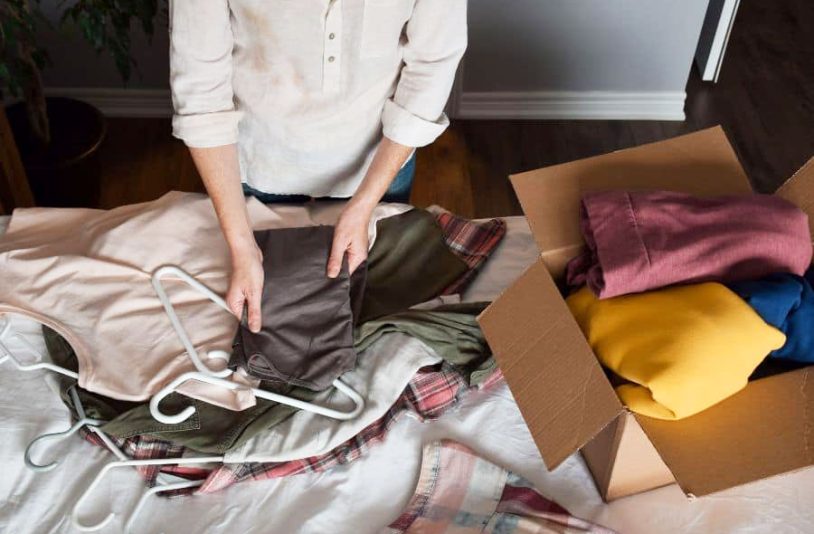
Packing up your closet for a move? Yeah, it can feel a bit overwhelming, especially when you’re staring at a mountain of clothes and wondering where even to start. Should you fold or roll? What about hanging clothes? And how do you keep everything from turning into a wrinkled mess?
Don’t worry, you’ve got this. With a bit of planning (and a few handy tricks), packing your clothes can actually be one of the easier parts of moving. In this guide, we’ll walk you through everything from decluttering your wardrobe to choosing the best packing methods, so you can stay organized, save space, and make unpacking a breeze.
Let’s get your clothes moving-ready!
Jump to Section [Hide]
Start With a Closet Clean-Out
Start by sorting through your clothes. This step helps reduce what you need to pack. It’s an excellent opportunity to organize and make space for what truly matters.
Sort clothes by season, type, and usage
Pack out-of-season clothes first. Divide them into categories like summer and winter. Group sweatshirts, silk blouses, or light outfits by type for easy packing later.
Separate daily wear from formal garments. Sort belts, accessories, and jewelry with care to avoid damage. Focus on usage too; keep work clothes apart from casual ones.
Decide what to keep, donate, sell, or discard
Sort your clothes into four groups: keep, donate, sell, and discard. Keep anything you’ve worn in the last year or items with sentimental value. Donate clean, usable clothes you no longer need.
Sell higher-value pieces at a consignment store or online. For torn or stained clothing beyond repair, toss them responsibly.
Decluttering now saves time later. Fewer items mean easier packing and unpacking. You can also help others by donating to local charities. Plus, selling some pieces could cover moving costs! Make sure not to mix these piles while sorting for maximum efficiency.
Pre-Packing Prep
Getting your clothes ready is a key first step. Clean, fix, and sort them to avoid stress later.
Wash and dry all clothes before packing
Clean clothes are a must before packing. Washing and drying prevent smells, mold, or deterioration during the move. Dirty laundry can attract pests or leave stains on other items in storage units.
Use dryer sheets or lavender sachets to add a fresh scent to boxes, wardrobe boxes, or garment bags. This keeps your clothes smelling nice even after long-term packing in self-storage.
Repair or clean special garments
Fix any damaged clothing before packing. Sew loose buttons and mend small tears to prevent further damage during the move. Take stained pieces to a dry cleaner or spot clean them at home if needed.
Use garment bags for delicate items like suits, dresses, or silk blouses. Wrap accessories such as scarves or belts in acid-free tissue paper for extra protection. This keeps your special garments safe and ready to wear in your new home.
Set aside essentials for the first few days after the move
Pack a suitcase with essential items for the first few days. Include pajamas, a toothbrush, and basic toiletries like soap and shampoo. This will save time while settling in.
Use the suitcase to store folded clothes you’ll need right away. Add extra outfits, underwear, and socks. Keep it easy to access for convenience on your first night.
Choose the Right Packing Supplies
Using the right supplies makes packing easier and keeps your clothes safe. Pick what works best for different items to stay organized during the move.
Sturdy moving boxes
Standard cardboard boxes work well for packing casual clothes. They are sturdy, easy to stack, and protect your items during the move. Use large boxes for lighter clothing, such as shirts or dresses, to avoid overloading them.
Place heavier items such as jeans or jackets at the bottom of the box. This keeps the base stable and prevents damage. Always fill any gaps with soft pieces like socks or scarves to maximize storage and avoid shifting during transit.
Suitcases, duffel bags, and backpacks
Use suitcases and duffel bags for clothes you’ll need right away. They are sturdy, roomy, and easy to carry. Pack casual items like T-shirts, jeans, and undergarments in these. This saves space in your box and keeps your essentials close.
Backpacks work well for smaller or essential pieces. Use them for socks, jewelry, or small accessories. Keep it organized so you can find things quickly after the move!
Vacuum-sealed storage bags for bulky items
Vacuum-sealed storage bags are a lifesaver for packing bulky clothes. These bags shrink items like jackets and winter gear, saving tons of space in your moving boxes. They also protect clothing from pests, dirt, and moisture during transit or long-term storage.
Simply fold the clothes neatly, place them in the bag, and use a vacuum or hand pump to remove air. Compression bags work well for extra space needs, too. They’re instrumental if you’re moving far or need to store seasonal clothing safely until next year.
Garbage bags or large tote bags for quick transport
Garbage bags work well for quick moves. Use the Bunch and Bag Method to group 5–10 hanging items of clothing. Slide a trash bag over them, tie it at the top, and you’re set. These are great for short distances, but avoid using them for high-value or delicate items.
Large tote bags also help with fast packing. They hold folded clothes, shoes, or accessories easily. Unlike garbage bags, they offer more structure and are reusable after your move.
Wardrobe boxes for hanging clothes
Wardrobe boxes make moving delicate and valuable clothes easier. These boxes have a built-in hanging bar, so you can transfer your closet straight into them without folding items like dresses or suits.
This keeps your clothes wrinkle-free and protected during the move.
Use wardrobe boxes wisely, as they take up lots of truck space and cost more than regular moving supplies. Stick to packing only your most important hanging garments in these, such as work outfits or formalwear.
For less expensive options, use garment bags for lighter or less fragile pieces.
Garment bags for delicate pieces
Use garment bags to safeguard delicate clothes. Lightweight bags are practical for basic coverage, such as keeping dust off dresses or suits. Opt for high-quality garment bags for valuable items like wedding dresses or custom-made pieces.
These provide superior protection against dirt and moisture during the move.
Pack delicate garments individually to prevent damage. Suspend them inside the bag to avoid wrinkles and preserve their shape. This is particularly useful for delicate fabrics like silk, lace, or velvet.
Ways to Pack Different Types of Clothing
Different clothes need different packing tricks. Use the proper method to save space and protect your items.
Folded Clothes
Fold heavier clothes like jeans, sweaters, and jackets using flat folding. This method saves space and works well since these items don’t wrinkle easily. Stack them neatly in sturdy moving boxes or storage bins.
Use vacuum-sealed storage bags for bulkier folded items to create extra space. These bags compress clothes, making packing for your move or long-term storage more efficient.
Rolled Clothes
Rolling clothes saves space and keeps them wrinkle-free. Use the army roll technique for best results. Start by folding each item lengthwise, then tightly roll from the bottom up. This method works great for t-shirts, jeans, and workout clothes.
Avoid using vacuum-sealed bags with rolled items if storing for over a month. They can create lumps in fabrics. Rolled clothes fit well in duffel bags, suitcases, or storage bins.
Bundled Outfits
Start with a large piece of clothing, like a jacket or sweater. Lay it flat and place smaller items, such as shirts or pants, on top. Wrap the oversized item around the smaller ones to form a tight bundle.
This method saves space and keeps outfits together. Pack heavier bundles at the bottom of your box for stability during the move.
Hanging Clothes
Use wardrobe boxes with a built-in hanging bar for long-distance moves. These keep your clothes wrinkle-free and ready to wear. For short moves, try the Bunch and Bag Method or Sheet Wrap Technique.
Group 10-15 hangers at a time using rubber bands or tape. Then cover them with a large garbage bag or a sheet tied securely.
If you don’t have a wardrobe box, lay bundles of grouped hangers flat in your car trunk. This prevents tangling during transport while saving space. Use garment bags to protect delicate pieces like suits or dresses from dust and dirt.
Shoes and Accessories
Pack shoes in their original boxes, shoe bags, or use wine boxes with dividers to protect them. Clean each pair before packing and stuff them with tissue paper or socks to keep their shape.
Place shoes at the bottom of moving boxes or pack them separately for extra protection.
Fill gaps in your boxes with accessories like scarves, belts, and ties. This prevents shifting during transport and saves space. Keep fragile items like jewelry separate using small pouches or containers to avoid tangling or damage.
Jewelry and Small Items
Separate valuable jewelry from other items. Keep it in small pouches or travel organizers for protection. Untangle necklaces, then use zippered bags or pill cases to keep them neat.
Wrap delicate pieces in soft fabric to avoid scratches.
Store these packed items with essentials you’ll carry during the move. Avoid placing them in large boxes or loose containers. This ensures your valuables are safe and within reach at all times.
Packing Strategies to Maximize Space
Use every inch of space wisely to fit more into fewer boxes. Small tricks can save room and keep your items neat!
Fill gaps with socks, scarves, or undergarments
Fill empty spaces in boxes with socks, scarves, or undergarments. These items are soft and flexible. They fit into small gaps easily and keep the box steady. This prevents clothes from shifting during the move.
Tuck socks into shoes to save extra space. Use scarves to wrap delicate jewelry for protection during packing. Slide undergarments between folded layers of clothing for cushioning.
Pack heavier items at the bottom of boxes
Place heavier items, such as jackets or shoes, at the bottom of your moving boxes. This creates a stable base and prevents lighter clothes from getting squished or wrinkled.
Stack lighter items, such as t-shirts and scarves, on top. Doing this helps balance the weight and makes lifting easier. It also prevents fragile garments from being damaged during transport.
Layer clothes by usage or room
Group clothes by how you’ll use them or where they belong. Pack daily-use items like pajamas, jeans, and t-shirts together for easy access. Separate work outfits or formal wear into their own box.
Sort by room to avoid chaos during unpacking. Place bedroom clothes in one box while keeping coats near your entryway items. This strategy saves time and reduces stress after the move.
Use packing cubes or storage bins
Packing cubes work wonders for sorting and compressing your clothes. They save extra space, keep items organized, and make unpacking easier. Use them for categories like shirts, pants, or socks.
Storage bins are perfect for long-term packing as they protect against dust and moisture.
Choose clear storage bins so you can quickly see what’s inside without opening them. Label each cube or bin with its contents to stay organized during the move. This method also reduces clutter as you settle into your new home!
Label and Organize for Easy Unpacking
Mark boxes clearly with names or colors to find items faster. Your future self will thank you!
Label boxes by category and room
Use clear labels on every box. Write the contents and the room it belongs to, like “Winter Clothes – Bedroom” or “Shoes – Entryway.” This saves time while unpacking and helps movers know where each box goes.
Color-coding works too. For example, use red for bedroom items and blue for kitchen stuff. Add a simple inventory list if needed. These steps make unpacking a breeze after the move!
Color-code or number boxes
Assign a color or number to each box based on its category or destination room. For example, use blue for bedroom boxes and red for kitchen items. Stick matching labels outside the boxes for quick identification.
Create a simple system that lets movers easily place boxes in their proper rooms. Color-coded tape, markers, or stickers work well. This saves time and avoids confusion during unpacking.
Create an inventory list
Make a list of all the packed clothes. Group items by type, season, or purpose. For example, write “5 pairs of jeans” or “Winter coats: 3.” This keeps everything clear and easy to track.
Use this list to cross-check as you unpack. Mark boxes with the numbers or labels that match your inventory sheet. It saves time during the move and prevents lost items.
Tips for a Smooth Moving Day
Keep your must-have items close and ready. Carry delicate or precious things yourself to avoid worries.
Keep a personal suitcase with essentials
Pack a small suitcase with items you’ll need right after the move. Include enough clothing for three to five days, plus pajamas and undergarments. Add toiletries like toothpaste, soap, shampoo, and your hairbrush, too.
Don’t forget essentials like phone chargers, medications, and important documents. If you have kids or pets, pack their necessities in this bag as well. This way, you can settle in without having to dig through moving boxes right away.
Carry valuables and fragile items with you
Keep jewelry and fragile items close during the move. Transport them in your personal vehicle for better control and safety. Use padded cases or small boxes to secure delicate items like necklaces, earrings, or heirlooms.
Avoid placing valuables in moving trucks, as they may get lost or damaged. Keep these belongings handy to reduce stress and ensure their protection throughout the day.
Double-check closets and laundry rooms
Check every closet and laundry room before leaving your old home. Clothes, towels, or small items can hide in corners, behind doors, or on high shelves. Open drawers to ensure nothing is left inside.
Look for forgotten loads in the washer and dryer. Wet clothes left behind can cause mold. Seal everything securely in bags or boxes to keep them safe from water damage during the move.
Storage and Long-Term Packing Tips
Keep your clothes fresh and damage-free during long-term storage. Protect them from moisture, pests, and temperature changes with smart packing choices.
Use moisture absorbers or silica packs
Place moisture absorbers or silica packs inside storage containers to keep clothes dry. These small packets prevent dampness, mold, and bad odors during long-term storage.
Use them in plastic bins or vacuum-sealed bags for extra protection.
Store clothes in climate-controlled units
Climate-controlled units protect your clothes from damage. These units maintain a steady temperature and humidity, preventing mold, mildew, and fabric decay.
Avoid cardboard boxes that can attract pests or soak up moisture over time. Instead, use plastic bins with tight lids to add extra protection in these storage spaces. This ensures your clothes stay fresh and ready when you need them again!
Avoid cardboard boxes for long-term storage
Cardboard boxes don’t protect clothes well over time. They can absorb moisture, which can lead to mold and mildew. Pests, such as moths or insects, may also chew through the material, ruining your items.
Use vacuum-sealed storage bags instead. These save space and shield clothes from water and pests. For added safety, place silica packs inside to control moisture levels. Always store your packed items in a dry, controlled environment to keep them fresher longer.
Final Tips
Packing clothes for a move doesn’t have to be hard. Keep it simple by sorting, cleaning, and using the right supplies. Save space with clever packing techniques, such as rolling or using vacuum bags.
Label everything clearly to make unpacking quick and easy. With some planning, you’ll stay organized and stress-free on moving day!