Share
Share Facebook
  Twitter
  LinkedIn
  Pinterest
  Email
Email 
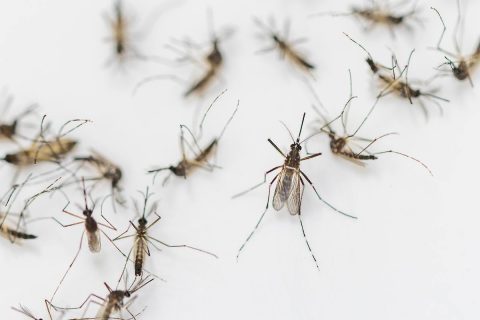
Gnats in the house are really annoying. They buzz around, gather near food, and seem to multiply overnight. You might see them near plants, drains, or trash cans. If you don’t deal with them quickly, the problem can get worse fast.
Did you know different types of gnats are drawn to specific spots? Fungus gnats love damp soil, while fruit flies go for ripe fruits and sugary snacks. These tiny bugs invade when there’s food or water left out.
This guide will show you easy ways to get rid of gnats in your home. You’ll learn how to find where they come from and how to set up traps that work. Want to get rid of these pests? Read on!
Jump to Section [Hide]
Common Types of Indoor Gnats
Gnats in your house can be tricky to identify, but knowing the type is key. Each kind comes from a different source and needs its own fix!
Fungus gnats
Fungus gnats thrive in damp soil and feed on fungi, organic matter, and plant roots. These small black flies are about 1/8 inch long and look like tiny mosquitoes. They often appear near overwatered houseplants or terrariums with poor drainage.
The larvae can harm your indoor plants by attacking the roots, potentially stunting growth. Use sticky traps near affected areas to catch adults. Apply mosquito bits every two weeks to kill larvae in potting soil.
Bottom watering helps keep the topsoil dry, reducing their breeding spots. You can also add springtail colonies to help control fungus gnat populations.
Fruit flies
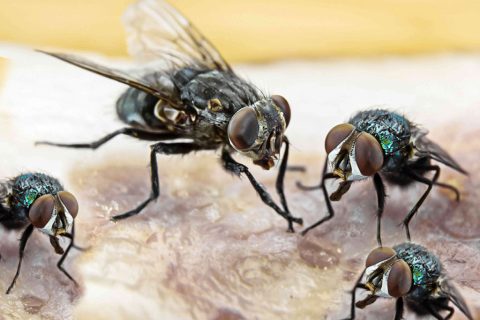
Fruit flies love overripe fruits, sugary foods, and food scraps. You can often spot them near trash cans, drains, or kitchen counters. They are smaller than houseflies but breed much faster.
Even a single crumb or sticky spot on the counter can attract them.
To prevent an infestation, rinse banana stems when you bring them home. Store fruits in sealed containers or refrigerate them. DIY traps like apple cider vinegar with dish soap work well to catch these pests.
Clean surfaces regularly to remove any food residue that attracts fruit flies.
Drain flies
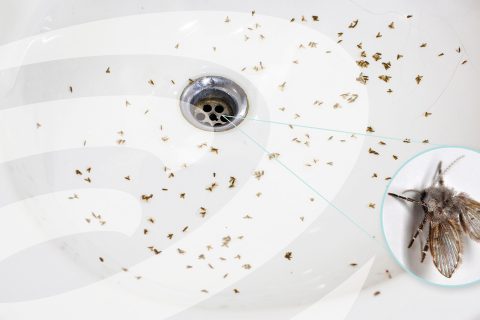
Drain flies live in sink and shower drains. They breed in moist, decaying debris stuck inside the pipes. These pests are not the same as fungus gnats or fruit flies. You might spot them flying near neglected or infrequently cleaned drains.
Pour boiling water down your drains to kill them. A diluted bleach solution can also work for challenging cases. Monthly vinegar treatments help keep drain flies under control. For severe problems, try a product like Invade Biodrain to clean out organic buildup.
Keep all sinks and garbage disposals clean to stop breeding sites from developing further.
Pinpoint the Source of the Infestation
Gnats often thrive where food, water, or decay is present. Check common problem areas to find their breeding spots, then focus your efforts there.
Inspect houseplants and soil
Check your houseplants for signs of gnats. They often breed in overwatered soil or pots with poor drainage. Let the top inch of soil dry out before watering again, as fungus gnat larvae thrive in moist environments.
Bottom watering helps keep the soil surface dry and less inviting to pests.
Replace old potting mix with fresh, dry soil if you notice larvae or mold growth. Sprinkle cinnamon on the top layer to prevent fungus growth and deter gnats. Ensure plant pots have proper drainage holes so water doesn’t pool at the bottom, creating a breeding spot.
Check sink and shower drains
Gnats love moist places like sinks and shower drains. Organic buildup in these spots creates perfect breeding sites for them. Flush your drains with boiling water regularly to kill larvae and remove grime.
Use a mix of vinegar and baking soda once a month for extra cleaning power.
Standing water attracts gnats quickly, so make sure pipes drain well. Look under sinks for leaks that could create damp zones where they thrive. If the infestation persists, try diluted bleach or hydrogen peroxide to treat the drains deeply.
For tough cases, products like Invade Biodrain can help eliminate drain flies effectively.
Examine garbage, compost, and recycling bins
Check trash bins for food scraps, meat waste, and rotting produce. These attract gnats fast. Seal or freeze meat scraps until trash day to stop breeding. Empty bins often and clean them with soap or disinfectant to remove residue.
Manage compost carefully. Keep it covered to keep flies out. Outdoor bins should stay tightly closed, too. Rinse recycling items before tossing them out, as sticky residues can quickly draw pests!
Look for overripe fruits and food scraps
Rotting produce and uncovered food scraps give gnats a perfect breeding ground. Overripe fruits, like bananas or apples left on counters, attract fruit flies quickly. Rinse banana stems when you bring them home to reduce this risk.
Store all fruits in sealed containers or the fridge to keep pests away. Avoid leaving dirty dishes to soak overnight, as they can leave food residues behind. Clean up sugary spills immediately and toss out rotting food promptly to stop infestations before they start.
Set Up Effective Gnat Traps
Place traps where you see the most gnats. Simple household items can work wonders to catch them quickly.
Apple cider vinegar and dish soap trap
Mix apple cider vinegar with a few drops of dish soap in a shallow container. The vinegar smell attracts gnats, while the soap breaks surface tension, causing them to sink and drown.
Cover the container with plastic wrap, then poke small holes in it. This reduces odor escape but still lets gnats enter. For variety, red wine or overripe fruit can replace the vinegar. Place traps where you see gnats gathering, like near sinks or fruit bowls.
Overripe fruit covered with plastic wrap
Place a piece of overripe fruit in a container. Cover it tightly with plastic wrap and poke small holes in the top. The strong smell of the fruit will lure gnats inside, but they won’t easily escape.
This trap works well near problem areas, such as fruit bowls or compost bins.
Check the trap daily during an infestation. Replace the fruit when it begins to dry out or stops attracting gnats. Pair this method with vinegar and dish soap traps for better results around your home.
Yellow sticky traps near windows and plants
Yellow sticky traps work well for catching adult gnats, especially fungus gnats. Place them near windows to stop gnats from coming inside or next to houseplants where they lay eggs.
The bright yellow color attracts flying pests like a magnet.
Check and replace the traps often as they fill up or lose stickiness. Products like We The Wild Sticky Trap are effective while blending with your decor. For added control, try blue-light adhesive traps like the Zevo Flying Insect Trap, which effectively target airborne adults.
Clean and Eliminate Breeding Sites
Gnats breed in messy, damp places. Clean these areas to stop them. Tackle problem spots now to keep your home gnat-free!
Flush drains with boiling water or vinegar + baking soda
Pour boiling water down your drains to kill drain fly larvae. This helps disrupt their breeding cycle. Focus on kitchen and bathroom sinks, showers, and any drains that seem infested.
For a deeper clean, use vinegar and baking soda. Pour half a cup of baking soda into the drain. Follow it with one cup of vinegar. Let it fizz for 10-15 minutes, then flush with hot water.
Repeat monthly to prevent buildup or standing organic matter in pipes. If the problem persists, consider using Invade Biodrain or hydrogen peroxide as alternatives for pest control in drains.
Dry out the overwatered plant soil
Let the top inch of soil fully dry before watering again. This stops fungus gnats from laying eggs. Empty water sitting in plant trays to prevent standing moisture, which attracts these pests.
Use pots with proper drainage holes to avoid soil saturation. Add more airflow by drilling extra holes if needed. Replace old, damp potting soil with fresh, dry soil to break the gnat life cycle.
Sprinkle a layer of sand or diatomaceous earth on top for quick drying and pest control.
Discard rotting produce and food waste
Throw out any rotting fruit or vegetables right away. Gnats love overripe produce and will quickly swarm around it. Store fresh food in sealed containers or the fridge to keep it safe.
Take out the trash often, especially if it contains meat or food scraps. If you cannot toss scraps immediately, freeze them until trash day. Clean and sanitize your bins after emptying to remove smells that attract gnats.
Keep outdoor garbage bins tightly closed, too. Avoid creating a breeding ground for pests anywhere near your home!
Sanitize trash cans and compost bins
Clean trash cans and compost bins often. Empty them regularly to stop gnats from breeding. Wash the inside with hot water and soap or a disinfectant. Scrub away any stuck-on residue, which can attract flies.
Keep lids tight on all bins to keep pests out. Replace old liners as needed for freshness. For outdoor bins, rinse them after emptying to remove odors. Avoid letting organic matter accumulate at the bottom of your bin, as it is a perfect breeding ground for pests like gnats and flies!
Use Targeted Gnat Control Solutions
Choose specific methods to target gnats effectively. Use simple tools and safe treatments for quick results.
Neem oil spray for houseplants
Spray neem oil on houseplants to fight gnats. This natural solution works well against fungus gnats that hide in plant soil. It stops them from laying eggs and messes up their life cycle, reducing infestations over time.
Reapply as directed for lasting results. Neem oil is safe for homes with kids or pets when used correctly. Pair it with other methods, such as drying out the soil or using diatomaceous earth, for the best results.
Hydrogen peroxide soil drench (for fungus gnats)
Diluted hydrogen peroxide helps manage fungus gnats in plant soil. Mix one part 3% hydrogen peroxide with four parts water. Pour it gently over the topsoil to kill gnat larvae hiding there.
It cleans the surface and deters adult gnats from laying eggs.
Use this sparingly, as too much can harm plant roots. Before applying, ensure your houseplants have proper drainage and aren’t overwatered. Repeat the treatment if needed, but focus on keeping the soil dry between watering sessions for lasting results.
Diatomaceous earth for plant soil
Sprinkle diatomaceous earth around plants to help control gnats. This powder harms their exoskeletons, killing both adults and larvae in the soil. It’s best used when the topsoil is dry, as moisture reduces its effectiveness.
Reapply after watering or if debris covers it. Pair it with cinnamon or sand for extra gnat control. Diatomaceous earth is safe around kids and pets when used correctly, making it a trusted choice for a gnat-free home!
Commercial insect sprays (if needed)
Use commercial sprays like Raid or Zep for severe gnat problems. These sprays work well on adult gnats flying around, but won’t kill larvae in plant soil. Always follow the instructions on the label to stay safe.
Avoid spraying near food, pets, or kids, and open windows for ventilation after use. Many sprays aren’t safe for houseplants, so check before applying them. Use chemical sprays only after cleaning breeding spots to prevent new infestations.
Long-Term Gnat Prevention Tips
Keep your home gnat-free by making small changes to how you store food, care for plants, and clean.
Water plants only when needed and ensure proper drainage
Check the soil before watering your house plants. Water only if the top inch feels dry to stop gnats from breeding in wet soil. Avoid overwatering, as soggy conditions attract pests and lead to mold or fungus growth.
Make sure pots have proper drainage holes. Empty excess water from trays beneath them to prevent standing water. If infestations continue, replace old soil with fresh soil for a clean start.
Store fruits and vegetables in the fridge or sealed containers
Keep ripe fruits and vegetables refrigerated to prevent gnats from swarming. Sealed containers work just as well if you need to store them outside the refrigerator. This blocks fruit flies from laying eggs on your produce.
Wash banana stems after buying them, as they attract flies quickly. Cover stored fruits and veggies completely to deny pests easy access. Use fresh produce quickly to avoid overripening, which attracts large numbers of gnats.
Keep sinks and drains clean and dry
Clean your sinks and drains daily to remove any buildup. Food scraps, grease, and soap scum can attract gnats. Wipe down sink surfaces after each use to keep them dry. Do not leave dishes soaking overnight or let water sit in the drain.
Flush your drains monthly with boiling water or a vinegar-and-baking-soda solution to clear organic residue. Use strainers to catch food debris before it clogs pipes. Check under sinks for leaks that may cause dampness.
Run garbage disposals with hot water often to avoid residue buildup. Keep all areas clean and dry to prevent gnats from breeding there!
Take out the trash regularly and seal bins tightly
Take out trash often, especially if it has food waste or meat scraps. Gnats are drawn to odors from rotting garbage. Use odor-blocking trash bags to reduce smells that attract them.
If you can’t remove scraps right away, freeze them until trash day.
Make sure your bins have tight-fitting lids to keep gnats out. Avoid overfilling bins, as this may prevent the lid from closing fully. Sanitize indoor and outdoor cans after emptying to kill bacteria and repel pests.
Monitor compost for gnat activity and cover it adequately if used indoors or outdoors.
Clean up spills and crumbs promptly
Wipe up spills on countertops, tables, and floors right away. Leaving food residue encourages gnats to gather and breed quickly. Use a proper cleaner to disinfect surfaces after wiping.
Sweep or vacuum crumbs after meals and cooking. Don’t forget hard-to-reach spots like under appliances or behind trash bins. Regular cleaning stops gnats from finding food scraps to feed on.
When to Call a Professional
If gnats keep coming back after trying DIY methods, it’s time to call a pest control expert. Professionals can identify the exact gnat species and treat them with tools not available in stores.
They may use commercial-grade sprays or solutions for stubborn infestations.
Experts also check for hidden entry points, such as gaps in window screens, cracks in siding, or clogged gutters. Brandon Runyon, an entomologist, suggests using Steinernema feltiae nematodes for plants and outdoor issues.
Follow-up visits may be needed to ensure your home stays gnat-free.
Final Tips
Getting rid of gnats in your house takes patience, but it’s worth it. Tackle the problem by targeting their sources and destroying breeding spots. Use traps and cleaning methods to stop them from coming back.
Prevent future infestations by practicing proper plant care and keeping living spaces clean. If nothing works, professional help can do the trick!