Share
Share Facebook
  Twitter
  LinkedIn
  Pinterest
  Email
Email 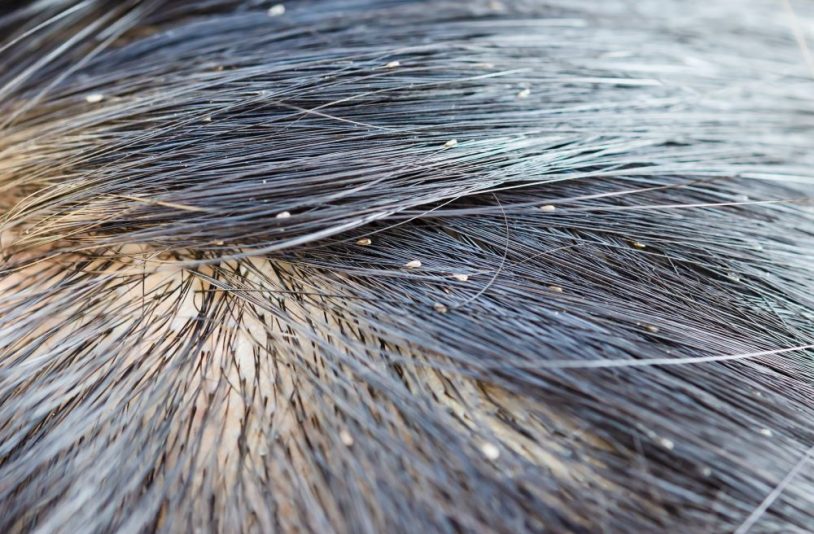
Nobody wants to hear the words “You have lice.” But if you or someone in your family is dealing with these pesky little bugs, don’t panic. You can totally handle this.
Lice are more common than you might think, especially among school-aged kids. With the proper steps, you can eliminate them quickly and prevent recurrence.
In this guide, we’ll walk you through everything you need to know, from spotting the signs to getting rid of lice and nits, cleaning your home, and preventing future infestations. It might feel overwhelming at first, but once you know what to do, it becomes much easier.
Let’s jump in and take care of those uninvited guests!
Jump to Section [Hide]
Treatment Options
Different treatments work for other people. Learn about what’s available to pick the best solution for your needs!
1. Over-the-Counter Lice Treatments
Over-the-counter lice treatments often include shampoos with pyrethrins or permethrin. Pyrethrins come from chrysanthemums, making them a natural option. These products, like RID and Nix, are safe for children aged 2 months and older.
They kill live lice but usually don’t kill nits.
Most treatments need a second application in 7 to 10 days to target newly hatched lice. Sklice, made with ivermectin, is another over-the-counter option for ages 6 months and older.
It requires only one 10-minute application; ask a doctor before reapplying if needed. Use these products as directed to avoid treatment failure.
2. Prescription Treatments for Resistant Cases
Sometimes, lice don’t go away with regular treatments. Prescription medicines can help in such cases. A doctor might suggest Spinosad (Natroba) for kids over 6 months old. Leave it on your hair for 10 minutes, then avoid washing your scalp for up to two days.
Repeat this after seven days if needed.
Malathion is effective as well, but only for children aged 6 or older. It remains on the head for 8–12 hours and is flammable; keep it away from heat sources. Oral Ivermectin is another option, safe for kids above 33 pounds (15 kg), taken in pill form once or twice within a week.
Other options include Benzyl alcohol lotion or Ivermectin lotion to effectively kill resistant lice during pediculosis capitis infestations and protect hair health without risking re-infestation.
3. Natural and Home Remedies: What Works and What Doesn’t
Home remedies like tea tree oil, mayonnaise, or petroleum jelly are messy and not backed by science. Smothering lice with these methods often needs overnight use with a shower cap, but doesn’t guarantee results.
Essential oils such as limonene may seem practical, but they aren’t regulated for safety. They can cause skin irritation or allergic reactions.
Don’t use kerosene, gasoline, or flea products intended for pets. These are dangerous and unsafe for humans. Avoid exposing medicated hair to heat from hair dryers, as it may spread lice.
Health experts do not recommend home remedies because there is insufficient evidence that they effectively treat head lice infestations.
4. How to Choose the Right Treatment for Your Needs
Check your child’s age first. Some treatments, like Malathion, are only safe for kids 6 years or older. If over-the-counter lice treatments fail, you might need a doctor to prescribe more potent medications.
Think about sensitivity too. Wet combing is great if someone has skin issues or wants to avoid chemicals. Cutting hair short can help control lice in young children with fine hair.
Always follow the product instructions to prevent side effects and improve results. Repeat treatments as needed between day 7 and day 10 for full effectiveness.
Guide to Removing Lice and Nits
Get rid of lice and nits with the right tools, proper steps, and a bit of patience—learn how to do it effectively here!
1. Wet Combing Technique Explained
Wet combing is effective for removing lice and nits. Start by washing your hair, then apply lots of conditioner. This helps immobilize the head louse, making them easier to catch.
Use a fine-tooth comb designed for lice removal. Comb section by section from root to tip.
Focus on areas near the scalp, especially behind the ears and at the base of the neck. Nits stick tightly to hair shafts and look like dandruff, but don’t move when touched. Repeat every 2–3 days for at least 2 weeks after treatment ends.
A magnifying lens can help spot tiny lice eggs while you comb through your hair carefully each time!
2. Proper Use of Lice Shampoo or Lotion
Apply lice shampoo or lotion exactly as directed on the package. Do not use more than directed, as too much can harm your scalp. Leave the product on your hair for the recommended time. For example, Sklice is left on for 10 minutes, while Malathion may take 8–12 hours.
Avoid washing your hair for 24–48 hours if using products like Natroba. Never mix different lice treatments at once—it won’t work faster and could cause side effects. After rinsing the product out, use a fine-tooth comb to remove any remaining lice and nits.
Monitor for allergic reactions, such as itching or redness, after treatment.
3. Using a Fine-Tooth Comb Effectively
Use a metal lice comb for the best results. Work on small sections of hair, moving from the scalp to the tips. Focus near the back of the head, neck, and ears where lice and nits hide. Conditioner or water can help trap lice and make combing easier.
Check closely for nits within 1/4 inch of the scalp, as these are more likely to be alive. Comb every 2–3 days for at least two weeks after treatment to ensure you catch all lice and nits.
Clean your comb in hot, soapy water for 5–10 minutes after each use to prevent reinfestation.
4. When and Why to Repeat the Treatment (Day 7–10)
Lice eggs hatch in 5 to 10 days. A second treatment is needed on Days 7 to 10 after the first. This kills any nymphs that hatched from eggs not removed before they mature into adult lice.
Nymphs turn into adults in about 9 to 12 days, and these can lay more eggs. Skipping this step lets them multiply again. Also, keep wet-combing every few days between treatments for better results.
If live lice remain after two treatments, contact a doctor for additional options, such as prescription pediculicides.
Cleaning Your Home and Belongings
Getting rid of lice isn’t just about treating your head—it’s also about cleaning your space. Focus on areas where lice may linger to prevent recurrence.
Washing Bedding, Clothing, and Towels in Hot Water
Wash all bedding, clothes, and towels used in the last two days in hot water. Set the temperature to at least 130°F (54.4°C). This kills lice and their eggs.
Dry items on high heat after washing. Heat helps ensure no lice or eggs survive. Clean everything that touched the person’s head, like pillowcases and blankets.
Vacuuming Sofas, Carpets, and Car Interiors
Vacuum areas where the infested person spent time in the last two days. Focus on sofas, carpets, and car seats. Lice can live on surfaces for up to 48 hours. Use a vacuum with strong suction to remove lice and fallen hair.
Do not use sprays or chemicals; these are not needed. Stick to simple vacuuming of spots where heads may have rested. Clean the main living spaces rather than deep-clean the entire house.
Pets do not carry lice, so there is no need to treat them or their belongings.
Dealing with Items That Can’t Be Washed (toys, hats, etc.)
Put toys, hats, and other items that touched the head in plastic bags. Keep them sealed for 2 weeks to kill any lice or eggs. Eggs cannot survive on the scalp longer than 10 days.
Freeze small items, such as stuffed animals, overnight if bagging is not an option. Do not spray these with chemicals or insecticides. Items can be safely used again after 2 weeks.
Preventing Reinfestation
Stop lice from coming back by taking smart steps—learn how in this section!
Checking and Treating Family Members and Close Contacts
Check everyone in the house for lice. Use a fine-tooth comb to inspect hair, especially behind the ears and at the neck.
Treat anyone with live lice or nits within 1/4 inch of their scalp. Do this simultaneously to prevent lice from spreading between individuals. Check again in 7–10 days to ensure no new lice have appeared.
Let schools or daycare know so they can prevent further spread.
Educating Kids About Sharing Personal Items
Teach kids not to share hats, combs, scarves, or headphones. Lice can spread through these items. Explain this in simple words so they understand the risk.
Encourage them to keep their belongings separate from others at school or sleepovers. Remind them lice don’t mean someone is dirty; it’s just how lice move between people.
School and Daycare Lice Policies to Know
Many schools have “no-nit” or “no live lice” rules. This means your child may need to stay home until treated. Some schools require proof of head lice treatment or a doctor’s note before they return.
It is smart to check with the school or daycare about their specific policy. Inform teachers, coaches, and caregivers if your child has lice. Avoid head-to-head contact during this time to prevent further spread.
Lice are most common in kids aged 3 to 11, so these rules help protect others, too!
Tips for Daily Prevention
Check kids’ hair often, especially after sleepovers or camps. Use a fine-tooth comb to spot lice early.
Keep long hair tied back or braided to reduce the risk of lice infestation. Teach kids not to share hats, combs, or hair accessories with others. Wash items like scarves and jackets regularly during outbreaks at schools.
Keep personal items separate in shared spaces like gyms or daycares.
Common Mistakes to Avoid
Skipping key steps can make lice removal more difficult. Take your time and follow the process closely… every detail matters!
Relying on Ineffective Home Remedies
Using mayonnaise, butter, or petroleum jelly to treat lice is messy and ineffective. These methods lack evidence from studies and only delay proper treatment.
Essential oils such as tea tree oil and limonene may cause allergic reactions and are not regulated. Using unsafe items like kerosene or gasoline can harm you. Stick to safe treatments that effectively kill the louse.
Skipping the Second Treatment
Skipping the second treatment allows lice to return. Lice eggs, called nits, hatch in 5 to 10 days. Most over-the-counter products do not kill these eggs. Without a second treatment on days 7–10, newborn lice will resume the infestation.
Missing this step also risks spreading lice to other household members. Follow instructions on the package carefully for best results. A second application kills lice at all stages, disrupting their life cycle.
Not Combing Thoroughly
Leaving nits or lice behind worsens the problem. You must comb every 2–3 days for at least two weeks. Use a fine-tooth metal lice comb, as it works better than plastic ones. Focus on areas like the hairline, nape of the neck, and behind the ears.
Moistening the hair with conditioner or water helps trap lice. This makes them easier to remove during combing. Skipping this step often leads to reinfestation because leftover eggs hatch later.
Be patient and thorough each time you use the comb!
Cleaning Everything vs. Targeted Cleaning
Focus on cleaning only what came into contact with the head in the last two days. Wash bedding, clothing, and towels in hot water and dry them in a high-heat dryer. These steps kill any lice or nits hiding there.
For items that can’t be washed, seal them in plastic bags for two weeks or freeze them overnight. Vacuum carpets, sofas, and car seats where the person rested. Avoid spraying insecticides as they don’t help and might cause harm.
When to Seek Professional Help
Sometimes, lice won’t budge no matter what you do. In these cases, it’s smart to call a lice removal expert or talk to your dermatologist for help.
Signs the Infestation Isn’t Going Away
Live lice may still crawl on the scalp after two treatments. This may indicate that the treatment didn’t work or that steps were missed. Check closely for movement and repeat treatments as directed.
Watch for signs of infection, such as fever, sores that don’t heal, redness, or swelling. If itching persists long after treatment, it may indicate an allergic reaction. Multiple infestations within a short period may indicate you need professional help.
Options for Professional Lice Removal Services
Professional lice-removal clinics use specialized tools and methods. Some offer wet-combing by trained staff to remove lice and nits. Others use FDA-cleared devices, such as dehydrators, to kill lice.
These services provide thorough treatments that are hard to achieve at home.
If over-the-counter products fail, consider these options. Clinics also help if you cannot tolerate home treatments or need faster results. You can consult trusted institutions, such as the Mayo Clinic, for severe cases.
Final Tips
Getting rid of lice takes patience and the proper steps. Choose a treatment that fits your needs, whether it’s over-the-counter or natural. Stick to the plan and repeat if needed. Clean your home well to stop them from spreading again.
With care and effort, you can beat lice for good!