Share
Share Facebook
  Twitter
  LinkedIn
  Pinterest
  Email
Email 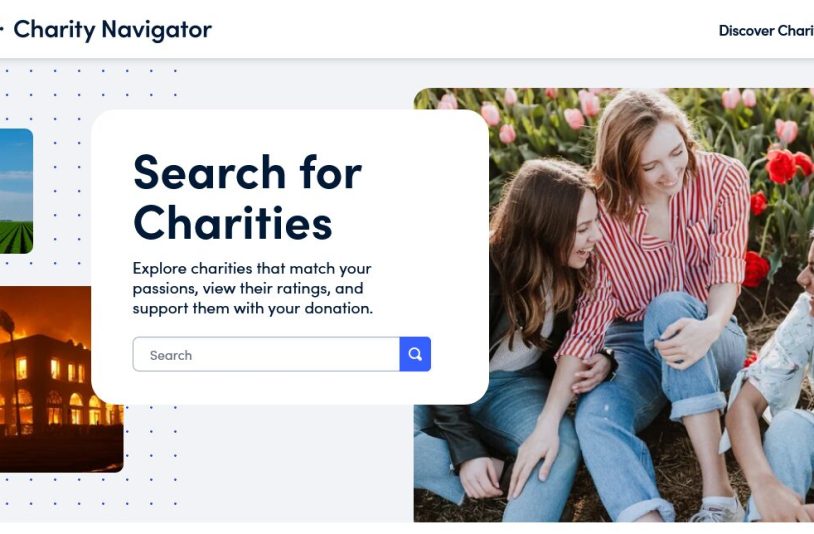
Charity Navigator is one of the most widely used and respected charity rating platforms, It helps donors like you evaluate nonprofits based on their transparency, financial health, and overall performance.
Charity Navigator gives you the tools to make informed, confident decisions whether you support disaster relief, education, animal welfare, or any other cause.
In this guide, we’ll explain Charity Navigator’s key features and how to use them to support the causes that matter most to you, with peace of mind and purpose.
Jump to Section [Hide]
- What Is Charity Navigator?
- How Charity Navigator Rates Charities
- Exploring Features of Charity Navigator
- How to Use Charity Navigator to Research Charities
- Tips for Smart and Responsible Giving
- Benefits of Using Charity Navigator
- Limitations and Criticisms of Charity Navigator
- Alternatives and Complementary Resources
What Is Charity Navigator?
Charity Navigator, founded in 2001 by John Patrick Dugan, helps you check charities before donating. The platform rates over 230,000 nonprofit organizations across the U.S.
It operates as a nonprofit under 501(c)(3) status with Tax ID no. 13-4148824. You can find data on financial health and accountability for these nonprofits. Charity Navigator’s headquarters are in Saddle Brook, NJ, at 299 Market Street, Suite 250.
Michael Thatcher is the current CEO, leading this trusted tool for informed giving decisions.
How Charity Navigator Rates Charities
Charity Navigator rates nonprofits using a simple star system. It checks for fair scoring on factors like finances, accountability, and transparency.
Explanation of the star rating system
The star rating system uses four stars at most. Four stars mean excellent performance, while one star shows serious concerns.
Ratings check financial health, accountability, and transparency. They also look at how well a charity reports its results. This helps you see if donations are used wisely or aligned with the charity’s goals.
Each score ranks between 0 and 100 before translating into stars. Updated scores keep ratings fair and current as new data arrives from sources like IRS Form 990s.
Breakdown of key evaluation criteria
Charity Navigator checks three things: financial health, accountability, and transparency. Financial health shows how well a charity uses money for programs instead of overhead costs.
Charities with smart spending get better scores.
Accountability and transparency matter too. These include clear policies, open tax forms like the IRS Form 990, and honest reporting about results. A charity that shares its impact wins trust and higher ratings.
How ratings are calculated and updated
Ratings rely on data from registered charities, including financial reports, IRS Form 990 filings, and self-reported details. Assessments focus on key areas like financial health, accountability, and transparency.
Charity Navigator updates reviews yearly for large nonprofits earning over $1 million in revenue. Smaller organizations may see fewer frequent updates. New information or changes in operations can quickly impact a charity’s rating.
Exploring Features of Charity Navigator
Charity Navigator offers practical tools to help you find and compare charities and explore their features to make smarter giving choices.
Charity search and filters
Start your search using the Charity Navigator tool. It lets you explore over 230,000 charities. Use filters to narrow results by location, cause, or rating. For example, find top-rated food insecurity nonprofits near you.
You can sort by star ratings or financial health. The platform’s “cause filter” helps locate organizations aligned with values like affordable housing or effective altruism. This saves time and ensures smarter giving decisions!
Top-rated charities by cause
You can find charities sorted by the causes they support. Charity Navigator highlights top-rated ones, making your search easy. These include groups helping with hunger, disaster relief, education, or health care.
For example, Feeding America fights food insecurity across the U.S., while Direct Relief provides medical help worldwide.
Charity Navigator rates only about 6% of all U.S. nonprofits but covers 94% of the sector’s revenues. This ensures you’re focusing on impactful organizations. Use filters to explore causes you care about and see which nonprofits perform best in transparency and results.
Compare tool for evaluating multiple charities
The compare tool helps you check multiple charities side by side. It shows ratings, financial health, and accountability for each nonprofit.
This feature saves time and keeps things clear. Use it to find top-rated organizations that match your goals. With this easy-to-use option, you can make smarter donation decisions.
Causeway: Personalized giving portfolio
Causeway makes giving easier. Acquired in August 2023, this tool helps you build a unique donation plan. It looks at your values and picks charities that match them.
Through Causeway, you can support causes like hunger or education. It also offers donor-advised funds and matching funds options, which save time while making your charitable giving more personal and impactful.
Access to detailed reports and impact summaries
You can view detailed reports on charities. These show how donations are used and their impact. Charity Navigator improved these insights by acquiring ImpactMatters in October 2020.
The focus now includes evaluating results, not just finances.
The platform uses its Encompass Rating System, launched in July 2020, to cover four key areas. This gives you specific data about a charity’s performance and goals. These details help donors like you make more intelligent choices based on measurable outcomes.
How to Use Charity Navigator to Research Charities
You can quickly find trustworthy charities, check their ratings, and see how they use donations.
Step-by-step guide to finding and reviewing a nonprofit
Use Charity Navigator’s search tool to start. Type the name of a nonprofit or select a category like hunger, education, or animal welfare. Use filters to narrow results based on ratings, financial health, or impact assessments.
Click on a charity’s profile for details. Review the star rating system; four stars mean excellent performance. Check metrics like spending efficiency and accountability standards.
Look at historical data to see if they maintain consistency over time. Explore their summaries and reports for deeper insights into their work.
Interpreting the rating details and analytics
Check the star rating to see how well a charity performs. Higher stars mean better performance. A 4-star charity is excellent, while a 1-star charity shows room for improvement.
Look at financial health and accountability scores. These show how funds are used and if the rules are followed. Use these details to decide if a nonprofit aligns with your goals for giving.
Checking historical performance and consistency
Reviewing a charity’s past can help you make wise choices. Charity Navigator tracks historical data, showing trends in financial health and transparency. Look for steady performance over time, not just recent success.
Focus on consistency in ratings since the July 2010 CN 3.0 update. Sudden drops or spikes may signal issues or growth spurts. A solid record shows that a nonprofit can handle funds well and deliver results year after year.
This builds trust before donating.
Using the “Hot Topics” or “Curated Lists” features
Use the “Hot Topics” to find charities reacting to urgent events. These include natural disasters, crises, or specific causes like hunger and food insecurity. Charity Navigator gathers these lists fast so you can help where needed most.
The “Curated Lists” feature is excellent for exploring top-rated nonprofits by cause. Whether you care about education, health, or animal welfare, these lists simplify searching.
Each charity on the list meets high standards in transparency and impact.
Tips for Smart and Responsible Giving
Give with a purpose that matches your passions. Use tools like Charity Navigator to avoid risky nonprofits.
Cross-referencing ratings with other charity watchdogs
Check ratings on platforms like CharityWatch and GiveWell. These groups also evaluate nonprofits using different methods.
See GuideStar for reports or the BBB Wise Giving Alliance for transparency checks. Compare their findings with Charity Navigator to get a complete picture of a charity’s impact.
Looking for red flags
Stay alert for charities that hide essential details. In 1999, over 59% of 58,000 charities failed to report how much they spent on fundraising. That’s a warning sign. Check if the nonprofit openly shares financial reports and donation spending.
Watch out for groups with vague goals or no clear mission. A trustworthy charity should explain its purpose and show results. Avoid organizations that pressure you to give quickly or provide unclear contact information.
Always verify their status as a registered charity with tools like Charity Navigator or the IRS website.
Aligning donations with your values and causes
Pick causes that matter to you. Consider what issues touch your heart, like education, health, or animal welfare. Use Charity Navigator’s filters to find charities that match those values.
Check if the nonprofit’s mission aligns with your beliefs. Read their goals and impact reports. Supporting organizations with similar passions makes giving more meaningful.
Choosing between local and global organizations
Think about the causes that matter most to you. Local organizations often address issues in your community, like food banks or shelters. These charities can show quick results close to home.
Global organizations tackle problems on a larger scale, like fighting poverty or supporting health care worldwide. They reach places hit hard by disasters or a lack of resources. Choose based on how far you want your donation’s impact to travel and what aligns with your values.
Benefits of Using Charity Navigator
You can give wisely and feel secure about your choice. It helps you avoid wasteful or dishonest organizations.
Donating with confidence and purpose
Charity Navigator helps you donate with trust. Its star ratings guide you to credible charitable organizations. A 2025 study showed that these ratings affect how donors give. Using this tool, you can avoid scams, wasted donations, and poorly run groups.
Choose charities that match your values or goals. The platform clearly shows impact data and financial health. Support transparent nonprofits, knowing your gift makes a real difference.
Avoiding ineffective or fraudulent nonprofits
Check for nonprofits not rated by charity evaluators like Charity Navigator or Give.org. Many fraudulent groups exploit the lack of oversight, so ratings matter.
Look out for red flags. Scams often use emotional stories but lack proof of their work. To spot fake organizations, verify their tax-exempt status with the Internal Revenue Service (IRS).
Supporting transparent and impactful organizations
Transparent charities share clear financial data. With this openness, you can see how funds are spent. Many nonprofits now provide detailed reports to address concerns about misuse or waste.
Impactful organizations focus on real change. They use resources wisely to solve problems and help communities. Charity Navigator enables you to spot these groups by their strong ratings in accountability and results.
Time-saving for donors
Charity Navigator saves you time. You don’t need to spend hours researching charities yourself. It provides ratings, reports, and comparisons all in one place.
You can quickly filter by cause or location to find the right charity for your values. This tool helps you avoid long searches and makes donating faster and easier.
Limitations and Criticisms of Charity Navigator
Some charities are not rated, and the system relies heavily on financial data.
Not all charities are rated or up-to-date
Charity Navigator doesn’t rate every nonprofit. Smaller organizations or newer charities might be missing from its database because some groups lack the data needed for evaluation.
Ratings may also become outdated over time. A charity’s performance can change, but updates don’t always happen quickly. You should double-check recent records before donating to ensure your money makes an impact.
Some metrics may not fully reflect a charity’s impact
Some ratings rely too much on financial data. This can miss the bigger picture of a charity’s work. For example, low administrative costs look good but may mean fewer resources for staff or programs.
Impact is hard to measure with numbers alone. A nonprofit might change lives in ways that simple metrics cannot track. You should consider its mission and long-term goals, too.
Over-reliance on financial data
Focusing too much on financial data can create problems. Charity Navigator often uses short-term metrics, like income and spending, to rate charities. These numbers may not fully represent a charity’s impact or long-term success.
A nonprofit might spend less on administration but still fail to make a real change in its cause. You should also consider the effectiveness of its programs, not just its budgets. Combine this with other tools for better decisions about donations.
Importance of combining Charity Navigator with other research tools
Charity Navigator helps you start your research. It shows ratings and key data for many nonprofit organizations. But no tool is perfect on its own.
Cross-check details with other platforms like Candid or BBB Wise Giving Alliance. Look at a charity’s website for updates or direct reports. Read reviews from people who have donated or volunteered before.
This way, you can confirm a charity’s impact and trustworthiness before giving money or time to it!
Alternatives and Complementary Resources
Explore other platforms that offer charity insights to expand your research. Contact organizations directly for more details about their work and impact.
Other platforms for researching nonprofits
Consider using GuideStar for detailed charity profiles. It provides information about a nonprofit’s mission, financials, and leadership. For more transparency, you can access its Form 990 filings.
CharityWatch rates organizations based on how they spend donations. They check if funds go to programs rather than overhead costs. GiveWell focuses on charities with a high impact per dollar donated, such as global health causes.
How to contact a charity directly
Find the charity’s website. Most organizations list their contact details there. Look for a phone number or email address under “Contact Us.”.
Call them or send a clear message. Ask about their programs, spending, and goals. Always check if they respond quickly and politely.
Community reviews and firsthand experiences
Community reviews help you understand how a charity works. People share their stories about donating or volunteering; these reviews can show if the organization keeps its promises.
You can also learn how funds are used and what impact they have. Reading these experiences gives a clearer picture than numbers alone. It lets you know if the nonprofit aligns with your values and goals for giving back.
Final Thoughts
Using Charity Navigator makes giving easier and smarter. You can quickly research charities, check their ratings, and see their impact. This tool helps you support causes that fit your values while avoiding risky nonprofits.
Giving with care leads to stronger communities and bigger change. Start using it today to make every dollar count!