Share
 Facebook
 Twitter
 LinkedIn
 Pinterest
 Email
Many people face hardships caused by war, disasters, or crises. Refugees and asylum seekers often lose their homes, safety, and hope for a better future. They need help to rebuild their lives in new places.
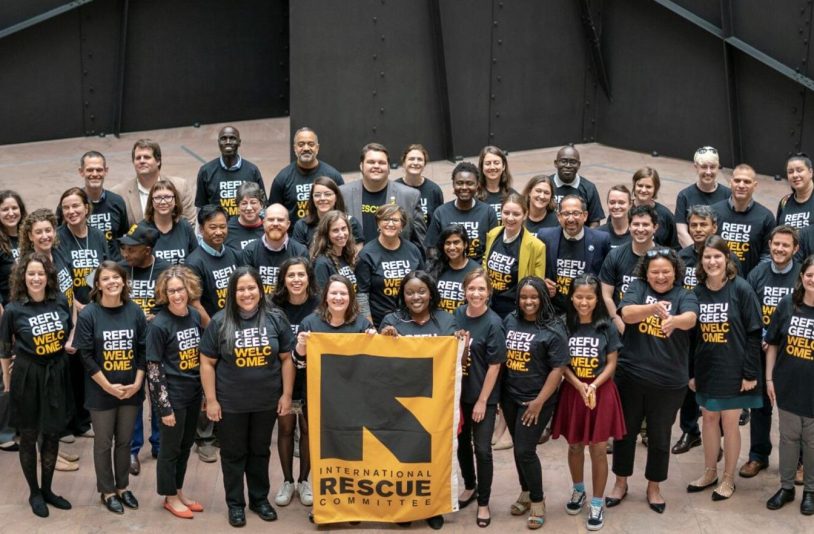
The International Rescue Committee (IRC) has worked to bring change since 1933. Founded at Albert Einstein’s request, it works in over 40 countries to assist those affected by these emergencies.
This post shows how the IRC provides support through safe shelter, job training, education, legal services, and more. You’ll learn how they transform lives step by step. Keep reading!
Jump to Section [Hide]
Mission and Core Principles
The IRC helps people in crisis rebuild their lives. It creates safe spaces and gives people the tools to build a better future.
Supporting people affected by conflict and disaster
Wars and disasters hurt families in many ways. People lose homes, loved ones, and basic needs like food and water. The International Rescue Committee (IRC) steps in to help those hit hardest.
You might find their work in Syria, Afghanistan, or Sudan. They quickly provide clean water, medical care, and shelter. Volunteers also teach survival skills so people can regain safety and confidence.
Through teamwork with local groups and governments, they make sure aid reaches the right hands quickly every time a crisis hits.
Promoting safety, dignity, and self-reliance
You deserve to feel safe and respected. The International Rescue Committee (IRC) helps people rebuild their lives with dignity. Refugees, asylees, and survivors of torture receive support like stable housing, clean water, quality healthcare, and nutritious food.
This care helps them stay healthy while they start fresh.
The IRC also strengthens self-reliance by offering job training and financial help. Each year, over 7,500 newcomers in cities like Oakland receive guidance. Programs teach work or business skills so families can earn income again.
With safety and resources secured, you can regain control of your future with confidence!
Emergency Relief
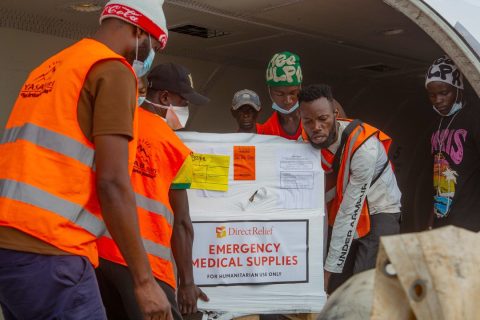
The IRC delivers urgent help during crises. They focus on meeting basic needs to save lives and bring hope.
Clean water, sanitation, and hygiene
Access to clean water saves lives in crises. In places like Ukraine, Pakistan, and Kenya, the IRC quickly delivers safe drinking water. They set up pumps and repair wells so families have what they need.
Sanitation and hygiene are just as important. Without them, diseases spread fast. The IRC builds toilets and provides soap in crowded areas like refugee camps. These simple steps protect health during emergencies.
Emergency health care and nutrition
The IRC saves lives by providing emergency health care in over 40 countries. You receive help during crises such as natural disasters or conflict. Medical teams treat injuries, fight disease, and provide vaccines to prevent outbreaks.
Malnutrition puts many at risk, especially kids. The IRC offers food programs to help people stay strong and healthy. Pregnant women also receive nutritional support to protect their health and support their babies’ growth.
This care helps families survive tough times and build a better future.
Shelter and essential supplies
During a crisis, you need a safe place. IRC provides shelters and critical items to those forced from their homes. Families affected by violence or disaster get tents, blankets, cooking tools, and even solar lamps.
These supplies help them survive tough times.
In 2024 alone, IRC programs provided health care assistance and housing support to over 7,000 people in New Jersey. This includes immigrants and humanitarian parolees needing urgent aid after arriving in the United States.
Shelters offer warmth while basic items bring comfort during uncertain moments.
Refugee Resettlement and Integration
Starting life in a new country is tough—but you’re not alone. Help exists to guide you with jobs, language skills, and community connections.
Resettlement support in the United States and Europe
In the United States, fewer than 1% of the world’s 35.3 million refugees are resettled. Since 1975, IRC has helped over 26,000 refugees in Dallas. In Northern California, it has welcomed more than 12,700 refugees to the Bay Area since it began working there.
Refugees often arrive with little more than hope for a better future.
The Program of Initial Resettlement (PIR) meets basic needs like food, shelter, and healthcare. It also focuses on education and legal rights for families starting new lives in America.
In Europe, support also includes finding housing and connecting families with local community resources. These services promote dignity while helping you build independence in your new home!
Language learning and cultural orientation
You can access English classes through the IRC’s Welcome and New Beginnings program. These include ESOL courses, which help adults and youth learn English faster. The IRC also offers digital literacy training to build skills for work or school.
Cultural orientation introduces you to life in the U.S., including housing, healthcare, and public benefits. Special Immigrant Visa holders and humanitarian parolees often join this program too.
It helps you adapt to new customs while keeping your own traditions alive.
Job training and employment services
Job training helps refugees find work fast. In New Jersey, workforce development programs offer job placement and help with recertification. These services give long-term career support.
You can learn skills for better jobs while earning money.
In Dallas, the Economic Empowerment program also provides financial coaching. It aims to help families become self-reliant within six months. Cash assistance also helps pay for basic needs during this time.
These programs boost economic empowerment and independence quickly after arrival.
Education in Crisis and Displacement
Education gives displaced families hope, helping children and adults build brighter futures amid chaos.
Learning programs for displaced children
Displaced children face many struggles. Programs like the Newcomer Youth Summer Academy in New Jersey give them hope. This three-week plan helps kids get ready for school. It teaches lessons, builds skills, and helps them adjust to a new culture.
In Dallas, refugee kids and their families also get educational support. The program focuses on learning and cultural integration. These efforts promote growth, safety, and self-reliance during hard times.
Safe and inclusive learning spaces
Youth programs in Oakland create safe spaces for learning. Refugees and immigrants can feel secure while they learn language skills. Caring tutors also help youth grow socially and emotionally.
During National Tutoring Week in 2026, people celebrated these efforts. Tutors worked hard to support young people affected by crises. These spaces promote dignity and community support for those starting fresh lives.
Adult education and vocational training
You can join English classes in Dallas to improve your skills. These classes are available online and in person, helping you build language fluency and digital literacy.
In July 2026, the Dollar General Literacy Foundation donated $8,000 for adult learning programs. This grant is part of $16 million distributed nationwide to support education. Programs like these prepare you for jobs and build your confidence.
Economic Recovery and Opportunity
People want jobs and ways to earn money again after crises. Programs help rebuild lives with training, funding, and support for lasting success.
Small business and financial support
You can grow your business with IRC’s help. In Oakland, you may find financial coaching and credit counseling. Refugees and immigrants can also get microenterprise support to start small businesses.
In 2025, IRC New Jersey helped 4,669 newcomers build assets. They offer economic empowerment services for long-term stability. These programs guide you toward better financial decisions and a secure future.
Skills development and job readiness
IRC helps newcomers learn job and computer skills. These programs match their cultural and language needs. IRC also offers financial literacy training to build workplace confidence.
In the U.S., IRC helped 15,000 people find jobs. Vocational training prepared them for employment. Financial coaching helped many succeed in their new lives.
Pathways to long-term self-reliance
Finding steady work is key to self-reliance. Refugees and immigrants bring value to the U.S. economy. Studies show they use fewer public benefits than they give back through taxes.
They also start businesses more often than U.S.-born people.
Virtual briefings, like those held on October 19, 2026, share ways you can support these communities. Programs offer job training and financial help for small businesses. These efforts build stronger futures for families while boosting local economies too.
How IRC Programs Support Recovery
IRC bridges urgent aid with lasting support. Their work adapts to local needs, ensuring help reaches those who need it most.
Connecting urgent aid with long-term services
The International Rescue Committee helps people in crisis with urgent aid and long-term support. In emergencies, they offer food, clean water, and medical care. Later, they provide services like economic support and legal assistance to help people build a stable future.
In the U.S., IRC’s affordable legal services helped over 2,600 people become citizens. These programs aim to build self-reliance and improve the lives of refugees and immigrants. They focus on health, safety, and opportunities for all communities they serve.
Adapting programs to local needs
IRC works with schools, nonprofits, and landlords in cities like Oakland and Elizabeth, NJ. These partnerships help meet local needs. For example, Digital Inclusion services provide affordable tech and training.
This bridges the digital gap while helping people find jobs.
You see this focus across IRC’s operations. Programs match community goals rather than using one-size-fits-all plans. This approach builds stronger ties with locals and supports self-reliance faster.
Final Thoughts
The International Rescue Committee changes lives every day. It brings hope to families hit by war and disasters. You can see its impact in emergency aid, refugee support, and education programs.
It helps people rebuild their futures with jobs, safety, and dignity. Through action and care, it turns crisis into opportunity.