Share
 Facebook
 Twitter
 LinkedIn
 Pinterest
 Email
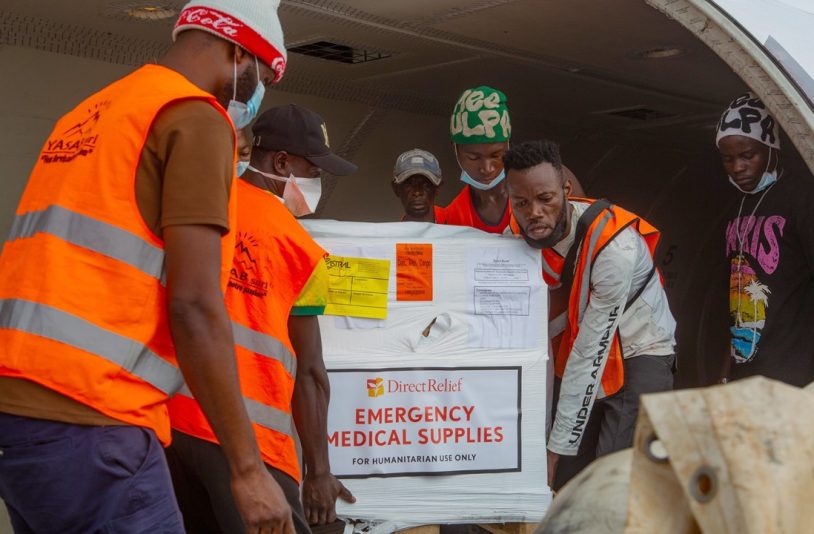
Health crises and disasters can strike at any time. Many communities struggle to get the medical aid they need during these tough moments.
Direct Relief is a nonprofit organization dedicated to this work. Founded in 1948, it provides life-saving support worldwide, including medicines, supplies, and disaster relief.
This article shows how Direct Relief transforms global health. You’ll learn about its mission, programs, and worldwide impact. Keep reading!
Jump to Section [Hide]
Mission and Approach
Direct Relief focuses on helping the most vulnerable people. Their work supports better health and quick aid during crises.
Mission and vision
The mission focuses on helping people in need during crises or poverty. It aims to provide humanitarian medical aid and improve global health.
You see their vision in action every day. They support underserved communities through donated medicines, supplies, and private contributions.
Priority communities and health needs
Direct Relief focuses on helping people in poverty or crisis. Aid reaches disadvantaged and medically underserved groups in more than 100 countries. They support community health centers and have donated more than half of $2 billion in medical supplies since 2008.
They care for those facing disasters, emergencies, and health challenges. You see their help reach places like North Kivu during the Ebola outbreak or Ukraine during the conflict. Maternal and child health programs also get top attention, improving lives where it’s needed most.
Humanitarian principles and operating model
The operating model relies on private support, such as donations and in-kind gifts. No government funding is taken. All money goes to programs and emergency responses. None is used for fundraising.
Humanitarian work follows key principles. You focus on helping people in need everywhere, without bias. The goal is to reduce suffering while fully respecting human rights and dignity.
History and Milestones
Direct Relief started small but aimed big—helping people in need. Over time, it grew stronger and tackled major global health challenges.
Founding and early work
William Zimdin started helping Europe after World War II in 1945. He sent relief parcels filled with needed items.
In 1948, he founded the William Zimdin Foundation to organize this aid. Dezso Karczag took charge when Zimdin died in 1951. The organization renamed itself Direct Relief Foundation in 1957.
Growth in disaster response
Direct Relief has expanded its disaster response over the years. In 2004, it sent nearly $122 million in medical aid to 54 countries. By 2018, that number grew to about $1.2 billion in supplies sent to more than 100 nations.
This growth highlights their quick action during crises like the Ebola outbreak and support for areas hit by hurricanes or earthquakes. They work with groups like FedEx and ESRI to move supplies fast.
Through partnerships with organizations such as Tesla for renewable energy solutions, Direct Relief helps health centers stay powered even after disasters strike.
Major milestones in global health
In 2011, Direct Relief Women started focusing on safe childbirth worldwide. This volunteer group helped improve care for moms and babies.
By 2022, over $2 billion in medical aid reached 98 countries and U.S. states. That year alone, financial help totaled $58.2 million!
Core Programs
Direct Relief runs key programs to help communities in need—learn how these efforts save lives and improve health.
Emergency preparedness and response
Strong plans save lives in emergencies. In 2018, a division in Puerto Rico was started to boost readiness after Hurricane Maria. It provided $70.2 million in medical aid from 2017 to 2018.
For Hurricane Ian in 2022, it quickly set aside $1 million for help. Many shipments of supplies followed. With fast action and planning, health care reaches those who need it most during crises.
Maternal and child health
Direct Relief helps save mothers and babies. In 2017, it gave out 300 midwife kits. These kits helped ensure 15,000 safe births worldwide. In 2011, the group also created the Global Fistula Map with the United Nations Population Fund and the Fistula Foundation.
This map guides efforts to treat women with fistulas.
Training is another key focus. Back in 2004, Direct Relief started a nurse assistant program in India. By 2019, over 1,200 nurses finished their training there. These programs show how Direct Relief supports healthier moms and kids everywhere!
Power for Health
The Power for Health program started in 2018. It helps health centers by giving them solar panels and battery systems. These systems keep clinics running, even during power outages.
By June 2024, the program had installed 19 systems and was working on 48 more projects. In March 2024, the program set aside $10 million to create solar microgrids for U.S. tribal communities.
These upgrades provide reliable energy for better healthcare in underserved areas like rural clinics and tribal lands.
Essential medicines and medical supplies
Direct Relief International provides life-saving medicines and supplies to people in need. It partners with pharmaceutical manufacturers to donate medical resources. In 2018, Direct Relief delivered $1.2 billion worth of these supplies globally.
On November 21, 2023, it announced $2 billion in medical donations to U.S. healthcare systems since 2008. These supplies support crisis response efforts and improve access to care worldwide.
How Direct Relief Delivers Aid
Direct Relief works closely with healthcare providers to get supplies where they are needed most. They use smart logistics to ensure quick and reliable aid delivery.
Partnerships with healthcare providers
Aid reaches over 1,000 Federally Qualified Health Centers through long-term partnerships. These connections average nine years. This ensures steady support.
Help goes to clinics, shelters, and care centers across the U.S., addressing local health needs. It focuses on strengthening services where people live and seek care every day.
Supply chain and distribution
Direct Relief uses advanced tools like SAP and Esri to manage shipments. These systems help track medical supplies and ensure fast, accurate deliveries. FedEx supports transportation to ensure reliable shipping.
In 2019, Direct Relief opened a new warehouse in Santa Barbara, CA. It spans 155,000 square feet, is earthquake-safe, and uses top-tier technology to sort items quickly. A Tesla-built microgrid powers the facility for up to six months during disasters, keeping operations smooth no matter what happens.
Support for local health systems
You help local health systems thrive by supporting critical needs. In 2018, $23.5 million funded projects like staffing and solar energy for clinics. During COVID-19, the Navajo Nation received $1 million in aid to address the crisis.
Big donations also make a difference. After Hurricane Harvey, Abbott Laboratories and the Abbott Fund gave $900,000 to support nearby health operations. These efforts strengthen care where it’s needed most.
Global Health Impact
Direct Relief helps more people get care, fight health gaps, and support clinics worldwide.
Improving access to care
You see healthcare barriers every day. Direct Relief breaks those barriers. In 2013, it worked with Basic Health International to help Haitian women fight cervical cancer. That care included screenings and treatments.
The Health 4 Ukraine program started in 2022. It covered prescription costs for Ukrainian refugees in Poland. This shows how aid can meet real needs fast. These efforts ensure people get the care they deserve, no matter where they are or what they face.
Addressing health inequalities
Direct Relief works to close health gaps in poor areas. In 2022, Direct Relief provided over $1 billion in medical aid to U.S. community health centers. These centers help marginalized or underserved people.
The organization also funds projects in 50 countries on five continents.
You see their impact in places like Venezuela and Lebanon, where many can’t reach care. They supply essential medicines, medical tools, and other resources that save lives.
This work focuses on giving everyone a fair chance at good health no matter their income or location.
Strengthening frontline health services
Frontline health services save lives. You help communities by strengthening these services. In 2012, Last Mile Health improved care through a childhood pneumonia program in Liberia. This kind of effort reaches the people who need aid most.
COVID-19 hit hard worldwide. By June 2020, the COVID-19 community health center fund had supported more than 518 health centers. These centers gave critical care to families during tough times.
Strong local systems provide faster, more effective help to those in need.
Humanitarian Response
Disasters strike everywhere, leaving countless people in need. Direct Relief steps in quickly to provide life-saving help and care.
Disaster relief operations
Direct Relief has supported communities during major disasters. After Hurricane Katrina in 2005, they helped over 37,170 evacuees and started a hurricane preparedness program.
In 2016, when Hurricane Matthew hit, they delivered 16.7 tons of medical supplies to hospitals in need via FedEx planes.
In 2019, during Hurricane Dorian, Direct Relief sent medical aid and emergency supplies to the Bahamas. They act fast by working with local groups and healthcare providers. This helps them send help where it is most needed after disasters like hurricanes or other crises.
Assistance during conflict
In March 2022, the Ukrainian Ministry of Health and Direct Relief formed a major partnership. They sent over 125 tons of medical supplies in just one month. This effort brought hope to many during a difficult time.
By December 2022, $29.4 million in aid had helped Ukrainians and refugees. The Fortnite community also raised $144 million for relief efforts that same year, donating part of it to Direct Relief.
These funds provided medicine, care, and support during the conflict.
Support for displaced communities
Direct Relief has helped many displaced communities. After the 2010 Haiti earthquake, they gave $57 million in emergency medical aid. This helped people who lost their homes and needed care.
In 2018, wildfires hit Maui. Direct Relief sent wildfire kits and medical backpacks to help those forced to leave their homes. During Typhoon Yutu that same year, they supplied 40,000 liters of drinking water to the Northern Mariana Islands.
Their quick action saves lives during tough times.
Innovation and Resilience
Technology transforms the way aid reaches those in need. Renewable energy strengthens health centers, making them more resilient and ready for challenges.
Technology for efficient aid delivery
Direct Relief uses advanced tools to deliver aid quickly. Systems like SAP and Esri help manage the supply chain. These tools make tracking and shipping supplies easier. They also ensure deliveries reach the right place at the right time.
Esri’s Geographic Information Systems (GIS) show patterns in health needs. In 2013, Direct Relief won the Esri President’s Award for this work. This technology lets you see where diseases or disasters hit hardest, making responses faster and smarter.
Renewable energy for health facilities
Health facilities need reliable power. Solar energy systems help keep them running, even in emergencies. The Santa Barbara warehouse has a Tesla-built microgrid. It can provide power nonstop for six months.
In 2024, Alliance Medical Center got $500,000 to install solar and battery systems. This helps cut costs and ensures care during blackouts. Renewable energy strengthens health services and makes them more dependable worldwide.
Preparedness for emerging health threats
Direct Relief responds quickly to health threats like Zika and COVID-19. In 2015, it set up a special fund to fight the Zika virus. It sent supplies to help 14 countries fight the disease.
In early 2020, Direct Relief worked hard to fight COVID-19. In just four months, Direct Relief delivered over 145,000 pounds of medical aid to all 50 U.S. states and 32 other countries. Their quick actions save lives worldwide by preparing for crises before they hit.
Partnerships and Public Support
Strong partnerships with companies, healthcare groups, and local communities help Direct Relief provide aid faster—read on to see how this support changes lives.
Corporate and institutional collaborations
Big companies play a huge role in Direct Relief’s success. 3M gave $10 million to help community health centers during COVID-19. The Starbucks Foundation donated $250,000 to deliver medical supplies in 2020.
The Clorox Company Foundation donated $5 million to support caregivers facing tough times. These partnerships make a big impact fast by providing funds and resources where they are needed most.
Community and volunteer contributions
Volunteers and community members play a huge role in Direct Relief’s work. Through their support, essential tasks like packing medical supplies or organizing donations become possible.
Each year, countless hours help move aid quickly and efficiently.Since 2016,
Direct Relief Gaming has raised $14.1 million through online charity events. Twitch users alone gave $1 million by June 30, 2024. These efforts show how people everywhere can help others in need.
Donor support and engagement
Direct Relief thrives on your generous support. Private donations, not government funds, keep it running strong. From 2000 to 2014, we delivered over $1.6 billion in medical aid, supported by an average annual budget of $11 million.
Your involvement is vital. Organizations like the Altamed Foundation and Acción Solidaria help reach places like Nepal and Chad. This partnership ensures rapid aid during crises such as the Ebola outbreak or conflicts in Africa.
Every dollar helps save lives worldwide!
Accountability and Recognition
Direct Relief stands out for its clear financial practices and focus on efficiency. Its efforts have earned high ratings and respect worldwide.
Financial transparency and efficiency
All funds go to nonprofit programs and emergency responses. None is used for fundraising. In 2015, Forbes gave Direct Relief a perfect score for fundraising efficiency. This proves how carefully they manage resources.
Charitywatch also rates them highly as a charitable organization. They ensure every dollar supports global health or humanitarian aid. You can trust that your donations make a real impact without waste.
Charity ratings and awards
Direct Relief has earned high praise for its work. In 2023, Charity Navigator gave it a perfect 100% score for impact, efficiency, and transparency. This marked the organization’s 14th straight four-star rating.
In 2015, Fast Company named Direct Relief one of the “World’s Top 10 Most Innovative Companies of 2015 in Not-For-Profit.” It also received the Seoul Peace Prize in 2025 for its global health efforts.
These honors show how much people trust and value its aid programs worldwide.
Measuring outcomes and impact
You can track Direct Relief’s success through clear facts. In 2023, Charity Navigator gave it a perfect 100% score for Accountability and Finance. This shows transparency and trust in how funds are used.
CharityWatch also gave the group an A+ rating in 2022. These grades prove its effectiveness in helping people worldwide. The results reflect strong planning and delivery of humanitarian assistance.
Challenges and Future Priorities
Meeting health needs keeps getting tougher—new threats emerge daily. Stronger local systems and wider reach will shape the next steps.
Responding to changing global health needs
Global health needs shift quickly. In 2024, Direct Relief supported projects in 50 countries across five continents. Crises like the Hawaii wildfires and Turkey-Syria earthquakes pushed for faster action.
The group works with local systems to adapt aid where it’s needed.
Direct Relief focuses on gaps in care. It helps during conflicts and supports displaced communities worldwide. By providing medicines, power solutions, and disaster-relief supplies, it meets urgent demands.
Strong partnerships with groups like ANERA make this work possible everywhere, from South Africa to the Philippines.
Expanding reach and local partnerships
Direct Relief expanded its reach by opening a division in Puerto Rico. This helped improve disaster response and preparedness on the island. The move showed its commitment to supporting local needs during emergencies.
The organization also works with over 1,000 Federally Qualified Health Centers across the U.S., strengthening healthcare access for communities in need. Local connections help deliver aid faster and more effectively where it’s needed most.
Building resilient health systems
Strong health systems save lives during crises. In March 2024, a $10 million push to build solar-and-storage microgrids began in U.S. tribal areas. These systems power clinics even in storms or blackouts.
As of June 2024, 48 Power for Health projects were under construction. These projects aim to stabilize healthcare in tough areas like Panama and Hawaiʻi. Solar energy helps keep vaccines cold and lifesaving tools running every day.
Final Thoughts
Direct Relief changes lives. It brings health care and hope to those in need. You see its impact in disaster zones, clinics, and underserved communities. Its work shows the power of kindness and teamwork.
The mission inspires action everywhere!