
 Share
Share Facebook
  Twitter
  LinkedIn
  Pinterest
  Email
Email 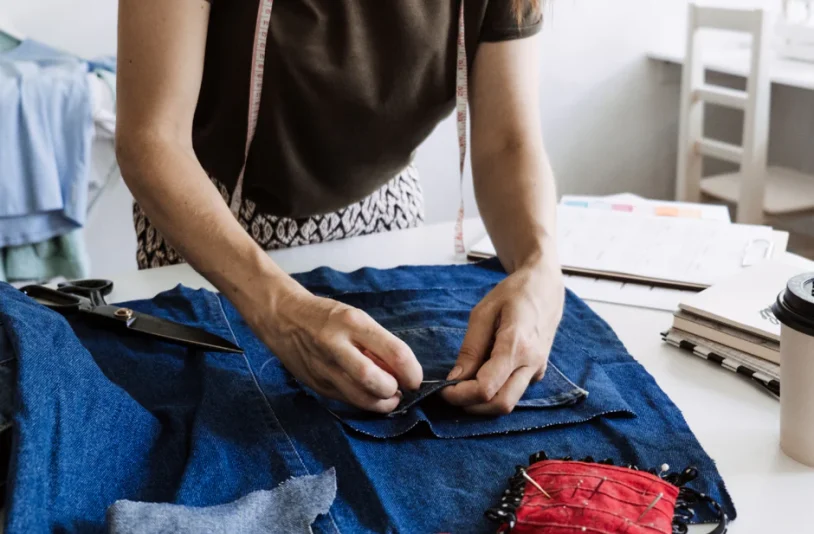
Most of us have a pile of old T-shirts, stretched-out jeans, or sweaters we keep for “someday” that just take up space. Instead of throwing them out or letting them gather dust, you can turn them into something fun, useful, and new.
Using old clothes in new ways is an easy way to save money, reduce waste, and be creative. A faded shirt can become a tote bag, worn-out jeans can turn into a cushion cover, and even single socks can be made into toys or cleaning cloths. You don’t need to be great at sewing, since many projects are simple, and some don’t need any sewing at all.
Are you ready to look at your wardrobe differently? Let’s get started!
Jump to Section [Hide]
- Before You Start: Sort and Assess Your Old Clothes
- Creative Ways to Repurpose Old Clothes
- Fashion Refresh: Turning Old Clothes into “New” Outfits
- Upcycling Projects for Beginners
- Intermediate and Advanced Upcycling Ideas
- Home and Organization Projects Using Old Clothes
- Fun Projects for Kids and Pets
- What to Do with Fabric Scraps and Leftovers
- Tips for Getting Started and Staying Motivated
- Why Repurposing Old Clothes Matters
Before You Start: Sort and Assess Your Old Clothes
Start by grouping your clothes into piles—those to keep, repurpose, donate, or discard. Check each piece for quality, damage, and what it can become with a little creativity.
How to decide what to keep, repurpose, donate, or recycle
Keep clothes in good condition for future projects, like quilts or updated outfits. Save items with sentimental value for memory crafts. Repurpose damaged clothing into cleaning rags or toy stuffing.
Donate wearable pieces to charities or friends through swaps. Sell popular items online on platforms like eBay or Poshmark. Recycle the remainder at textile drop-off locations to reduce waste.
Checking fabric quality, stains, and damages
Look for stains, tears, or smells on your clothes. Persistent odors or tough stains may mean the item needs to be recycled. Small holes or minor damage can work for visible mending projects.
Feel the fabric with your hands. Strong fabrics such as denim and canvas are well-suited for bags and baskets. Soft, stretchy T-shirts are beginner-friendly and great for crafts like rugs or plant hangers.
Thin or delicate pieces may be better suited for stuffing or patchwork.
Matching projects to the type of clothing and fabric
Pick projects that fit the fabric’s traits. Soft, stretchy T-shirts are perfect for cleaning rags, tote bags, or braided rugs. Denim is durable and suitable for quilts, aprons, storage bins, or coasters.
Warm sweaters make great cushion covers, pet beds, hats, or mittens. Button-down shirts have structure and can transform into pillows or children’s clothing. Dresses and skirts often turn into scarves or headbands.
Socks are good for bean bags and draft stoppers. Match each item to its strength for easier crafting.
1. Creative Ways to Repurpose Old Clothes
T-Shirts: cleaning rags, tote bags, braided rugs, plant hangers, pillowcases
Cut T-shirts into 10-inch squares. These make soft, lint-free cleaning rags you can wash and reuse. For a tote bag, cut off the sleeves and neckline. Tie or sew the bottom to close it.
Turn old T-shirts into braided rugs or plant hangers using T-shirt yarn. Simply cut thin strips and braid or crochet them together. Sew pillowcases from larger shirts or try fusible webbing for no-sew options!
Denim/Jeans: shorts, tote bags, storage bins, wall organizers, coasters
Turn your old jeans into cool shorts with just a few cuts. They make great summer outfits and save money. Use denim for sturdy tote bags that can hold heavy items. Strong fabrics like this are perfect for reusable shopping bags.
Create storage bins or wall organizers from denim scraps. These are practical for keeping items tidy at home, such as toys or tools. Cut smaller pieces into coasters that protect tables and last longer thanks to the thick material.
Denim projects look stylish while maintaining their durability!
Sweaters: cushion covers, hats, mittens, leg warmers, pet beds
Old sweaters make great cushion covers. Use cable-knit ones for a cozy look. Sweater sleeves can be converted into leg warmers or wine bags. Cut them, hem the edges, and you’re done.
Turn damaged sweaters into pet beds. Stuff with old pillows or foam to create soft spots for pets. Hats and mittens are also easy to craft from sweater fabric. Keep warm while saving your clothes!
Button-Down Shirts: pillows, aprons, children’s clothing, kitchen towels
Turn old button-down shirts into soft pillows. Use the shirt’s front for an easy design, with buttons as decorative accents. Shirt sleeves work great for small cushion covers.
Create aprons from men’s shirts using free sewing patterns. These are perfect for adults or kids’ crafts. Transform the fabric into kitchen towels for a reusable, eco-friendly option.
Upcycle them into children’s clothing, like dresses or blouses. Interesting patterns on shirts add charm to kid-sized outfits. Patch together pieces for fun memory quilts, too!
Dresses and Skirts: tops, scarves, headbands, wrap skirts
Cut long dresses into crop tops with scissors. No sewing needed! Add a belt or trim for style. Maxi dresses can be converted into skirts by adding waistbands. You can even dye them to refresh outdated colors.
Use fabric from old skirts to make headbands or scarves. Wrap skirt projects work great with lightweight materials. Create patchwork designs using pieces of dresses and skirts for unique crafts, such as gift wrap or small items.
Socks: bean bags, whiteboard erasers, dusting cloths, draft stoppers
Old socks work great for making bean bags. Fill them with rice, tie the ends tight, and you’re done. Use tall socks for this or even a no-sew bunny project by adding twine and ribbon.
Turn old socks into whiteboard erasers. Cut squares from the fabric and use them to easily clean marker stains. For draft stoppers, stuff long socks with fabric scraps or other soft materials.
Place these at the bottom of doors to block cold drafts during winter. Dusting cloths are simple, too: cut up old socks into small wipes, perfect for cleaning surfaces around your home!
2. Fashion Refresh: Turning Old Clothes into “New” Outfits
Simple alterations to update fit and style
Change the fit of your clothes with small sewing projects. Take in the bust on a dress or top to make it snug. You can adjust necklines and sleeves to achieve a more modern look.
Make crop tops from old shirts or dresses by cutting them short. Add patches, trims, or frills for extra flair. Use fabric glue if you don’t want to sew. Consider adding waistbands to long dresses to turn them into skirts.
Cropping, distressing, or adding patches and trims
Cut sleeves or hems to create tank tops or crop tops. Cropped edges give old shirts and sweaters a trendy, casual vibe. Denim shorts can look stylish by trimming long jeans.
Distressing denim adds character. Use sandpaper to fade areas like knees or thighs. Add small cuts with scissors for a worn look. Apply patches or trims using fabric glue for no-sew options.
Light fabrics work great with lace trims, while bold prints make fun accents on T-shirts and jackets.
Dyeing, painting, or printing to give clothes a fresh look
Add fabric dye to your old T-shirts for a tie-dye makeover. Bright colors or pastel shades can cover up stains and give them new life. Try ombre effects by slowly dipping fabric into the dye for a stylish gradient.
Use bleach on denim to create abstract art designs. For unique patterns, paint directly onto clothes with fabric paint or stencils. Turn plain shirts into bold statement pieces with block printing techniques.
Painted strips of cloth can even be used in macramé wall hangings for home decor projects!
3. Upcycling Projects for Beginners
No-sew T-shirt tote bag
Turn an old T-shirt into a tote bag with no sewing needed. Grab scissors and pick a worn or oversized shirt you no longer wear. Cut off the sleeves and neckline to make handles. Then, cut slits along the bottom hemline and tie matching strips together into knots.
This eco-friendly project takes under 10 minutes and needs no extra supplies. It’s perfect for beginners or first-time upcyclers. Use your new bag for shopping, carrying books, or organizing items at home! Reduce waste while giving new life to your old tees.
T-shirt rag rug
Cut 6 to 8 old T-shirts into thin strips. Stretch the strips to make yarn-like material. Use a crochet hook and basic crochet stitches for easy assembly, or braid the strips instead.
No sewing machine is needed!
Create colorful patterns by dyeing the yarn before starting. Ombre effects work great, too. These rugs are durable, washable, and ideal for high-traffic areas such as entryways and kitchens. Use hot glue to secure the edges when braiding without crocheting.
Denim quilt or picnic blanket
Turn old jeans into a sturdy denim quilt or picnic blanket. Cut squares from several pairs of jeans and sew them together. Use flannel or fleece for the backing to make it soft and cozy.
This project needs basic sewing skills, but simple designs work fine if you’re just starting.
Denim quilts are tough and great for outdoor use. They also preserve memories from your favorite worn-out jeans. Check out ideas on sites like Scrap Fabric Love for more inspiration.
A finished quilt looks stylish while being sustainable!
No-sew sock bunny or plush toy
Grab a tall sock, some rice, twine, and a ribbon to create a no-sew sock bunny. Fill the sock with rice until it feels firm but squishy. Tie off sections with twine to form the head and body.
Use scissors to cut the ears from the top part of the sock.
Draw a face using a fabric marker. Add personality with whiskers or rosy cheeks. Wrap a ribbon around the neck for decoration. This simple craft takes less than 30 minutes! It’s perfect for kids or beginners looking for fun plush toys or Easter gifts.
Infinity scarf from an old dress or shirt
Cut a rectangle from an old dress or shirt. Use lightweight fabrics like cotton or jersey for the best results. The fabric should be long enough to wrap around your neck twice and wide enough to drape nicely.
Sew the short ends of the fabric together with a seam, or knot them for a casual look. You only need scissors and basic sewing supplies, no special tools required. Add trims or embellishments for extra flair.
One dress or shirt can make one scarf, sometimes more!
Simple cushion cover from a sweater or button-down
Use an old sweater or button-down shirt to make a cushion cover. Sweater sleeves can work for small pillows. Use the sweater body for larger cushions. For button-downs, use the buttons as a built-in closure.
No advanced sewing skills are needed. Some tutorials even rely on fusible webbing instead of stitching. These covers refresh your decor while extending the life of worn clothes. Choose soft sweaters or sturdy shirts for different pillow sizes and styles!
4. Intermediate and Advanced Upcycling Ideas
Turning multiple shirts into a patchwork dress or skirt
Cut and sew 3 to 5 shirts together to make a patchwork dress or skirt. Use different colors, patterns, and textures for a unique look. Men’s or women’s shirts work well for this project.
Follow online tutorials for simple sewing steps. Start with basic techniques if you are new to sewing. You can create bold statement pieces with just fabric scraps from old apparel.
Creating a denim apron or tool belt
Turn old jeans into a durable denim apron or tool belt. Use one or two pairs of jeans for this project. The durable fabric is well-suited for gardening, crafting, or cooking. Keep jean pockets and seams to create storage spaces for tools.
Cut the denim to fit your body size. Sew edges neatly to prevent fraying and add ties or straps for support. Place pockets where they’re most useful, like on the front or sides. These upcycled pieces are tough, easy to clean, and perfect for sustainable fashion projects!
Making a memory quilt from sentimental clothing
Cut your sentimental clothing into equal squares or shapes. Use about 10–20 pieces of clothing for a full-sized quilt. Baby onesies, T-shirts, or dresses are great choices. Select flannel or fleece for the quilt backing for extra comfort.
Sew the fabric pieces together to create one big patchwork. Follow tutorials if needed for step-by-step help. Finished quilts can work as throws, picnic blankets, or gifts. This project keeps memories alive in a practical and cozy form!
Transforming men’s shirts into women’s tops or dresses
Turn a men’s shirt into a fitted blouse, dress, or apron with basic sewing. Use darts and seams to reshape the shirt for a better fit. Add waist ties or elastic to cinch it at the waist.
Choose shirts with unique patterns or colors for standout looks. Button-downs work well as girls’ dresses, blouses, or even kitchen aprons. Tutorials often guide you through sizing and installing closures such as zippers or buttons.
A single shirt can transform into many styles depending on how you cut and sew it!
5. Home and Organization Projects Using Old Clothes
Fabric baskets and storage bins
Turn old clothes into fabric baskets and storage bins to organize your home. Use durable fabrics, such as denim, for the best results. Cut and sew them into sturdy shapes that hold their form.
Old jeans or shirts work great for this project, saving several pieces of clothing per bin.
Line your bins with fabric scraps for a polished look. Add handles or trims to make them more useful and stylish. These are perfect for closets, craft rooms, or kids’ spaces. Tutorials can help you create round or rectangular designs with ease.
Reusable cleaning cloths and mop covers
Cut old T-shirts or towels into squares. Use these as reusable cleaning cloths for dusting or wiping spills. They perform well and can be washed after each use.
Make mop covers from socks or absorbent fabric scraps. Sew or tie them to fit your mop head securely. These eco-friendly options replace disposable ones and reduce waste in your home.
Fabric napkins, placemats, and table runners
Turn shirts, dresses, or skirts into fabric napkins. Cut and hem large pieces for perfect edges. Use scissors, an iron, and a sewing machine to get started. Add patchwork or simple embroidery for extra style.
These napkins are washable and eco-friendly.
Make placemats from thicker fabrics like denim or canvas. Sew table runners with long fabric pieces for full coverage. Customize them with seasonal colors or patterns to match your décor.
Follow tutorials online for easy measurements and tips!
Chair covers, slipcovers, and decorative throws
Large pieces of clothing, such as old jeans or sweaters, work well for chair covers. Mix fabrics from different garments to create a cohesive look for larger furniture pieces. Slipcovers refresh worn chairs and protect them, too.
You can wash them regularly to help keep your space clean and fresh.
Decorative throws add color and texture to your home decor. Create patchwork or quilted designs using leftover clothing materials. These projects also stretch the life of both old clothes and your furniture.
You’ll need basic sewing skills or follow easy tutorials online for guidance.
6. Fun Projects for Kids and Pets
Dress-up costumes and play capes
Old T-shirts and fabric strips can be repurposed into colorful play capes. Use fabric glue or simple knots to make no-sew designs.
Add fun with paint, stickers, or glitter for superhero or princess themes. These capes adjust easily for kids of all sizes and are perfect for parties or pretend play.
Stuffed animals and soft toys from old baby clothes
Turn old baby clothes into stuffed animals or soft toys. These projects use simple sewing techniques and basic patterns. Start with simple designs, such as a bunny plushie, ideal for beginners.
Add stuffing to bring them to life. You can find free tutorials online with step-by-step instructions.
Personalize the toys by sewing names or initials onto them. Use small fabric scraps from baby clothes for extra sentimental value. They make great keepsakes or thoughtful gifts. Repurposing these clothes is more creative and sustainable than buying new ones.
Pet toys and chew ropes from T-shirt strips
You can make fun pet toys from old T-shirt strips. Cut the fabric into even pieces. Braid them tightly to create a tug toy. These are strong, washable, and perfect for dogs or cats.
Adjust the size and thickness based on your pet’s needs. Use leftover scraps as stuffing for other toys. You only need scissors to complete this project, making it simple and cost-saving!
Cozy pet blankets and bed covers from sweaters and fleece
Transform old sweaters and fleece into cozy pet blankets. Use worn or stained sweaters that you no longer wear. Cut the fabric to your desired size, depending on your pet’s needs.
Stuff old sweater covers with pillow stuffing or foam for soft bed covers. These projects can be sewn or done without sewing. The materials make them durable, washable, and suitable for pets of any size year-round!
7. What to Do with Fabric Scraps and Leftovers
Patchwork projects and mending patches
Turn fabric scraps into something useful with patchwork projects. Combine old clothing pieces to make colorful quilts, tote bags, or cushion covers. Mix different patterns for a unique look.
A denim quilt is both sturdy and stylish. You can also create placemats or coasters by sewing small squares together.
Mending patches can give worn items new life. Repair holes in jeans or jackets with bright fabric for decorative appeal and durability. Add flower-shaped patches to shirts, or sew visible zigzag stitches on the knees of pants, to add character.
Try mixing materials like cotton and felt for eye-catching designs!
Hair ties, scrunchies, and headbands
Cut old T-shirts into strips to make hair ties, scrunchies, or headbands. Tie the fabric and sew lightly for a simple finish.
No sewing skills? Use stretchy T-shirt pieces as is. These accessories reduce waste and add personal style to your wardrobe.
Fabric gift wrap (furoshiki style) and gift tags
Use fabric scraps to create beautiful gift wraps in the furoshiki style. This Japanese wrapping method is eco-friendly and reusable. Old shirts, scarves, or dresses work great for this.
Cut large squares from soft fabrics like cotton or silk for the best results. Wrap gifts by folding the fabric around them and securing it with a knot.
Make matching gift tags from leftover materials. Cut small shapes like circles, rectangles, or hearts from sturdy scraps such as denim or canvas. Punch a hole at one end and attach it with string or ribbon.
Add handwritten messages to make each tag special!
Small crafts like bookmarks, keychains, and ornaments
Turn leftover fabric into small crafts like bookmarks, keychains, and ornaments. These projects are simple and fun. A bookmark requires only a scrap of cloth and possibly glue or thread.
Keychains can be decorative, practical, or both by adding small charms or beads.
Ornaments can brighten your space or make great gifts. Use holiday shapes, such as stars or hearts, to create seasonal pieces. These ideas keep scraps out of landfills while helping you stay creative!
Tips for Getting Started and Staying Motivated
Start with simple projects to build confidence—don’t stress over perfection. Make it fun by involving your family or friends!
Starting with small, easy projects
Begin with simple, budget-friendly ideas. Turn an old T-shirt into a no-sew tote bag or make cleaning rags. Create a cozy cat condo using just a T-shirt and a box. These projects are quick, affordable, and require little effort.
Try making yarn monogram wall art or holiday sweater trees for fun decorations. Use step-by-step instructions to stay on track. These small wins will boost your creativity and confidence to take on bigger tasks later!
Setting aside regular “upcycle time”
Pick a time each week for your upcycling projects. This keeps you focused and builds a routine. Even 30 minutes can help you turn old clothes into something new.
Use this time to work on simple ideas like T-shirt rags or produce bags. Small steps lead to big results over time. These moments save money, reduce waste, and enable creativity!
Involving family and friends for fun and accountability
Host crafting days with family or friends. Work on repurposing projects together, like turning sweaters into pet beds or making denim tool belts. Group sessions make the process more fun and help you finish tasks faster.
Share ideas and teach each other new techniques. Celebrate completed projects as a team to stay motivated. Try creating holiday crafts, such as festive decorations from old clothes, for extra creativity and bonding time.
Keeping an inspiration folder or board for future ideas
Create a folder or board for your project ideas. Use it to save pictures, steps, and tips for repurposing old clothes. This helps you stay organized and keeps your creativity flowing.
Add ideas like turning T-shirts into rugs or making quilts from denim.
Update the folder often with fresh ideas. You can use apps, Pinterest, or even a real corkboard! Seeing your saved projects can motivate you to start crafting. It also saves time by keeping all ideas in one spot.
Why Repurposing Old Clothes Matters
Turning old clothes into something new helps the planet, saves money, and sparks creativity.
Environmental impact of textile waste
Clothing waste harms the planet. Millions of tons of textiles end up in landfills every year. Many fabrics, like polyester, take decades to break down. This adds to overflowing dumps and releases harmful chemicals into the soil and air.
Repurposing clothes helps cut waste. By keeping old garments out of landfills, you protect the environment and conserve resources. Giving old fabrics new uses also reduces the need to produce new ones, saving water and energy.
It’s a small step with a big impact!
Financial benefits of reusing what you already own
You save money by turning old clothes into useful items. T-shirts can be repurposed into cleaning rags or tote bags, reducing costs on everyday essentials. Repurposing denim into storage bins or aprons also helps reduce purchases of new household goods.
Refreshed outfits cost less than shopping for new ones. Simple updates like cropping or adding patches give your wardrobe a fresh look without spending more. Selling unused clothes online adds extra cash, helping cover any upcycling costs and boosting savings even further!
Creative and emotional value of giving clothes a second life
Old clothes often hold special memories. A favorite shirt or a pair of jeans might remind you of past moments. Repurposing them preserves those feelings while creating something useful.
Turning an old sweater into a pet bed or a baby’s blanket can bring joy and meaning to both your creation and the memory it carries.
Upcycling also allows you to add creativity to your wardrobe or home projects. You can create unique items such as patchwork quilts, tote bags, or family keepsakes from sentimental clothing.
This process helps reduce waste and fills your space with personal touches that reflect your story and style.
Final Tips
Upcycling old clothes is smart and fun. You save money, help the planet, and give items a second life.
Try simple projects first to build confidence. Get creative and enjoy making something unique
Your old wardrobe has endless possibilities waiting for you to explore.


