Share
Share Facebook
  Twitter
  LinkedIn
  Pinterest
  Email
Email 
Moving to a new city is a big change. It can be exciting, but it can also feel stressful when you think about finding a place to live, packing your stuff, handling moving expenses, and adjusting to a new environment.
If you’re wondering how to move to a new city without feeling totally overwhelmed, having a simple plan can help a lot. The sooner you sort out the important details, the easier it is to stay on track and avoid extra stress.
This guide will help you prepare for the move, handle key relocation tasks, and settle into your new city with more confidence.
Jump to Section [Hide]
1. Research Your New City
Moving to a new city means learning its unique vibe and lifestyle. Take time to explore costs, neighborhoods, and local services—you’ll feel more confident.
Learn About the Local Lifestyle
Check local news and social media for real stories about the city. Search Facebook groups or Reddit to connect with locals. This helps you learn more than just tourist spots.
Join community events or clubs to meet people. Use platforms like Meetup to find hobby groups. Adjusting becomes easier when you feel part of the area’s culture.
Compare Neighborhoods and Housing Costs
Look at different neighborhoods to see which fits your needs. Some places may be close to schools or popular for families, while others are great for young professionals or retirees.
Suburbs often offer more space and peace than city centers but may mean longer commutes.
Housing costs can vary a lot between areas. A two-bedroom home in California could cost much more than in Mississippi. If prices seem high, think about downsizing or finding roommates to save money.
Real estate companies and relocation packages can also help you compare options faster.
Check Transportation and Commute Options
Check bus, train, and subway routes near your new home. Public transit can save money if it’s reliable and close by. Cities like New York or the Bay Area have complex systems, so plan ahead.
If you drive to work, check rush-hour traffic patterns. Housing that’s closer to essential services or your job reduces travel time. Temporary housing helps you test commute options before settling in.
Research Local Amenities and Services
Find nearby grocery stores, pharmacies, and healthcare providers before you move. These will make your transition smoother. Look for recreational spots like parks or gyms to relax and stay active.
Explore local restaurants and attractions early on. It helps you feel more at home. Join community groups or volunteer programs to connect with others and learn about hidden services in the area.
Understand the Cost of Living
Check how much things cost in your new city. This includes rent, food, transportation, and utilities. Compare it to your current expenses. Some places may have higher housing costs but cheaper public transport.
Plan for salary adjustments if you’re changing jobs. Before moving, ask about relocation packages that cover temporary housing or moving fees. Downsizing or subletting can save money too.
Budget carefully to avoid surprises during this big change!
2. Plan Your Relocation
Moving requires good preparation—it can save you time and stress. Break tasks into smaller steps, and stick to your plan to stay on track.
Set a Realistic Moving Budget
List all your moving expenses. Include costs like packing supplies, movers or truck rentals, and temporary housing if needed. Compare prices for intercity moving services or long-distance options to save money.
Plan for unexpected costs. A financial backup helps reduce stress if surprises pop up. Cut non-essential spending before the move to stay within budget. If relocating for work, check if a relocation package can cover some of these expenses.
Create a Moving Timeline
Set clear deadlines for each task. Plan when to pack, hire movers, and transfer utilities. For example, start decluttering at least six weeks before moving day. Book a moving company or truck four weeks in advance.
Coordinate dates with your job or landlord. If relocating for work or love, keep open communication with employers or partners about timing. Flexibility is key since unexpected delays can happen.
Make a Relocation Checklist
List all tasks you need to complete before, during, and after moving. Include things like changing your address, transferring utilities, and updating banking information. Write down every item to pack, and note items to declutter or donate.
Break the checklist into stages to track progress more easily. Add reminders for important papers like medical or school records. Assign tasks if others are helping with the move. Check off completed items as you go to stay organized.
Declutter Before the Move
Sell or donate items you don’t need. This lightens your load and helps reduce moving costs. You can sell valuable things online or at local markets to earn extra money for moving expenses.
Donate usable goods to charities, shelters, or thrift stores.
Throw away broken or outdated items responsibly. Keep only what you need for your new home. Decluttering also makes packing easier and faster. Create an inventory of what you will take with you to help with organization later.
3. Find the Right Housing
Pick a place that matches your budget and lifestyle—your choice will shape your new start!
Decide Whether to Rent or Buy
Think about your budget and long-term plans. Renting is great if you want flexibility or think the move might be short. It also helps you avoid high upfront costs. Buying works better if you plan to stay for years or want stability.
Look into housing prices and market trends in the city. Some places are cheaper to rent, while others make buying a smarter option. Short-term rentals can help at first, especially if you’re unsure where to settle.
Check whether your employer offers any help finding a home, too!
Compare Different Neighborhoods
Look at housing costs, safety, and amenities in each area. Some neighborhoods might have lower rent but fewer services nearby. Others may cost more but offer better access to schools or parks.
Ask friends or family for advice on neighborhoods they know well. Use social media and local news to find real opinions from residents. If possible, visit the areas and pay attention to the community vibe and the types of people living there.
Also consider how close it is to work or grocery stores for daily needs.
Consider Short-Term Housing Options
Short-term housing, like subletting or temporary rentals, can be a lifesaver during moves. These options give you flexibility as you hunt for permanent housing. A short lease might cost more but lowers commitment risks if plans change.
Choose a spot close to work or school to cut down on commute time. Some places offer furnished units, which make settling in easier. Check ahead to see whether they allow pets, and always read the terms carefully before signing anything.
If relocating for a job, ask about temporary housing support in your package too!
Review Lease or Purchase Costs
Check lease or purchase agreements for hidden fees. Look for extra costs like application fees, late payment charges, or move-out cleaning expenses. Always read the fine print.
Compare housing in different neighborhoods. Include utility bills and maintenance costs in your budget. Add security deposits or down payments too. If possible, try negotiating rent or the price to save money.
4. Prepare Your Finances
Moving can be pricey, so it’s smart to check your budget early. Plan ahead to avoid money troubles later on.
Estimate Your Monthly Expenses
List all your monthly costs. Include rent, utilities, groceries, and transportation. Check commuting expenses like gas or public transit fees. Add leisure activities and dining out too.
Look up typical costs in your new city online. If moving abroad, include international health insurance premiums. Don’t forget one-time setup fees for furniture or deposits. Plan for seasonal changes, such as higher heating or cooling bills in extreme weather months.
Save for Moving Costs
Moving can get expensive fast. Save money for movers, packing supplies, and transportation. Include costs like temporary housing or storage in your budget. Count travel expenses for yourself and any family members too.
Set a savings goal to cover all these costs. Sell or donate items you don’t need to raise extra cash. Keep receipts for tax deductions or employer reimbursement if offered. Plan for last-minute changes by saving extra funds.
Build an Emergency Fund
Save enough money to cover 3–6 months of living expenses. This will help if your job search takes time or you face big bills like medical costs or urgent repairs.
Keep these savings in a separate account for emergencies only. Do not use it for non-urgent purchases. If you spend any, replace the amount quickly. Check and adjust your fund every year to match changes in your life or costs of living.
Update Your Banking Information
Notify your bank about your new address. This keeps your statements and alerts coming to the right place. If moving to another state or country, consider setting up local accounts for easier transactions.
Update billing details for subscriptions and credit cards. Transfer automatic payments to new accounts if needed. Secure access to cash during the move by keeping some on hand or using reliable ATMs nearby.
5. Plan Your Job or Income
Find work before you move—it makes settling in easier. Check the local job market or try remote options if possible.
Secure Employment Before Moving
Locking down a job before moving helps avoid money troubles. Research jobs in your field early, and check local hiring trends. Update your resume with clear skills and mention relocation readiness.
Many companies like Sony Electronics Inc. or Canon may offer hybrid work options, so apply for those too.
Ask recruiters about relocation support during interviews. Networking is a smart move; connect with pros on LinkedIn or attend events nearby. If you have a partner, think about how the move affects their career too.
A solid plan makes relocating smoother and stress-free!
Research the Local Job Market
Check which industries are growing in the city. Focus on high-demand fields for better job security. Use job boards like moving.com to find open roles quickly. Also visit company websites to explore opportunities.
Look up average salaries and compare them with your current pay. Think about long-term growth and stability in your career field. If taxes or the cost of living are higher, understand how that affects your take-home income.
Attend local events or reach out to recruiters for tips and insights on nearby jobs.
Prepare for Remote Work
Set up a quiet office space at home. This helps you focus better while working remotely. Buy a good desk, chair, and any equipment you will need. You can find affordable options at discount stores or online.
Research internet plans in your new city. Fast and stable internet is key for remote work. Update your professional profiles to highlight remote-work skills, too. If working from home doesn’t suit you, look into nearby coworking spaces.
Update Your Resume and Profiles
Add your relocation plans to your resume and profiles. Mention that you are open to moving in job applications. This makes it clear to recruiters on LinkedIn.
Tailor your resume for the local industry or city needs. Highlight skills or experience relevant to Seattle, New York, or any place you plan to go. List new certifications that fit the area’s work demands, like vlogging courses from Alpha Camera Academy or other training options.
6. Organize the Moving Logistics
Plan how to move your stuff—find help, get supplies, and keep things simple.
Choose a Moving Method
Decide whether to hire movers, rent a truck, or ask friends for help. Professional movers offer convenience and may provide insurance for your belongings. This can be useful if you’re moving long distances or have fragile items.
Renting a truck might save you money for shorter moves. If you choose this, plan carefully to avoid delays. Friends and family can cut labor costs but may not always be available. Book services early to secure dates that work best for you.
Always ask trusted sources for recommendations on companies or tools like intercity packers and movers or household shifting services!
Compare Moving Companies
Check prices, services, and reputation of moving companies. Read customer reviews to see their track record. Request quotes from at least three movers for comparison. This helps you find the best deal.
Ask about insurance coverage and extra fees for stairs or heavy items. Confirm their license and registration before hiring them. Make sure they can work with your schedule too. Always review the contract carefully before signing it.
Gather Packing Supplies
Start collecting boxes, tape, markers, and bubble wrap early. Check discount stores or look online for deals to save money.
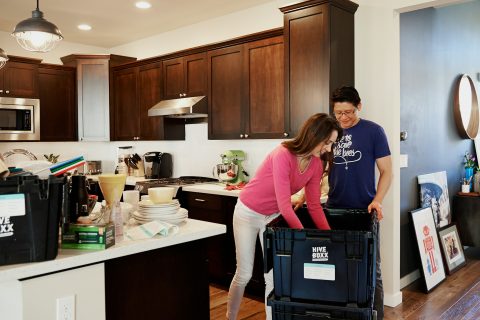
Reuse sturdy boxes from local stores. Use suitcases and bins for extra packing space. Label each box by room to make unpacking easier later! Invest in specialty boxes for fragile items like dishes or electronics.
Spread out costs by gathering supplies over time.
Pack and Label Your Belongings
Sort your items into groups before packing. Use color-coded labels for each room, like green for the kitchen or red for the bedroom. Write clear notes on boxes with markers, such as “Books” or “Pots and Pans.” Keep an inventory list to track all items during the move.
Pack fragile things carefully. Wrap them in clothing or linens to protect them. Mark these boxes as “Fragile” so handlers treat them gently. Take apart big furniture, like tables or beds, to save space; keep screws and small parts in labeled bags.
Seal every box tightly with tape to avoid damage during transport. Take photos of valuable items in case you need insurance later.
Prepare an Essentials Box
Pack an essentials box with items you’ll need for the first 24–48 hours. Include toiletries, snacks, phone chargers, and basic cookware. Add medications and important papers like IDs or contracts.
Toss in a change of clothes and cleaning supplies.
Use a clear container so it stands out from other boxes. Write down the contents on the outside so you can find things fast. If you have pets, include their food and supplies too.
Keep this box close during your move for easy access when you need it.
7. Handle Important Moving Tasks
Handle key tasks like updating your address, moving utilities, and organizing vital documents—these steps keep things smooth during the move.
Change Your Address
Update your address with the post office to set up mail forwarding. This helps you avoid missing important letters or packages. Notify banks, insurance providers, and employers about your new location.
Change your voter registration if needed, especially if moving across states in the United States. Update delivery information for subscriptions like magazines or online shopping services.
Tell friends and family where to find you, too!
Transfer Utilities and Services
Call your utility providers early. Arrange to transfer or disconnect electricity, water, gas, and internet for the moving date. Make sure new services start on your move-in day to avoid any gaps.
Compare local service providers for better rates or packages. Cancel any unused subscriptions so you don’t pay twice. Give final meter readings at your old address before leaving.
Keep all provider contacts handy in case issues come up when you arrive. Confirm everything works when you settle into your new home.
Update Important Documents
Update your driver’s license and vehicle registration soon after moving. Each state has its own deadlines, so don’t delay. Change your address on medical cards and identification too.
Let your employer know about the move. Update school or university records if needed. Make sure travel documents match your new address. Keep both paper and digital copies of updated files for safety!
Transfer Medical and School Records
Tell your doctor and dentist about the move. Request copies of your immunization records, prescriptions, and other medical files. Look for new doctors in your new city. Arrange for secure transfer of these documents to the new providers.
Schedule first visits early.
For kids, contact their school to get records like transcripts or certificates. Share this with their new school district quickly. Make sure all important papers are sent safely and kept confidential during the process.
8. Prepare for Moving Day
Double-check all your plans—this is the final stretch! Stay organized and keep everything you need close at hand.
Confirm Moving Arrangements
Check the date and time with your moving company. Make sure all contact details are correct. Look over your moving truck or storage bookings again. Confirm payment options, including tips for movers.
Give movers clear directions to your new home. Let them know about parking permits, elevators, or loading docks they can use. If plans change last minute, call them right away! Always keep a list of items being moved nearby.
Keep Important Documents Accessible
Keep passports, IDs, and leases in a safe spot. Store moving contracts, insurance papers, and emergency contacts nearby too.
Carry these documents with you during the move. Include them in your essentials box for quick access. Make digital copies as backups. Use labeled folders to stay organized. Have some cash or cards ready just in case of emergencies.
Protect Valuable and Fragile Items
Wrap fragile items in bubble wrap or soft padding. Use sturdy boxes to keep them safe. Write “fragile” on boxes with breakables so movers handle them carefully. Take photos of delicate items before packing for proof if they get damaged.
Carry very valuable things yourself, like jewelry or important documents. Avoid stacking heavy boxes on top of those labeled as fragile. Insure pricey belongings during the move for extra protection.
Complete a Final Home Check
Walk through every room in your home. Check closets, cabinets, and storage spaces to make sure you don’t leave anything behind. Look under furniture or in hidden spots for missed items. Dispose of all remaining trash before leaving.
Turn off lights, appliances, and the water supply. Secure all doors and windows. Take final meter readings for utilities like water, gas, or electricity and document them.
Leave the keys as planned with your landlord or the new owner to avoid issues later.
9. Settle Into Your New Home
Make your new place feel like home right away. Start unpacking key items to create a comfortable space fast.
Unpack the Essentials First
Start with the essentials box. Open it as soon as you arrive. Unpack toiletries, medications, and chargers first. These items will keep you comfortable right away. Also place important documents and valuables in a safe spot.
Next, set up the kitchen, bedroom, and bathroom. Assemble key furniture like your bed for rest after the move. Prepare a quick snack or meal if you’re hungry from traveling. This helps you stay energized while unpacking other rooms later!
Set Up Utilities and Services
Contact your utility providers before moving. Confirm activation dates for electricity, water, and gas. Arrange garbage and recycling collection too. If needed, schedule repairs or installations early.
Set up internet, cable, and phone service as soon as possible. Test appliances and fixtures in your new home to ensure they work properly. Update smart home devices if you use them.
Keep a list of local emergency numbers handy for quick access.
Locate Nearby Essential Services
Find the closest grocery store, pharmacy, and gas station. These are must-haves for daily needs. Check nearby ATMs too for easy access to cash.
Locate hospitals, clinics, and police stations for emergencies. Register with a new doctor before you need medical care. If you have kids, research schools or daycare centers close to home.
Learn Your New Neighborhood
Walk or drive around to spot restaurants, parks, and local hotspots. Try the area’s popular eateries or cafes and see what fits your taste. Attend community events like farmers’ markets or festivals to meet people nearby.
Introduce yourself to neighbors; they can share tips about the area.
Check social media pages for neighborhood updates. Follow news on rules, ordinances, and local happenings. Take note of traffic during busy hours, so you know what to expect later. Visit nearby attractions, like libraries or museums, to feel at home faster!
10. Adjust to Your New City
Take it slow—explore, meet people, and build your comfort zone step by step!
Give Yourself Time to Adapt
Adjusting to a new city takes time. You might feel homesick or overwhelmed at first, but that’s normal. Expect emotional ups and downs in the first weeks or months. Be patient with yourself as you settle in.
Build a daily routine to help things feel steady. Explore nearby spots like grocery stores, parks, or cafes. This helps you get familiar with your area and feel more comfortable over time. Focus on small steps instead of rushing everything at once!
Create a New Daily Routine
Set a morning schedule with activities you enjoy. Start your day with familiar habits like coffee or exercise. This helps you feel more comfortable in your new environment.
Plan time for exploring the city after work or on weekends. Visit local spots, try nearby restaurants, or walk around neighborhoods. Use planners or phone reminders to stay organized and stick to this routine daily.
Include moments for self-care too, like reading or relaxing at home.
Manage Homesickness
Stay close to loved ones through calls, video chats, or visits. Use social apps and other technology to make it easier to connect. Send surprise care packages filled with heartfelt items to keep bonds strong.
Join local groups that match your hobbies or interests. This helps you meet new friends and feel less alone. Share updates about your new city with old friends and family too. It keeps relationships alive while helping you adjust emotionally.
Explore Your New Surroundings
Walk around your neighborhood to find stores, cafes, and parks. Visit local spots like libraries or gyms to meet people and get a feel for the area.
Join clubs or volunteer groups in your city. This helps you build a social network while trying new activities.
Final Tips
Moving to a new city is exciting, but it takes planning. Research helps you get to know the area and avoid surprises. Setting a budget and sticking to your timeline makes everything smoother.
Packing smart and handling important tasks early saves time later. Adjusting to your surroundings might take time, so be patient with yourself. Take small steps daily to build a routine and feel at home faster!