Share
 Facebook
 Twitter
 LinkedIn
 Pinterest
 Email
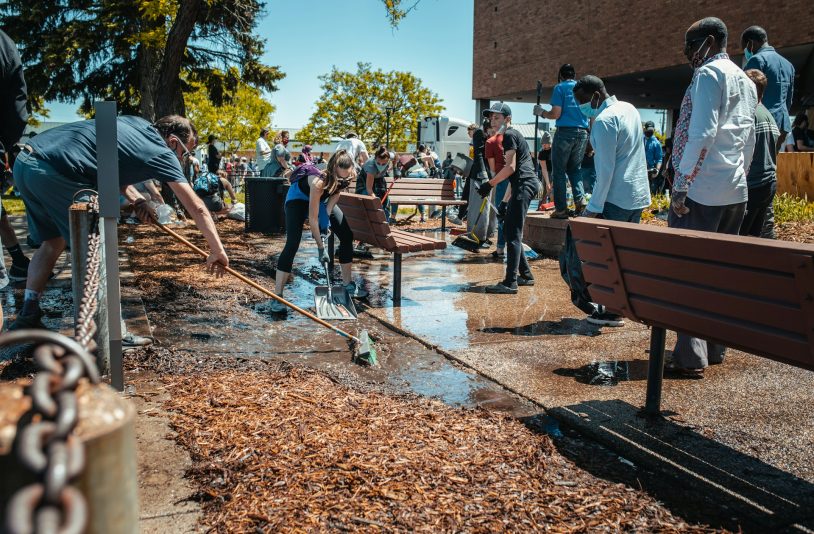
Community service is about giving back and building connections. It helps people learn, help others, and make a positive difference. Activities like cleaning parks or helping students bring people together, strengthen communities, and show that every good action counts.
In this post, we’ll look at what community service means, the different ways you can get involved, and why it’s important for personal growth and for society.
Jump to Section [Hide]
- What is Community Service?
- Core Principles of Community Service
- Common Types of Community Service
- Why Community Service Matters
- Benefits of Community Service
- Educational Role of Community Service
- Real-World Examples of Community Service Projects
- How to Get Involved in Community Service
- Choosing the Right Community Service Project
- Common Challenges and How to Overcome Them
What is Community Service?
Community service involves helping others and improving your community. It emphasizes teamwork, kindness, and collaborative problem-solving.
Definition and Overview
Community service is unpaid work that helps others. It focuses on improving the community you live in. You might clean a park, tutor kids, or serve meals at shelters. The goal is to give your time and effort for the greater good.
It’s unique because, unlike jobs, it doesn’t aim for personal gain. Some activities are court-ordered as community service for crimes, unlike volunteering or charity work. Often, people join out of goodwill or civic responsibility without expecting money, but they may get free meals instead.
How It Differs from Volunteering and Charity Work
Community service can be required. Schools, courts, or governments might mandate it. Volunteering, though, is always a choice. You give your time because you want to help.
Charity often involves giving money or donating items such as food or clothing. Community service focuses on actions and work that directly help others. For example, painting a school or cleaning up trash fits community service, not charity work.
Both aim to do good, but in different ways!
Core Principles of Community Service
Community service involves helping others without expecting pay. It focuses on teamwork and benefits the whole community.
Voluntary Participation
You choose to participate in community service voluntarily. It’s about helping because you want to, not because you are paid or told to. Some students in Washington State may be required to complete 200 hours of volunteer work for high school graduation, but this still reflects a willingness to give back.
Voluntary participation stems from good motives, such as kindness and civic engagement. You act out of care for others, not for rewards or to avoid fines. This differentiates it from court-mandated tasks given to offenders under probation or suspended sentences.
It’s your decision, guided by altruism and the desire to create positive change.
Non-Monetary Motivation
Non-monetary motivation drives people to help others without expecting financial compensation. It often comes from cultural values, kindness, or a desire to improve skills. Volunteering for groups like The Salvation Army or Operation Christmas Child shows how you can give back out of compassion.
Altruistic reasons inspire many. You may join service-learning programs or school projects because they align with your beliefs or interests. Sometimes, free meals and networking opportunities are small perks that improve the experience.
Emphasis on Collective Benefit
Community service focuses on helping the whole community. Activities like cleaning parks or rivers make public spaces better for everyone. These efforts create stronger bonds and improve shared environments.
Volunteering involves putting others first, not seeking personal gain or profit. This work builds empathy and connects people from different cultures and backgrounds. Stronger communities emerge when everyone works together towards a shared goal.
Common Types of Community Service
You can help in many ways through community service. Each option caters to different skills, interests, and goals.
School-Based and Educational Programs
Many schools include community service in their curriculum, and some U.S. high schools require it for graduation. This helps students learn responsibility and teamwork while giving back to the community.
Common activities include tutoring younger kids or cleaning school grounds.
Service learning connects volunteering to classroom lessons. By helping others, you can gain hands-on experience and enhance your problem-solving skills beyond the classroom. International Baccalaureate programs used to require 50 hours of service, showing their value in experiential education worldwide.
Faith-Based and Religious Initiatives
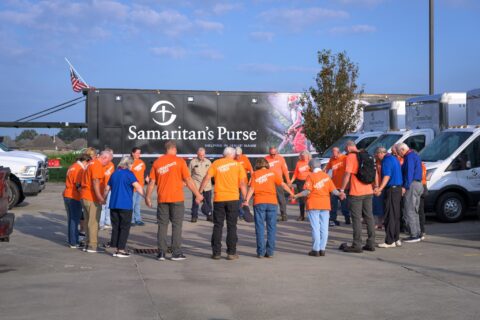
Faith-based groups often organize service projects to help others. Christian organizations like Samaritan’s Purse, founded in 1970, and Habitat for Humanity, founded in 1976, both focus on building homes, providing aid, and supporting people in crisis.
In Islam, Zakat is a required act of giving to help the poor, and sadaqah is a voluntary charity that is given with kindness. These actions show how religious teachings encourage helping others.
Volunteering through such programs also builds empathy and strengthens communities.
Court-Mandated Service
Court-mandated service is unpaid work assigned by a judge or court. It is an alternative to jail time or fines and helps offenders give back to society.
In the UK, it’s called “compulsory unpaid work” and can last up to 300 hours. For example, drunk-driving offenders may be required to clean parks or assist charities instead of serving jail time.
It focuses on rehabilitation and social responsibility.
Community Organization or Nonprofit Service
Helping through community organizations or nonprofits can make a real difference. Groups like Samaritan’s Purse support people in need, from disaster relief to food assistance.
These services often rely on volunteers like you who want to give back without expecting money.
Many large companies encourage this by offering volunteer grant programs. About 40% of Fortune 500 companies provide these incentives. You can build leadership skills, meet new people, and help drive real change through groups focused on collective benefits.
Why Community Service Matters
Community service connects you with those around you. It inspires positive action and shared goals.
Encourages Empathy and Compassion
Helping others changes how you see life. You’d better understand their needs, struggles, and thoughts. Volunteering at a food pantry or tutoring underprivileged kids can break stereotypes.
It teaches you to value diversity and respect cultural norms.
Acts of service build kindness in your heart. Listening to someone’s story, like a victim of a drunk driver, widens your view of the world. These moments push you to grow empathy while promoting wellness for everyone involved.
Promotes Social Responsibility and Civic Engagement
Through service work, you learn to care about your community. Actions like cleaning parks or tutoring students teach you to help others. These efforts solve problems and improve neighborhoods.
Getting involved builds leadership skills and encourages you to address real-world issues like hunger or educational gaps. By doing this, you grow as a person and strengthen your community.
Builds Stronger, More Connected Communities
Community service brings people together. It helps neighbors solve problems and support each other. Cleaning parks, tutoring students, or hosting book drives unite everyone for a common goal.
These shared efforts create trust and strong bonds.
You see teamwork grow through small acts of kindness. Helping at food pantries or organizing STEM workshops teaches valuable skills like cooperation. Communities feel safer and more caring when people work together to improve them.
Benefits of Community Service
Helping others can shape your skills and outlook and open doors to new opportunities, regardless of age or background.
Personal Growth and Skill Development
Community service teaches leadership, problem-solving, and critical thinking. It also builds patience and helps you better understand others.
Working with people from different cultures builds empathy. Learning about their lives breaks stereotypes, helps you grow personally, and improves teamwork skills.
Mental and Emotional Well-being
Helping others makes you feel good. Volunteering lowers stress and boosts happiness. It gives a sense of purpose and belonging.
Reflection tools like journals help too. Writing down your thoughts can connect service to personal growth. They keep the mind clear and focused on goals.
Networking and Career Exploration
Community service helps you meet new people. You can connect with teachers, local leaders, or nonprofit staff. These relationships might lead to job opportunities later. Volunteer work shows your teamwork and leadership skills.
You can add volunteer roles to your resume. Employers notice these if they match the job’s tasks. For example, tutoring kids could impress schools hiring teachers. These experiences also build confidence for interviews and future careers.
Boosting College and Job Applications
Community service makes your college and job applications more competitive. Many U.S. colleges unofficially expect it, especially for competitive programs. High school students in Palo Alto log approximately 45,000 service hours annually, highlighting its importance.
Hands-on volunteering helps demonstrate teamwork, leadership, and problem-solving skills. It also shows your commitment to social responsibility and civic engagement.
Employers and schools seek these traits in strong candidates.
Educational Role of Community Service
Community service helps you learn responsibility while making a difference. It also teaches real-world skills through hands-on experiences.
High School Graduation Requirements
Many U.S. high schools require students to complete community service to graduate. Some request a few hours, while others require more. For example, Washington State might need as many as 200 hours.
This focuses on experiential learning and promotes civic engagement. These activities let you give back while building essential life skills. Completing these tasks shows responsibility and can help you meet educational goals, such as IB diploma requirements in some cases.
Enhancing College Applications
Colleges love students who give back. Community service shows your dedication to helping others and building a stronger community. It highlights your social responsibility, which stands out during admissions reviews.
Palo Alto High School students frequently receive the President’s Volunteer Service Award for their outstanding efforts. This award looks great on applications. Community service also helps you build teamwork and problem-solving skills, qualities colleges value highly.
Service Learning as an Academic Tool
Service-learning connects community work to your schoolwork. It combines helping others with earning academic credit. For example, you might clean parks for a biology class or tutor kids as part of an education course.
You reflect on what you do to learn more and grow academically. This method builds critical thinking while creating real-world skills. Unlike regular volunteering, service-learning ties directly to classroom lessons and goals, making it student-centered and impactful.
Real-World Examples of Community Service Projects
You can participate in community service in various ways. These projects often bring people together to solve problems and support others.
Cleaning Parks, Rivers, or Neighborhoods
Picking up trash in parks helps animals and keeps the natural environment clean. Removing debris from rivers improves water quality for fish and plants. Recycling drives during these activities reduce landfill waste.
Planting trees or flowers adds beauty to neighborhoods. Organizing small groups makes cleaning quicker and fun. Helping your community builds pride; every little effort counts!
Volunteering in Animal Shelters or Food Pantries
Helping at animal shelters means caring for homeless pets. You can feed them, clean their spaces, or play with them to keep them happy. Many animals need love and attention while waiting for new homes.
Your time here makes a big difference in their lives.
Working at food pantries helps families who lack sufficient food. You might pack bags of groceries or sort donated goods, such as canned food or pasta. These places rely on people like you to serve meals and fight hunger in your community.
Hosting Fundraisers or Drives (Food, Blood, Clothing)
Organizing drives can bring people together. Food drives collect canned or boxed goods for families in need. Clothing drives provide coats, shoes, and other essential items to those in need.
Blood drives save lives by collecting donations for hospitals and patients. You can also host book or toy drives to support local schools or families.
Collaborate with organizations like Samaritan’s Purse or community centers to obtain supplies and recruit volunteers. Schools, sororities, fraternities, and faith-based organizations often join these efforts, too.
Hosting fundraisers alongside these events helps cover delivery costs and other necessary expenses. Simple steps make a big difference!
Providing Free Tutoring or Mentoring
Helping others learn can change lives. You can tutor peers in subjects like math, reading, or science. Organizing book drives for under-resourced schools also makes a big impact.
Hosting STEM workshops inspires young minds to explore technology and engineering. Your time and guidance build confidence in students struggling with schoolwork. This community service teaches compassion while expanding educational opportunities.
How to Get Involved in Community Service
Start small. Explore local opportunities or causes that interest you. Look for groups, schools, or online platforms that match your skills with community needs.
Finding Local Opportunities
Check with local schools, churches, or community centers. These places often have details about projects you can join.
Talk to neighbors or attend town meetings. Surveys and public discussions can help you determine what your area needs most. Look for service gaps, such as food banks that need help or parks that require cleaning.
Partnering with Organizations or Schools
Work with groups like Alpha Phi Omega to start service projects. They have experience in volunteerism and community efforts. These partnerships can guide you on how to make a real impact.
Schools offer service-learning programs tied to your studies. These programs teach skills while helping others. Partnering with schools also opens doors for cooperative education opportunities.
Virtual and Remote Volunteering Options
You can volunteer online from anywhere. Virtual options include tutoring students or mentoring someone who needs guidance.
You can contribute to digital campaigns for causes like Samaritan’s Purse. Many groups let you help plan events or manage social media remotely.
Choosing the Right Community Service Project
Pick a project that sparks your interest and matches what you’re good at. Focus on where your community needs help most.
Matching Projects to Interests and Strengths
Match your skills to the project’s needs. Focus on tasks you enjoy and excel in. For example, if you love teaching, offer tutoring or mentoring services. If you’re skilled at organizing, help plan fundraisers or events.
Consider what excites you the most. Projects that align with your passions keep you motivated. A great fit benefits others while boosting your confidence and abilities.
Identifying Urgent Local Needs
Find gaps in your community. Look for areas where help is needed, such as schools that lack tutors or parks that require cleaning. Talk to locals, attend town meetings, or check with local nonprofits.
Focus on long-term impact. Choose projects that solve problems and benefit many people over time. For example, starting a food drive can help feed families and establish a support system for future needs.
Planning for Long-Term Impact and Sustainability
Focus on projects that benefit your community for years to come. Select ideas that can evolve and remain relevant over time. For example, starting a garden or teaching job skills creates lasting benefits.
Collaborate with others to sustain your effort. Involve local groups, schools, or businesses to ensure support. This teamwork makes it easier for the project to continue and reach more people.
Aim for results everyone can enjoy long term!
Common Challenges and How to Overcome Them
Balancing service with life’s demands can be tricky. Stay organized and explore ways to make it work for you!
Balancing Time with Other Responsibilities
You need to manage your time well. Create a task list and rank it by importance. This way, you handle school or work while giving back through community service.
Focus on small steps each day. For example, join weekend projects if weekdays are too busy. Stay consistent without neglecting other responsibilities.
Lack of Resources or Support
Sometimes, community service lacks resources. You may struggle to find enough tools, funds, or people. This can slow progress and cause frustration. Partnering with local groups or schools helps ease this burden.
Use your community network for support. Ask businesses or organizations for donations or volunteers. Even small help makes a big difference in moving projects forward!
Staying Motivated and Making a Lasting Impact
Reflect on the good your service brings. Think of the smiles you create or problems you help solve. This can fuel your drive to keep going, even when it feels tough.
Stick with small steps for big impact. Focus on consistent efforts, such as mentoring or regular clean-ups. These actions build change over time and leave a mark on your community.
Final Thoughts
Community service makes a real difference. It helps others and strengthens your community. You gain skills, meet people, and grow as a person. Getting involved is simple and rewarding. Just find an opportunity that matches your strengths.
Start small, stay committed, and see the impact you can make!