Share
 Facebook
 Twitter
 LinkedIn
 Pinterest
 Email
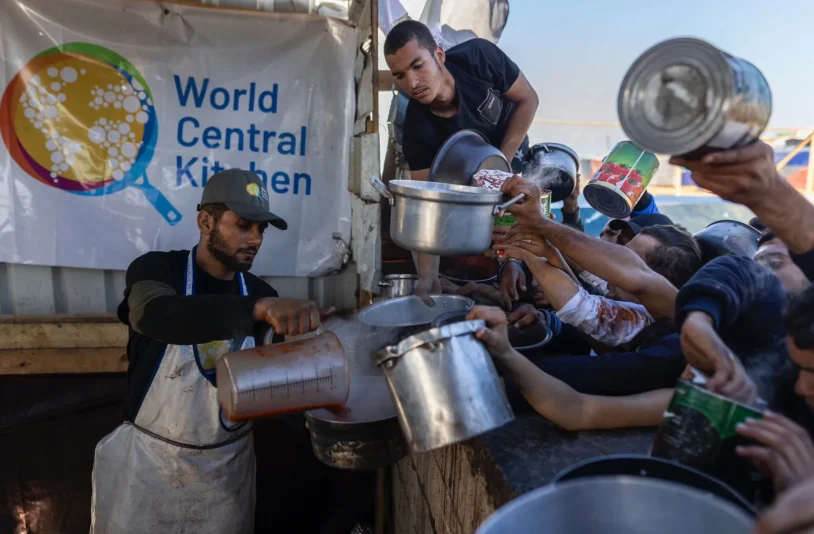
When disasters strike, getting food is impossible. People lose homes, kitchens, and stores. Hunger becomes a cruel reminder of the crisis.
This is where World Central Kitchen steps in. Founded by chef José Andrés, the organization delivers fresh meals to people in crisis. From hurricanes to wars, they act fast to feed those in need.
Let’s explore how kindness fills plates!
Jump to Section [Hide]
Mission and Approach
World Central Kitchen responds quickly during emergencies. They bring meals to those in need while supporting local communities.
Providing meals during crises
WCK delivers meals fast during disasters. In 2024, they served over 109 million meals worldwide. They helped in places like Gaza, Ukraine, Haiti, and the U.S., including over 43 million meals for Palestinians facing hunger in Gaza.
You see their care in small details too. During Ramadan, WCK shared 92,000 food boxes in Gaza, equaling about 4.7 million meals. Their work extends to migrants at the southern U.S. border and hospital workers during COVID-19.
Meals provide not just food but hope and dignity for people in need.
Supporting local communities and cooks
WCK works with local cooks and communities to prepare meals. They hire local staff and buy food from local suppliers. This helps people recover after a disaster.
The group sets up community kitchens, like in Gaza, where 68 kitchens serve over 170,000 hot meals daily. By using resources nearby, WCK turns locals into leaders during tough times.
This approach strengthens neighborhood ties while delivering food aid quickly.
Responding with dignity and urgency
WCK acts fast during crises. They treat everyone with respect, no matter the situation. They see food as a human right, not just a need. José Andrés says, “The solution has to be now.” This shows how urgent their work is.
They move quickly to deliver meals where others cannot reach in time. Their actions are like calling 911 for food relief. They make real-time decisions and adapt as conditions change.
The focus stays on helping people without getting stuck in slow systems.
How Emergency Response Works
Teams act fast to assess needs and find people in danger. Mobile kitchens pop up where they’re most needed, serving meals quickly and safely.
Assessing needs and reaching people
You first assess what people need. WCK acts fast in crises like hurricanes or wars. It uses real-time information to decide what areas need help most. For example, after the Buffalo shooting, they quickly stepped in to support affected families.
The team works closely with local groups and leaders. This helps them find the best way to reach those in need. Local cooks and food suppliers often join these efforts too. This helps deliver meals quickly and with care during tough times.
Setting up kitchens and meal distribution
Teams set up kitchens quickly in crisis zones. In Gaza, they established two main kitchens in Rafah and Deir al-Balah. They also supported 68 local community kitchens to increase reach.
These efforts served more than 170,000 hot meals every day in 2024.
They brought in food by sea shipment and airdrop, delivering hundreds of tons to northern areas. Kitchens worked closely with local suppliers and cooks for fresh ingredients. They quickly prepared meals to meet urgent needs while ensuring quality food for those affected by disasters like war or hunger crises.
Adapting to changing conditions
WCK works in tough and unpredictable places. During Ramadan in Gaza, it changed plans to distribute 92,000 food boxes. These provided about 4.7 million meals to people in need.
It also handles supply delays and conflict-related dangers well. Security troubles can pause or adjust operations, as seen in Gaza. WCK even influenced the U.S. decision to build a floating pier to deliver aid faster there.
Programs Beyond Disaster Relief
World Central Kitchen helps communities grow stronger with lasting food programs.
Building long-term food resilience
WCK helps communities become stronger by boosting local food systems. They work with nearby restaurants and suppliers to make lasting changes. This way, you support local economies while solving food insecurity.
Their model turns people into active participants in their recovery. It focuses on creating solutions that last beyond the crisis. By doing this, WCK ensures future challenges are easier to handle.
Strengthening local food systems
You support local farmers and food providers by sourcing food nearby. This boosts regional economies while cutting down long shipping times. World Central Kitchen prioritizes this approach in its crisis response.
Using local resources helps communities recover faster after disasters.
Local cooks and chefs also play a major role. They prepare meals with fresh ingredients from their area, strengthening community ties. These actions leave lasting benefits for food systems even when emergencies end.
This helps sustain jobs and improve access to fresh, healthy meals.
Supporting communities between crises
WCK helps communities stay strong between disasters. It boosts local food production and emergency response efforts. Local staff and volunteers learn skills that outlast the crisis, making future responses faster and more effective.
The nonprofit works with farmers, cooks, and suppliers to improve food systems. These steps make sure people can access meals even during tough times. This approach gives hope long after first aid ends.
Partnerships and Local Leadership
Strong partnerships drive success in tough times. Local leaders and businesses make efforts more impactful.
Working with local restaurants and suppliers
WCK teams up with local restaurants and food suppliers in crisis areas. This helps them get meals out fast while keeping things fresh and nearby. These partnerships also support small businesses during tough times.
Local cooks, farms, and suppliers play a key role. They provide ingredients or prepare meals directly, boosting the community’s economy. It’s a smart way to fight hunger and strengthen food systems at once.
Coordinating with aid organizations
Aid groups like the UN face big hurdles in Gaza. They struggle with slow supply chains and ongoing conflict. World Central Kitchen (WCK) steps in to help. WCK works closely with these organizations to act fast.
This teamwork helps food reach people quickly.
Coordination led to sea deliveries that influenced U.S. actions, such as building a floating pier to improve access. Partners like local suppliers and restaurants also play key roles. Together, they strengthen efforts during tough times, ensuring meals reach those who need them most.
Creating opportunities for community volunteers
You can help with meal preparation or delivery through WCK. Volunteering brings hope to people during tough times.
Over 68 community kitchens in Gaza work thanks to local volunteers. You play a big role in serving meals quickly and efficiently. Your efforts strengthen bonds and build trust within the community.
Impact and Recovery
Meals bring comfort and strength during tough times. Each plate helps rebuild lives and sparks hope.
Meals delivered and communities reached
In 2024, WCK brought hope to people in need. Over 121 million meals reached disaster-hit areas worldwide. You saw efforts in places like Gaza, Ukraine, Lebanon, and Haiti. In Gaza, WCK delivered more than 43 million meals and 92,000 food boxes during Ramadan.
WCK impacted lives across over a dozen countries and many U.S. states. From hot meals to food boxes, they worked fast to keep communities fed. Their global support has provided over 400 million meals since starting this life-changing mission.
Stories of hope and rebuilding
You see hope in every meal WCK delivers. After disasters, people don’t just need food; they need kindness and dignity. In Gaza, WCK worked with Cyprus and U.S. aid teams to help affected families start again.
These meals mean more than nutrition—they show people they are not forgotten.
Local cooks often share their own strength while helping others rebuild too. A small restaurant owner might use WCK’s support to feed hundreds daily, all while keeping their own business alive.
This creates a ripple of hope across the entire community, turning pain into progress step by step.
Measuring lasting community benefits
WCK checks how its efforts help communities over the long term. They look at changes in local food systems and community resilience. They also help people prepare for future crises.
The group works closely with locals to strengthen recovery. You see it in better access to food, stronger kitchens, and towns better prepared. This focus ensures benefits that last even after the crisis ends.
Challenges and Lessons
Reaching people in need can be tough, but each challenge teaches ways to help better.
Reaching people in difficult conditions
Helping people in crisis isn’t easy. In places like Ukraine, Gaza, or during hurricanes, danger and chaos slow things down. World Central Kitchen (WCK) moves fast while keeping safety first.
Even when others can’t act quickly, they find ways to deliver meals.
In Gaza, the ongoing conflict makes aid delivery dangerous. Security risks have taken lives, including seven WCK workers. Despite this loss, WCK still finds routes and methods to reach those in need with food and hope.
They aim to act quickly, without waiting for permission or bureaucracy.
Managing supply and safety risks
Supply chain issues can cause delays. Deliveries may need air or sea transport, especially in tough areas. For example, security risks forced 240 tons of aid to return from Gaza. This halted work and slowed efforts.
Active conflict zones add danger for workers and supplies. Attacks may stop operations completely. WCK faced this in Gaza when safety became too risky. Quick planning helps balance these challenges during disasters.
Improving future responses
WCK learns from each crisis to respond better next time. The “listen to the disaster” approach, as José Andrés puts it, helps adjust quickly. After each mission, they study what worked and what didn’t.
Their flexible strategy matches each unique situation. This method sharpens their efforts during humanitarian aid missions. Continuous improvements help them reach more people faster with meals in future emergencies.
Final Thoughts
World Central Kitchen gives hope with every meal. They act fast during disasters and support local communities. You see their impact in stories of people rebuilding stronger. Their work shows that kindness can make a big difference, even in the hardest times.
You can help bring change too!