Share
 Facebook
 Twitter
 LinkedIn
 Pinterest
 Email
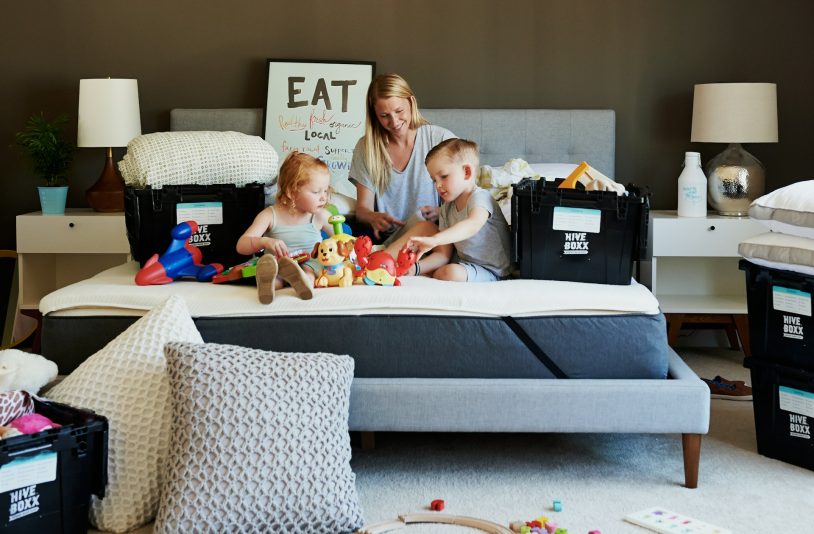
Moving to a new home can be both exciting and difficult for children. Leaving behind familiar rooms, routines, and friends can make them feel anxious or uncomfortable. Even when a move is expected, kids may still need time to adjust.
With some preparation, your family can feel more at ease. Talking about the move, making moving day smoother, and helping everyone settle in are all ways to support your children and help them feel involved.
Here are practical ways to move with children while helping them feel included and supported.
Jump to Section [Hide]
1. Talk About the Move Early
Share the news as soon as possible. Give your kids time to process and ask questions.
Explain why and when you’re moving
Moves may happen for job opportunities, to support family, or to start fresh. Sometimes you relocate to be near loved ones or due to a new marriage. These reasons show the court your move has a real purpose and benefits.
In Georgia, you must give 30 days’ written notice before moving. Include your new address if known. This gives the other parent time to prepare and respond. Always check your parenting plan or custody order for relocation rules.
Share what children can expect
Children need to know what life will look like after the move. Tell them about their new bedroom, nearby parks, and local schools. Show pictures or videos of the new house and neighborhood.
If you can visit before moving day, take your children there so they feel more comfortable.
Explain any changes to routines, such as school districts or play schedules. Let them know how they’ll stay in touch with old friends and make new ones. Share plans for holidays, breaks, or summers if a custody agreement changes because of a long-distance relocation.
These details help ease worries and create realistic expectations.
Leave time for questions
Explain the move in honest, age-appropriate terms. Kids may ask how they’ll stay in touch with friends or what will change after the move. Answer clearly, using examples like FaceTime calls or visits to ease worries.
Set aside time for their questions during family talks. This helps them feel heard and lets you address concerns about parenting plans, new routines, or connecting with a non-custodial parent.
2. Make Space for Their Feelings
Kids may feel many emotions during a move—happy, sad, or worried. Let them know it’s okay to feel all these things and talk about them.
Invite concerns and listen without judgment
Ask your children how they feel about the move. Let them share worries without fear of judgment. Children might feel sad or scared about leaving friends and routines behind. Show that their feelings matter by listening calmly.
Acknowledge all emotions, even excitement or uncertainty. Open communication helps build trust and supports emotional well-being. Keep reassuring them you are there to listen anytime they want to talk more.
Acknowledge excitement, sadness, and uncertainty
Talk about all feelings, not just the happy ones. Your child might feel excited for a new room but sad to leave friends. They may also feel scared or unsure about what’s ahead. Let them know it’s okay to feel all these things.
Listen when they share their thoughts. Don’t judge or dismiss their worries. Say things like, “I understand why you’re feeling this way.” This helps your child feel safe talking to you.
Plan how they can stay in touch with old friends through calls or visits if possible.
Plan ways to stay connected with friends
Set up regular video chats or phone calls. Platforms like FaceTime and Zoom make it easy to stay in touch after the move. You can also help schedule virtual game nights or study sessions with their friends.
Plan visits during school breaks or holidays. If possible, arrange travel so they can see friends face-to-face. This effort helps maintain friendships, which is key for emotional health and better school performance.
Courts may also include rules for virtual communication in custody plans to ensure steady connections.
3. Involve Children in Age-Appropriate Ways
Let your kids help in ways they can manage—it makes them feel important and included!
Let them sort or choose belongings
Let kids sort their items to pack. This helps them feel in control and process the move. Give simple choices, like which toys or clothes to take. Allow them to pick a favorite stuffed animal or book for comfort.
Encourage them to take photos of special places nearby before leaving. Sorting things together can spark good conversations about the change. Pack their favorite items last so their room feels normal until moving day.
Give them simple moving tasks
Children feel better when they help. Assign easy tasks like labeling boxes or packing small items. Ask them to organize toys, books, or clothes. This keeps them busy and gives a sense of responsibility.
For younger kids, make it fun by turning tasks into games. Older children can sort belongings or create a checklist to track progress. Even helping pack a “first-night essentials box” makes them feel included in the process.
These actions build confidence and ease moving day stress.
Ask how they’d like to arrange their room
Let them decide how they want their room to look. Ask about colors, decorations, or where they’d like the bed and other furniture.
Allowing this choice gives them control during a big change. This can make them feel comfortable and excited about the move. It also helps them feel at home faster.
4. Plan the Move Together
Work as a team to handle the move. Include your child—it makes the process smoother and less stressful for everyone.
Create a child-friendly moving timeline
Mark key dates like moving day and the first day at a new school on a big calendar. Add packing days, farewell events, and other important moments. Let your child help decorate it with stickers or colors to make it fun.
Use visual aids like countdown charts. Family meetings can help explain the timeline step by step, making everything clear for kids. If co-parenting, follow legal rules like giving 30 days’ notice before moving.
Keep the schedule easy to understand, and discuss changes together if needed.
Pack a first-night essentials box
Keep a first-night essentials box ready. This helps children feel comfortable in the new home right away. Pack items like favorite stuffed toys, clothes, toiletries, snacks, and school records.
Let kids pick some items themselves to keep them happy and involved.
Store this box where you can easily find it during the move. Having their familiar belongings close will help keep routines steady for bedtime or meals. It also reduces stress by meeting immediate needs like comfort and care after a long day of moving.
Make a moving-day checklist
List key tasks for the big day. Confirm your moving schedule and pack meals or snacks ahead of time. Gather comfort items for the kids, like favorite toys or blankets. Plan to keep regular routines as much as possible.
Add tasks for everyone in the family, including children. Younger kids can help pack simple things, while older ones can carry lighter boxes. Assign someone to review the checklist with everyone before moving day.
5. Keep Moving Day Predictable
Explain the moving day plan clearly. Stick to a simple routine to ease your kids’ stress.
Explain the day’s schedule
Start the day by explaining each step. Let them know when movers will arrive, what time you’ll leave the old house, and when you’ll reach the new one. Share who will be there, like family or a babysitter.
Make a simple checklist they can see. Add snack breaks and keep comfort items nearby. Stick to meal times and bedtime routines as much as possible. Tell them when they can unpack their favorite toys first to feel more at home quickly.
Keep snacks and comfort items nearby
Pack snacks your kids enjoy, like crackers or fruit. Keep them easy to reach. This helps avoid hunger and keeps spirits up on a busy day. Make sure water bottles are handy too. Staying hydrated makes everyone feel better.
Bring comfort items like their favorite toy, blanket, or book. These familiar things can help ease anxiety during the move. Include these in their essentials box for quick access whenever they need it!
Arrange support from a trusted adult if needed
Ask a trusted friend, family member, or babysitter to help during the move. They can keep younger kids safe and entertained while you manage tasks.
This extra support helps keep routines steady, like meals and naps. A familiar adult can also comfort children if they feel scared or uneasy about the change.
6. Settle Into the New Home
Make the new house feel cozy—start with familiar items and create a sense of home.
Unpack familiar items and bedrooms first
Start with your children’s bedroom. Set up their beds, blankets, and pillows right away. This helps them feel safe and relaxed in the new home. Place favorite toys or books where they can see and reach them.
Unpacking familiar items early makes a big difference. Seeing their things gives kids comfort during this change. Let them help arrange their room if they want; it can make the space feel like theirs faster!
Maintain regular meals and bedtime
Stick to regular mealtimes and bedtimes after the move. Consistent routines help children feel safe and secure in a new place. Eating meals at the same time every day calms nerves during big changes.
Sleep schedules matter just as much and support their mental and physical health.
Pack familiar foods for the first nights in your new home. This provides comfort when everything else feels strange. Use dinner as a moment to talk about feelings or share stories from the day.
A steady bedtime routine reduces stress and helps them adjust faster to their new surroundings.
Explore the neighborhood together
Walk around the new area with your kids. Visit parks, playgrounds, and nearby schools. Show them where they might meet other children or play after school.
Check out the library or a local community center. This helps them feel connected to their new home. Early trips can ease homesickness and spark excitement for something fun nearby.
Family walks also help them feel comfortable in their surroundings quickly.
7. Support Their Adjustment
Check how they’re settling in—ask simple questions about school or friends. Help them feel at ease by creating chances to meet people nearby.
Check in about how they’re feeling
Ask how your child feels during meals or bedtime. Use open-ended questions, like “What’s on your mind?” Listen closely without interrupting.
Talk about their worries, excitement, or sadness. Let them know all feelings are okay. If they seem upset, watch for signs like trouble sleeping or acting withdrawn. Offer support and adjust routines if needed.
Help them connect with classmates and neighbors
Visit school orientations or community events together. These are great chances for your child to meet classmates and neighbors. Set up playdates with new friends or join local clubs, sports, or after-school programs.
This helps build friendships and creates a sense of belonging.
Encourage them to attend neighborhood gatherings. When possible, introduce your child and yourself to nearby families. Help them join group activities where they can feel included quickly.
Staying socially active builds confidence and supports happiness as they adjust to the move.
Seek extra support if difficulties persist
If your child struggles after the move, get help early. School counselors or therapists can offer guidance. Support groups may also help them feel less alone.
Watch for signs like trouble at school or avoiding friends. Anxiety or sadness that lasts too long needs attention. Reaching out to professionals can prevent bigger problems later on.
Don’t hesitate to ask for resources if you see these issues.
The Bottom Line
Moving with children takes planning and patience. Talk to them early, listen to their feelings, and involve them in small decisions. Stick to routines to help them feel safe. Focus on creating a positive start in the new home.