Share
Share Facebook
  Twitter
  LinkedIn
  Pinterest
  Email
Email 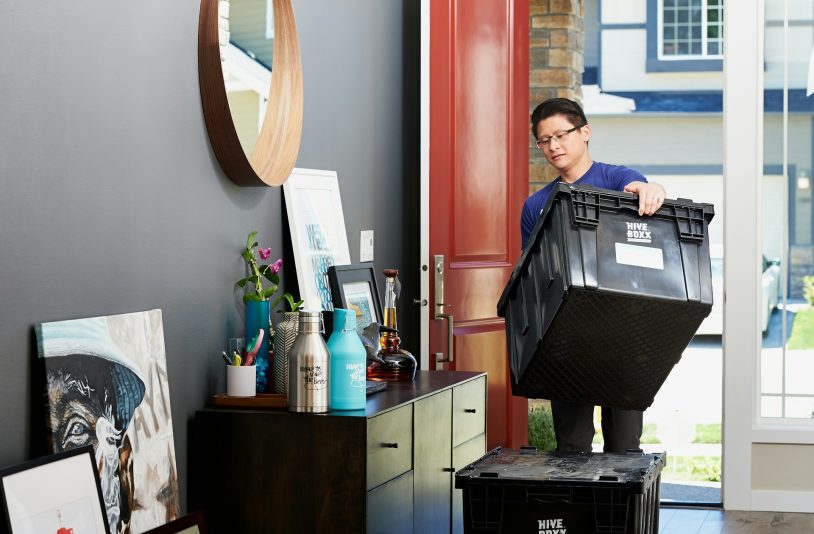
Moving out is really exciting, but it can also feel a bit overwhelming. With packing boxes, changing your address, and making sure you don’t forget anything important, there’s a lot to remember.
Whether you’re moving into your first apartment, going to college, or relocating, having the right things with you makes a big difference. We created this simple guide to help you know exactly what you’ll need, from packing supplies and cleaning tools to kitchen basics and that important first night box.
So grab a pen or bookmark this list, and let’s make your move much easier!
Jump to Section [Hide]
Plan and Prep Before the Move
Start early to stay ahead, good planning makes moving easier. Focus on organizing, setting goals, and getting things done step by step.
1. Make a moving-out checklist
Create a moving-out checklist to stay organized. Include packing supplies like boxes, bubble wrap, and packing tape. List weekly tasks, such as notifying landlords or property managers and confirming your lease details.
Add an inventory of items you’ll move.
Don’t forget the final steps before leaving. Check all rooms for anything left behind. Turn off utilities, lock windows and doors, and dispose of trash properly. Keep this list digital or printed so nothing gets missed!
2. Set a budget for your move
Plan how much money you can spend on your move. List all costs, like rent, moving supplies, a moving company, or renting a truck. Supplies alone may cost $200–$300 for small moves.
Add extra services if you use professional movers and get quotes from different companies.
Think about furnishing costs too. Basic apartment items can be expensive, so split with roommates if possible. Estimate total expenses based on distance and amount of stuff to move; this could range from $300 to $1,500 just to settle in your new place.
Use tools like a box calculator to avoid overspending on packing materials!
3. Notify landlord or property manager
Tell your landlord or property manager you’re moving out. Do this 30 to 90 days before your move, depending on your lease rules. Some states have strict timelines for notice, so check your rental agreement.
Give them a written notice with the date you plan to leave and your new address. This helps with final bills and returning your security deposit. Confirm parking or truck access is ready at the property on moving day to avoid problems.
Return all keys when you’re done moving out to close things smoothly.
4. Schedule your moving day in advance
Pick a moving day at least two months early. This helps you book movers at the best price and ensures availability, especially during May to September. That time is busy since it’s peak moving season.
Take the day off work if needed. Avoid scheduling other activities that could interfere. If you have kids or pets, arrange for care on that day to keep things stress-free.
5. Set up or transfer utilities at your new place
Call utility companies ahead of time. Set up or transfer services like gas, water, and electricity before moving in. Check which utilities your landlord covers.
Schedule the internet installation early to avoid delays. Take final meter readings at your old place and ensure all utilities are off before leaving. Confirm appointments with providers for a seamless move-in day.
6. Change your address (postal, banks, subscriptions)
Update your address with USPS early. They provide free mail forwarding for a year. Notify your bank, credit card companies, and utility providers about the change, too. Don’t forget to adjust it on subscriptions like streaming services or magazines.
Contact the DMV if moving to another state to update your driver’s license and vehicle registration. Inform voter registration offices, Social Security Administration, schools, and medical providers as well.
Let friends, family, and your employer know where to reach you next.
Decluttering and Downsizing
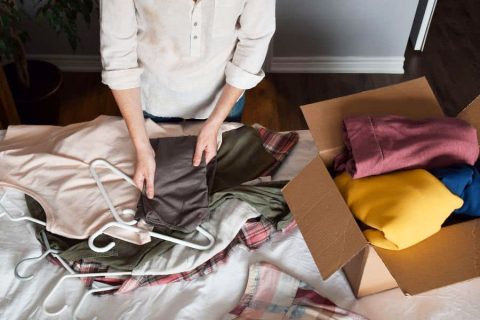
Clear out what you don’t use or need. It makes packing easier and less stressful. Keep things neat by sorting items into groups before the big move.
7. Sort and purge unnecessary items
Start sorting your things at least eight weeks before moving. Tackle one or two rooms each week to stay on track. Use three piles: keep, give away, and recycle or trash. Follow the “one-year rule”: If you haven’t used it in a year, consider letting it go.
Sell big furniture if it’s not worth moving. This lowers your load and saves money. Donate clothes you don’t wear or items you won’t need anymore. Decluttering early helps you figure out how many boxes you’ll need for packing later on.
8. Donate, sell, or recycle what you don’t need
Sell furniture or items you no longer want on Facebook Marketplace. This can help you earn extra cash while lightening your load. Donate clothes, books, and other usable goods to local charities or thrift shops.
Recycle broken electronics, old papers, or unusable items at proper centers. Letting go of bulky furniture that isn’t worth moving saves money on moving costs. This is a chance to declutter before starting fresh in your new place!
9. Organize what you’re keeping by room or category
Sort items by the room they belong to or their type. Group all kitchen basics like pots, pans, and utensils together. Keep bedroom essentials such as bedding, pillows, and mattresses in one pile.
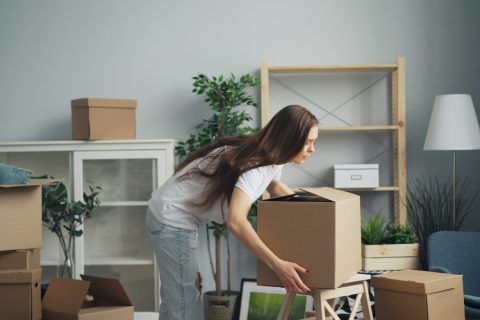
Label each box with its contents and the room it will go into. Use apps to track what’s packed if needed. This helps during unpacking and saves time later. Start early to avoid feeling rushed!
Must-Have Moving Supplies
You’ll need sturdy boxes, strong tape, and the right tools to protect your stuff. Get ready with these essentials!
10. Cardboard boxes or reusable bins
Choose sturdy cardboard boxes or eco-friendly reusable bins for packing. StackMoves offers stackable moving bins, delivered to your door, making them easy and stress-free. These rental boxes are durable, cost-effective, and reduce waste after unpacking.
Buy cardboard boxes at places like Home Depot or Walmart. You can also get free ones from grocery stores. Use an online moving box calculator to figure out how many you need. Standard bin sizes are 27″x17″ on top and 13″ tall, giving plenty of room for all your stuff!
11. Packing tape, labels, and markers
Good packing tape keeps your boxes secure. Use strong, quality tape to seal the tops and bottoms of all boxes. Find options at stores like Walmart, Amazon, or Target.
Labels and markers help you stay organized. Mark each box on two sides and the top with a permanent marker. Write the contents clearly and add the room name where it belongs. Use colors for different rooms, like blue for the bedroom or green for the kitchen.
Numbering your boxes can also make unpacking easier.
12. Bubble wrap, packing paper, or towels
Use bubble wrap to keep fragile items safe. Wrap glasses, plates, and decorations before packing them in boxes. Bubble wrap is easy to find at stores like Walmart or home improvement shops.
Packing paper can also help cushion delicate belongings. Use it for dishes, vases, or small electronics. Towels work well for protecting larger furniture during the move. They soften bumps and prevent scratches on wood or glass surfaces.
13. Ziploc bags for small parts or screws
Keep screws, hardware, and small parts in Ziploc bags during your move. These bags prevent the loss of essential items while packing or unpacking.
Label each bag with a marker. Match it to its item for easy assembly later. You can also use these bags for liquids or toiletries to stop leaks inside moving boxes.
14. Scissors, box cutter, and stretch wrap
Scissors and box cutters help open boxes and packages fast. Use them to break down empty boxes for recycling or storage. Keep a utility knife handy during the move, as it’s excellent for tough tape or stubborn packaging.
Stretch wrap secures furniture, cushions, and drawers during transport. It protects items from scratches, dust, and shifting inside the moving truck. Wrap dressers or cabinets tightly to keep drawers closed without sticky tape marks.
Day-of-Move Essentials Bag (Keep This With You)
Pack a small bag with items you’ll need right away, stay prepared, and stress less!
15. Essential documents (ID, lease, insurance, bank info)
Keep your important documents with you on moving day. Do not pack them in the main load. Items like your ID, lease agreement, bank details, and insurance papers are crucial. These may be needed for new utility setups or emergencies.
Take photos of these documents as a backup. This protects you if they get misplaced or damaged during the move. Make an inventory list to track everything, including these papers, for better organization and insurance purposes.
16. Phone, chargers, power bank
Keep your phone with you on moving day. You might need it to call movers or check directions. Pack the charger in your essentials bag so it’s easy to find later.
A power bank can save you if your phone dies. Moving takes time, and outlets may not be free right away. Charge all devices before leaving for peace of mind.
17. Snacks, bottled water, and medication
Pack easy snacks like granola bars or nuts to stay energized. Keep bottled water handy to avoid dehydration during the move. Moving can be exhausting, and these will help you power through.
Carry any medication you might need in your essentials bag. This ensures quick access instead of digging through packed boxes. Have extra food and drinks ready if friends or movers are helping you out!
18. Toiletries (toothbrush, toilet paper, hand sanitizer)
Toothbrush, toilet paper, and hand sanitizer are must-haves for your essentials bag. These help you stay fresh on moving day. Pack travel-sized toothpaste or soap too if needed.
Keep hygiene items within reach at all times. Hand sanitizer is vital when unpacking or handling things in dusty spaces. A roll of toilet paper ensures you’re covered for any quick bathroom needs before settling in fully.
19. Change of clothes and a basic first-aid kit
Pack a fresh outfit and pajamas in your essentials bag. Moving can get messy. Clean clothes help you feel comfortable after unpacking. Have towels ready, too, especially for your first night.
A basic first-aid kit is vital. Include bandages, ointment, an ice pack, a thermometer, cold medicine, ibuprofen, tweezers, and hydrogen peroxide. Accidents happen during moves; these supplies keep you prepared.
First Night Survival Kit
Pack an essentials kit for your first night. It saves stress and keeps you comfortable.
20. Bedding and pillow
Bring a mattress or an air mattress for your first night. Add sheets, pillows, and a blanket to stay cozy. Choose soft bedding for comfort after a long day of moving.
Make sure the mattress is ready as soon as you arrive. You’ll want rest without unpacking everything first. These basics will help you settle in quickly!
21. Towels and shower essentials
Pack towels for every need. Have a bath towel, a hand towel, and a face cloth ready. These are key for showering and drying off on your first night. Towels can also help with extra spills or padding during the move.
Include shower basics such as soap, shampoo, and conditioner, if needed. Don’t forget a sturdy bath mat to keep the floor dry. These items make settling into your new bathroom easier right away.
22. Comfortable clothes and pajamas
Moving can be tiring. Comfortable clothes and pajamas help you relax after a long day. Pack soft T-shirts, loose pants, or leggings for lounging in your new home. A cozy pajama set supports good sleep that first night.
Your survival kit must include these items. After unpacking boxes or setting up rooms, you will want to change into something comfy. Add socks or slippers too if the floors are cold!
23. Flashlight or small lamp
A flashlight or small lamp helps you see in your new home if the lights are not ready yet. This can happen, especially on the first night. Keep spare batteries handy so your devices stay useful.
Having portable light makes unpacking easier in dim spaces like closets and corners. It also keeps you safe from tripping over boxes or furniture when moving around at night.
24. Basic kitchenware (plate, utensils, mug)
Pack one plate, a set of utensils, and a sturdy mug. These are must-haves for your first meal in your new home.
Bring coffee or tea supplies for the morning. Snacks will also help while unpacking. Keep these items handy to avoid digging through boxes later.
Bedroom Must-Haves
Your bedroom should feel cozy and practical. Pick essentials that make it both relaxing and functional!
25. Mattress or air mattress
A mattress is essential for your new bedroom. Set it up as soon as possible, along with the bed frame and box spring. This helps you settle in quickly after a long day of moving.
An air mattress works well if your mattress delivery is delayed. It’s simple to inflate and provides a place to sleep right away. Make sure you have sheets and blankets handy for either option to stay comfortable on your first night.
26. Sheets, pillows, and blankets
Bring sheets, pillows, and one blanket for your first night. You may feel tired after moving all day, so make sure you have these ready fast. Having at least two sets of bedding helps for laundry days or unexpected messes.
Choose soft fabrics that are easy to wash. Pillows should support your neck well. A cozy blanket keeps you comfortable in any weather. These basics turn a bare space into a warm place to rest quickly.
27. Curtains or temporary window coverings
Curtains or temporary window coverings are a must for your first night. They give you privacy and help block out light. Install them before moving in to avoid feeling exposed.
They also improve sleep quality by keeping your room dark at night. Use affordable options like tension rods or stick-on blinds if buying curtains right away isn’t possible.
28. Basic furniture (bed frame, dresser, nightstand)
Get a bed frame and box spring as soon as you move in. This keeps your mattress off the floor and gives stability. If you don’t have one, check local stores or online listings for budget options.
Bring a dresser to store clothes neatly. A nightstand helps hold essentials like lamps, phones, or books within arm’s reach at night. These basic pieces make your bedroom functional and organized right away.
29. Laundry basket or hamper
A laundry basket or hamper keeps dirty clothes off the floor. It helps you stay organized and makes your bedroom look neat. Choose one that fits your space, like a collapsible basket for small rooms.
Use it to sort clothes before washing. This saves time on laundry day. A sturdy hamper is also easier to carry when moving loads of clothes. Simple tools like this bring order to your new home!
Kitchen Basics for a Fresh Start
Start building your kitchen setup with the tools and essentials you need to make cooking easy. Your first meal in a new place feels special!
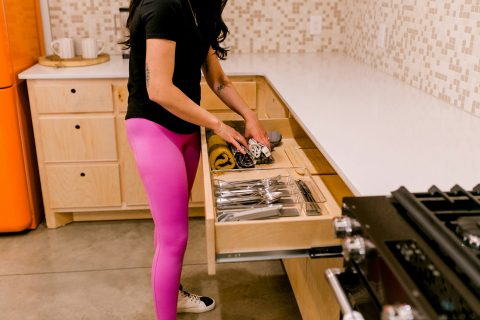
30. Pots, pans, and cooking utensils
You need at least two pots and pans for cooking. Choose a medium-sized pot and a large skillet. These work for most meals.
Get a spatula, a whisk, tongs, and a mixing spoon, too. They help with stirring, flipping, and serving food.
31. Plates, bowls, cups, and cutlery
Pack at least two plates, two bowls, and two cups. Get matching sets of cutlery, such as forks, knives, and spoons. This covers you for meals right after moving in.
Choose items that are sturdy but affordable. Avoid fancy or breakable pieces for now. Basic kitchenware is key to settling into your first apartment smoothly.
32. Dish soap, sponge, drying rack
Dish soap is a must for cleaning plates, cups, and silverware. It works well on greasy pans, too. Pair it with a sponge to scrub away stuck food bits. A drying rack keeps your dishes neat as they air dry after washing.
Include dish towels for wiping hands or drying items faster.
A good setup saves time in your new kitchen. Pick a sturdy drying rack that fits your counter space. Stock up on sponges regularly because old ones collect germs fast. Keep plenty of dish soap handy; smaller bottles work great if you’re tight on storage space!
33. Trash can and trash bags
Get a sturdy trash can for your kitchen. Pick one that fits the space and has a lid to control odors. Bring plenty of trash bags, too, as you’ll need them from day one.
Having extra bags helps with sorting recyclables or handling unexpected messes. Proper waste management keeps your kitchen clean and organized.
34. Coffee maker, toaster, or microwave
A coffee maker helps you start your mornings right. Brew fresh coffee or make tea with a tea kettle for quick energy boosts. They’re easy to use and don’t take up much space in the kitchen.
Toasters and microwaves are great for fast meals. Warm leftovers or toast in minutes, hassle-free. Choose compact models if your kitchen is small to save room for other essentials.
35. Food staples (salt, oil, pasta, canned goods)
Stock your kitchen with basics like salt, oil, pasta, and canned goods. These items last a long time and are perfect for quick meals.
Pack only sealed and non-perishable food when moving out. Opened items can spill or spoil during the move. Canned beans, rice, or tomato sauce make it easy to cook without extra shopping right away!
Bathroom Essentials
The bathroom is where you’ll need comfort and basics for daily routines. Stock it with items to keep things clean and ready for use.
36. Shower curtain and hooks
Pick a shower curtain and hooks before your move. They keep water inside the tub or shower, avoiding messy spills. Without them, the bathroom may become slippery and unsafe.
Get sturdy hooks to hold the curtain in place. A bath mat helps, too. It stops slips and protects your floor from water damage. These small items make your new bathroom work right away!
37. Towels (bath, hand, face)
Bring at least two sets of bath, hand, and face towels. You’ll need them right away for your showers and daily routines. Clean towels make settling in easier after a long moving day.
Keep extras handy for guests or laundry delays. Choose soft and quick-drying fabrics to save time and space.
38. Toilet paper and soap
Toilet paper and hand soap are must-haves for your first night. You will need them as soon as you arrive. Always pack enough for the first week to stay prepared.
Avoid last-minute trips by keeping them ready in your essentials bag. Choose a couple of rolls and a small bottle of soap to make settling easier.
39. Plunger, toilet brush, and bath mat
A plunger and toilet brush are must-haves for your new bathroom. They keep things clean and working smoothly. A clogged toilet can happen anytime, so a sturdy plunger is key. The toilet brush helps scrub away stains and keeps the bowl fresh.
A bath mat adds safety and comfort. It prevents slips on wet floors and absorbs extra water after showers. Pick one that dries quickly to avoid mold buildup. These simple items make a big difference in cleanliness and safety at home!
40. Personal care items (shampoo, toothbrush, razors)
Pack your shampoo, conditioner, toothbrush, toothpaste, and razors in a leak-proof bag. Ziploc bags work great to stop spills during the move.
Organize these items so they are easy to grab for your first night. Include other essentials, such as deodorant or lotion, if needed. Don’t forget them on moving day!
Cleaning and Home Maintenance Supplies
Keep your new space tidy with basic cleaning tools and handy supplies. Being prepared can save you time and make life easier in your new home!
41. Broom, dustpan, mop, and vacuum
You need a broom, dustpan, mop, and vacuum for your move. These cleaning tools help you tidy up both the old place and your new apartment. Dust corners, clean floors, and pick up dirt before settling in.
Start by sweeping with a broom, then collecting debris with a dustpan. Use the mop to handle sticky stains or spills on hard floors. A vacuum works well for carpets or rugs. Cleaning supplies like these help keep your space looking fresh from day one!
42. All-purpose cleaner, rags, and sponges
All-purpose cleaner is excellent for tackling grime and spills in every room. Use it on counters, tables, and sinks to keep things spotless. It saves time since one product works on so many surfaces.
Rags and sponges help wipe up messes fast. Sponges handle sticky spots, while rags clean dust or crumbs. Keep paper towels handy, too, for quick clean-ups with disinfectant wipes.
43. Paper towels and disinfectant wipes
Paper towels help clean up spills fast. They are great for drying hands or dishes during your move. Keep plenty on hand to manage messes while unpacking.
Disinfectant wipes make cleaning surfaces easy. Use them to wipe counters, shelves, and doorknobs in your new home. These wipes save time and keep spaces germ-free as you settle in.
44. Basic tool kit (hammer, screwdriver, measuring tape)
A basic tool kit is a must for your new place. You’ll need tools like a hammer, screwdrivers, and a measuring tape for quick fixes and setup tasks. Hang photos or shelves with ease using nails and hooks.
Measure spaces to make sure furniture fits before unpacking.
Add items like a level, socket wrench, drill, and pliers for other needs. These tools are great for assembling furniture or tightening screws. A small toolbox keeps everything in one place.
It’s also an ideal housewarming gift!
45. Light bulbs, batteries, and extension cords
Pack spare light bulbs for your new place. You might find some rooms dim or missing lights. Keep AA and AAA batteries handy, too, as many gadgets need them.
Bring a few extension cords and power strips. Outlets may be in odd places, or there could be fewer than you expect. These help set up electronics quickly and hassle-free.
Final Tips
Moving out is a big step. With the proper checklist, it feels easier and less stressful. Plan ahead, gather your essentials, and stay organized for a smooth move. Take time to settle in and enjoy your new space!