
 Share
Share Facebook
  Twitter
  LinkedIn
  Pinterest
  Email
Email 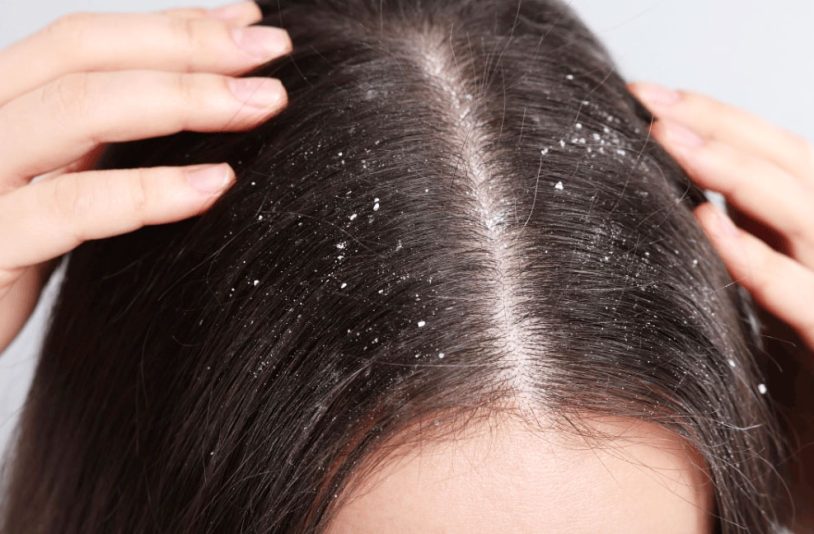
Dealing with dandruff can be really annoying. Those white flakes end up on your clothes, your scalp feels itchy, and it’s frustrating to try so many products without any luck. We’ve all been there!
Getting rid of dandruff isn’t as complicated as it seems. With the right treatments, good hair care habits, and a few changes to your routine, you can get rid of those flakes and enjoy a healthier, itch-free scalp.
This guide will show you how to get rid of dandruff with simple remedies, medicated solutions, and healthy habits. Let’s get started!
Jump to Section [Hide]
What is Dandruff?
Dandruff is a common scalp issue that causes white flakes and itching. It happens when your scalp sheds skin cells too quickly.
Signs and Symptoms
You may notice white or yellow flakes on your hair, shoulders, or clothes. An itchy scalp often comes with these visible flakes.
In severe cases, scratching can cause redness, sores, or even bleeding. Watch for signs like thick patches of skin or discoloration around the hairline and ears. If you see pus, pain, or worsening irritation, it might signal an infection needing medical care.
Persistent dandruff may also point to conditions such as seborrheic dermatitis or psoriasis.
How It Differs from Dry Scalp
Dandruff and dry scalp are not the same. Dandruff causes clumps of skin cells and greasy, visible flakes. Dry scalp usually leads to finer, less oily flakes due to a lack of moisture.
With dandruff, oil or yeast overgrowth often irritates your skin, causing inflammation and itchiness. Dry scalp symptoms usually improve with simple moisturizers or oils. In contrast, dandruff may require medicated shampoos such as those containing zinc pyrithione or selenium sulfide for adequate control.
Common Causes of Dandruff
Dandruff can result from a combination of skin and scalp conditions. Certain factors can make your scalp flaky and itchy. Dig deeper to understand why.
Overgrowth of Malassezia (yeast)
Malassezia is a type of yeast that naturally lives on your skin. But too much of it can cause dandruff. This happens when the yeast feeds on oils from your scalp, leading to irritation and faster skin cell growth.
The result is flaky, white scales that don’t go away easily.
To treat this issue, use antifungal shampoos containing ketoconazole or selenium sulfide. They stop the yeast from spreading and reduce flakes. Without proper treatment, the condition can worsen over time and may recur even after it seems to improve at first.
Oily or Irritated Skin
Overactive oil glands can lead to greasy scaling and yellow-red patches on your scalp. This condition, known as seborrheic dermatitis, often aggravates dandruff.
Excessive oil traps dead skin cells, making flakes more noticeable.
Stress and cold winters tend to increase oil production. If you have oily hair, wash it more often using a gentle dandruff shampoo. Avoid scratching your scalp, as this can worsen inflammation or lead to an infection.
Poor Hygiene or Infrequent Shampooing
Skipping shampooing can cause oil and dead skin to build up. This buildup leads to dandruff and a flaky scalp. Fine or oily hair types may need more frequent washing to prevent this problem.
Using styling products without rinsing thoroughly can also make it worse. Residue left behind irritates the scalp, causing flakes and itching. Washing your hair regularly with a gentle shampoo helps remove debris and effectively controls dandruff.
Sensitivity to Hair Products (Contact Dermatitis)
Some hair products can irritate your scalp. This reaction, called contact dermatitis, may cause itching, burning, and redness. It happens when your skin reacts to certain ingredients, such as fragrances or harsh chemicals, in shampoos or styling products.
If you notice flaking or discomfort after using a product, stop immediately. Switch to gentle shampoos made for sensitive scalps. Look for anti-dandruff options containing zinc pyrithione, but avoid those that irritate.
Always test new products on a small patch of skin before full use to prevent allergic reactions.
Skin Conditions (e.g., Psoriasis, Eczema)
Psoriasis can cause thick, scaly patches on your scalp. About 3% of people have this condition. These plaques may itch, crack, and even bleed. In severe cases, they can grow to be almost 2 cm wide.
Cradle cap in babies is a common form of seborrheic dermatitis that leaves yellow crusts on the scalp.
Eczema, also called atopic dermatitis, often leads to redness and irritation. It makes your skin itchy and flaky. Seborrheic dermatitis is another major trigger for dandruff. This condition creates oily patches with white or yellow scales that peel off easily.
If you notice signs such as pus or severe redness, it might indicate an infection that needs medical care.
Home Remedies That Work
You can try simple, natural home remedies to reduce dandruff. These options are gentle on your scalp and easy to use. Perfect for soothing irritation.
Tea Tree Oil
Tea tree oil can help fight dandruff due to its antifungal and antimicrobial properties. It comes from the Melaleuca alternifolia plant and targets fungi like Malassezia, which often cause flakes.
A 2020 study found that tea tree oil-soaked placental tissue was more effective than prescription antifungals for some fungal infections.
Always dilute tea tree oil with a carrier oil to prevent irritation. Use products containing it or mix a few drops into your shampoo. Stop using it if you feel itching or burning on the scalp.
If you have allergies or sensitive skin, check with a doctor first before trying tea tree treatments.
Coconut Oil
Coconut oil can moisturize your scalp and reduce flaking. It’s a natural choice if you have sensitive skin or dislike medicated dandruff shampoos. With its antimicrobial effects, it may also target yeast overgrowth linked to dandruff, though more research is needed.
Massage the oil into your scalp and leave it for several hours or overnight. This gives it time to hydrate dry areas and restore balance. If you have fine or oily hair, use coconut oil sparingly to avoid buildup.
Its benefits work well for curly or textured hair prone to dryness.
Aloe Vera
Aloe vera comes from the Aloe barbadensis plant. It fights fungi and soothes inflamed or itchy scalps.
Apply aloe vera gel straight from the plant or use store-bought options. Its natural moisture helps relieve dryness, which can worsen dandruff. Many anti-dandruff shampoos include aloe for this reason.
It’s safe for most people and rarely causes allergies.
Apple Cider Vinegar
Apple cider vinegar, made from Malus pumila Mill., may help with dandruff. Its acidity can restore your scalp’s pH balance, possibly reducing flakes and itching. Some people mix it with water and spray it directly on the scalp.
Others add a small amount to their shampoo to make it easier to use.
Be careful while using it. A 2022 study showed diluted ACV caused more skin irritation in some cases. Overuse might lead to burns or worsen sensitivity, especially if you have delicate skin.
Always dilute it before use to avoid harsh effects on your scalp.
Baking Soda
Baking soda works as a gentle exfoliant for your scalp. It removes dead skin cells and flakes, reducing dandruff. Its antifungal properties can also help control yeast like Malassezia, which often causes dandruff.
Studies in 2024 showed baking soda improved dandruff without the side effects of stronger treatments.
To use it, wet your hair, then massage a small amount of baking soda onto your scalp for 1-2 minutes. Rinse thoroughly and follow with shampoo to keep your hair clean. Avoid overusing it since too much can dry out the scalp or cause irritation.
Use sparingly for best results, and skip it if you have broken skin or cuts on your head. Baking soda is an affordable option that fits easily into most routines!
Lemon Juice
Lemon juice can help control dandruff due to its natural acidity. It may balance your scalp’s pH while reducing oiliness, which could slow down the overgrowth of yeast like Malassezia.
Dilute it with water before use to avoid irritation or stinging.
Apply the diluted solution gently onto your scalp and let it sit for a few minutes. Rinse thoroughly afterward to prevent residue buildup. Don’t leave lemon juice on too long, as it might lighten hair or increase sun sensitivity.
Use this remedy sparingly if you have sensitive skin to avoid burning.
Medicated Solutions
Sometimes, home remedies aren’t enough. You might need medicated treatments to effectively treat persistent dandruff.
Antifungal Shampoos (e.g., Ketoconazole)
Antifungal shampoos like Ketoconazole (e.g., Nizoral) target the overgrowth of Malassezia yeast. This type of yeast often causes dandruff. These shampoos work by slowing down fungal growth and reducing scalp irritation.
Pyrithione zinc, found in products like Head & Shoulders, and selenium sulfide (e.g., Selsun Blue) are also effective at controlling dandruff caused by fungi.
Always follow the directions on the shampoo bottle carefully. For best results, leave it on your scalp for at least 5 minutes before rinsing. Alternate between different medicated shampoos to avoid reduced effectiveness over time.
If symptoms persist or worsen, consult a dermatologist for prescription-strength options or further advice.
Salicylic Acid Shampoos
Salicylic acid shampoos can help reduce itching, scaling, and flaking. Products like Neutrogena T/Sal and Denorex Extra Strength work well for dandruff. These shampoos break down dead skin cells on the scalp, reducing visible flakes over time.
A 2018 study with 10 participants found that salicylic acid shampoo reduced itching and irritation.
To use it, massage the shampoo into your scalp and leave it for a few minutes before rinsing. This helps it penetrate better. If you have curly or textured hair, limit usage since it may dry out your strands.
You might need to alternate with other ingredients, such as zinc pyrithione, for the best results.
Zinc Pyrithione and Selenium Sulfide
Zinc with zinc, narrow, find relatively preventable. Pyrith and selenium: those who are sensitive to dandruff; consider levels, use Pyr likely sure has Pyriciting. Don’t try to reduce sulfite Selenium in popular hair-based products, as this can have unintended effects.
Coal Tar Products
Coal tar shampoos, such as Neutrogena T/Gel and DHS Tar, work well for severe dandruff. They reduce itching, scaling, and flaking caused by issues such as seborrhoeic dermatitis or psoriasis.
These products can darken light-colored hair over time and may irritate sensitive scalps if overused.
Limited exposure to sunlight is important while using these shampoos. Coal tar increases scalp sensitivity to UV rays, so apply sunscreen or wear sun-protective clothing when outdoors.
Follow the product directions closely to avoid irritation or allergic reactions. Modern formulas are gentler than older versions but still effective for stubborn dandruff.
Diet and Lifestyle Adjustments
What you eat and how you live can impact your scalp health. Small changes in your diet and habits may help control dandruff long-term.
Increase Omega-3 Fatty Acids
Your scalp requires omega-3 fatty acids to remain healthy. A deficiency in these can lead to dryness, rashes, and worsen dandruff. These nutrients help maintain skin hydration and decrease inflammation that causes flakes.
Include foods abundant in omega-3s, such as salmon, mackerel, flaxseeds, or walnuts, in your diet. If fish or nuts are not regular parts of your meals, consider incorporating omega-3 supplements.
Make sure to consult a doctor before starting new supplements. Including these fats in your diet supports improved scalp protection and better overall health.
Add Probiotics to Your Diet
Eat foods rich in probiotics to help fight dandruff. Yogurt, kefir, and sauerkraut are excellent sources. Probiotics balance your scalp’s microbiome and reduce irritation. A 2017 study showed that regular probiotic intake decreased dandruff severity over 56 days.
Probiotic supplements also work well if food options are limited. They support skin health and boost immunity, too. These benefits may even help prevent other skin issues, such as eczema or nappy rash.
Adding probiotics is a low-risk way to improve your scalp’s condition naturally.
Reduce Sugar and Processed Foods
Cutting back on sugary and processed foods can help control dandruff. High sugar intake increases oil production on your scalp, which can lead to more flakes. Processed snacks, fried foods, and refined carbs may also cause inflammation, worsening skin health.
Eating fewer sweets supports a healthier scalp microbiome. Reducing red meat or nightshade vegetables might help if you have sensitive skin. A balanced diet rich in whole grains, fruits, and greens supports better scalp function.
If unsure where to start, consider consulting a nutritionist for personalized guidance.
Stay Hydrated
Drinking enough water keeps your scalp healthy. Proper hydration helps reduce dryness, flaking, and irritation associated with dandruff. Aim for the right amount of water based on your weight and activity level.
Water also helps flush toxins from your body, which may worsen skin issues like pityriasis capitis. Choose water over sugary or caffeinated drinks to avoid dehydration. Make it a habit to stay hydrated in dry or heated environments for better scalp care.
Manage Stress and Sleep
Stress can worsen dandruff. It triggers seborrheic dermatitis and increases inflammation. Chronic stress may lead to more frequent or severe dandruff flares. Practice deep breathing, yoga, or spend time on hobbies to lower daily stress levels.
Poor sleep affects your skin’s healing process. Sleep deprivation weakens the immune system and worsens irritation. Aim for 7-9 hours of sleep each night to support healthy skin repair.
Simple changes like a bedtime routine or limiting screen time can help you rest better!
Hair Care Tips to Keep Dandruff Away
Take small steps to care for your scalp and reduce flakes.
Shampoo Regularly with the Right Product
Use an anti-dandruff shampoo containing active ingredients such as selenium sulfide, zinc pyrithione, or ketoconazole. These help fight dandruff-causing yeast and reduce flakes. Apply it thoroughly to your scalp, not just your hair.
Leave the lather on for at least five minutes before rinsing for better results.
Wash your hair based on its type and the severity of your dandruff if you have curls or textured hair, shampoo less often to avoid dryness. Alternate between two or three shampoos if one stops working over time.
Once symptoms improve, cut back use but continue weekly washes to keep flakes away.
Avoid Excessive Use of Styling Products
Too many styling products can harm your scalp. Gels, sprays, and creams may build up, making your hair oily and irritated. This buildup can trigger dandruff or worsen it. Sensitive scalps might also develop contact dermatitis from overuse.
Stick to lightweight, non-comedogenic options if you need products. Always wash thoroughly to remove residue after use. Taking breaks from these items lets your scalp recover and keeps medicated shampoos working effectively.
For advice on suitable products, consult a stylist who knows different scalp needs.
Rinse Thoroughly After Washing
Rinse your hair thoroughly after shampooing to remove all residue. Leftover shampoo or conditioner can irritate the scalp and increase dandruff flakes. Use lukewarm water, as hot water can dry out your skin and worsen irritation.
Spend extra time rinsing if you use heavy conditioners, multiple products, or home remedies like baking soda or apple cider vinegar. For curly or coily hair types, this step is even more important to prevent scalp buildup.
Proper rinsing also helps medicated shampoos work better and reduces the risk of contact dermatitis from residual product films.
Use a Gentle, Non-Irritating Shampoo
Choose a shampoo labeled for sensitive skin or scalp. Avoid products with harsh surfactants, such as sulfates, and strong fragrances that can irritate. Sulfate-free formulas work well for color-treated or delicate hair.
Patch-test any new shampoo on a small area before using it on the entire body. If you notice itching, stinging, or burning after use, stop immediately and switch to a different product. You can also alternate gentle shampoos with medicated ones to balance care and treatment effectively.
Don’t Scratch Your Scalp
Scratching your scalp can make dandruff worse. It may cause sores, bleeding, or even infections if the skin breaks. Keep your nails short to reduce damage if you scratch without thinking.
Use soothing treatments, such as aloe vera or cold compresses, to relieve itching. Scratching spreads bacteria and yeast, which can worsen irritation. Severe itching could signal a skin condition, such as psoriasis or eczema, that requires medical care.
Stop the urge before it starts with products designed for sensitive scalps.
When to See a Dermatologist
Sometimes, dandruff can point to a bigger problem. If your scalp feels worse or looks infected, see a dermatologist right away.
Persistent or Worsening Symptoms
If dandruff does not improve after three weeks, see a dermatologist. Over-the-counter shampoos may fail if the cause is deeper, like seborrheic dermatitis or psoriasis. Persistent itching, burning, or redness also needs medical attention.
Bleeding, pus-filled areas, or severe irritation could mean an infection. Stress and poor sleep might worsen your symptoms, too. A doctor can recommend more potent antifungal medications, such as ketoconazole shampoo or selenium sulfide treatments, for stubborn cases.
Do not wait for symptoms to get worse before seeking help!
Signs of Infection or Severe Irritation
Redness, pain, or bleeding on your scalp are warning signs. Pus-filled bumps or pustules may point to an infection. These symptoms should not be ignored.
Stop using the product immediately if it causes itching, burning, or stinging. Seek medical help for rashes or trouble breathing, as they may signal an allergic reaction. If dandruff persists after weeks of treatment, consult a dermatologist for evaluation of conditions like seborrhoeic dermatitis.
Suspected Underlying Skin Conditions
Some skin conditions, such as seborrheic dermatitis or eczema, can worsen dandruff. Seborrheic dermatitis causes red, itchy patches with scaling. It often affects the scalp’s oily areas and can mimic severe dandruff symptoms.
Psoriasis is another possibility. About 3% of people deal with it. This condition creates thick, red spots covered in shiny scales that may look like dandruff flakes. If treatments don’t work after 2 to 3 weeks, or if you notice scalp infections or discoloration, see a dermatologist promptly for proper care.
The Bottom Line
Getting rid of dandruff takes patience and the proper steps. Use effective shampoos or home remedies to treat your scalp. Stay consistent with your hair care routine, and make small diet changes for better results.
If it doesn’t improve, talk to a dermatologist for help. Soon, you’ll feel confident with a flake-free scalp!


